



RIYADH: Driven by the giving-back mindset, the spike in e-commerce during the holy month of Ramadan presents abundant potential for the entrepreneurship environment in Saudi Arabia.
Saudi citizens were expected to spend more in Ramadan 2023 than they did in last year’s holy month, with online purchases at the forefront, despite the global price hikes and economic instability seen across the world.
Startups and small and medium enterprises in the Kingdom have latched on to this trend through transitioning into the online world and adopting tools such as social media to boost sales and expand their reach.
The Ramadan-led expenditure growth is accelerated by the Kingdom’s e-commerce boom, its advantageous business structures, and its consistent efforts towards achieving its Vision 2030 goals.
Ramadan trends
In Ramadan of 2023, consumer shopping intention in the Saudi market will grow 44 percent across all sectors compared to the comparative period in 2022, according to a study conducted by Toluna, a leading provider of market research and consumer insights.
Locals plan to spend 44 percent more on entertainment, 51 percent more on grocery shopping, and 35 percent more on travel.
Consumer shopping intentions also rose 42 percent regarding so-called staycations, 39 percent on food delivery, as well as 31 percent on beauty treatments this year.
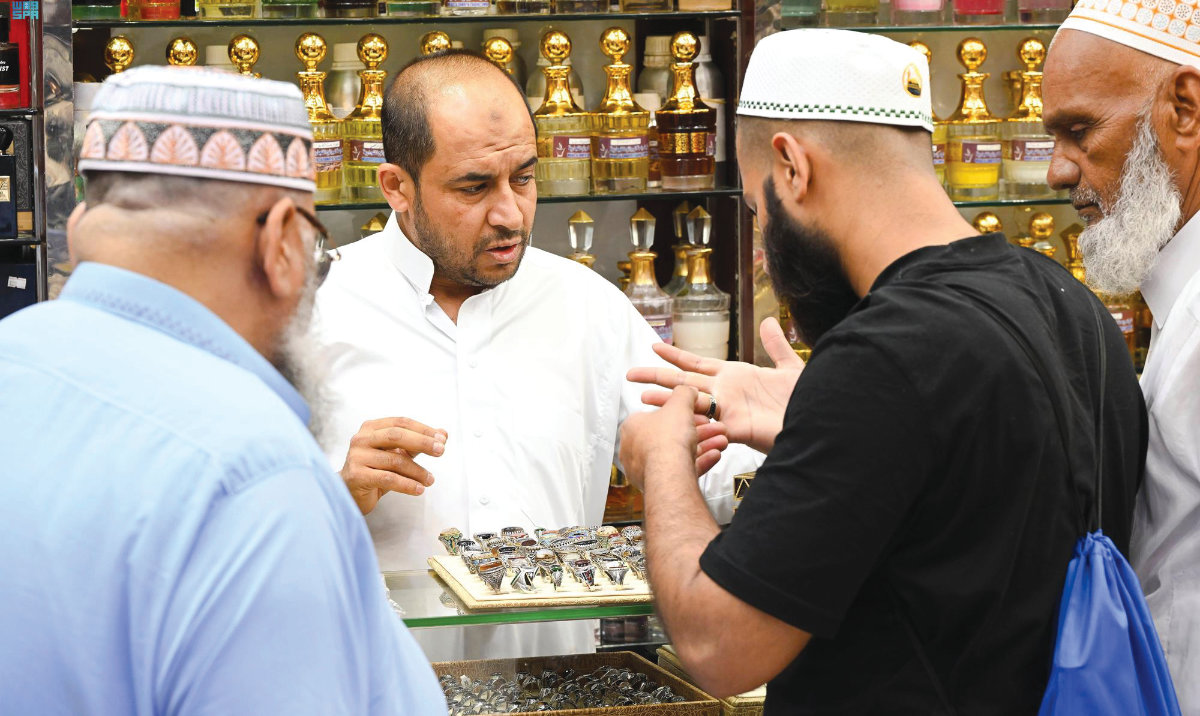
Around 91 percent of the survey participants plan to give Eid presents this year, while 46 percent intend to spend more on these gifts in 2023 than in last year’s holy month.
Almost half of those who participated in the survey ranked sweets, dates, and chocolates as their gifts of choice, with cash coming in second at 42 percent, followed by toys and games with 38 percent.
“We saw a considerable rise in plans to spend, with customers prioritizing purchases connected to food, apparel, and gifts for their loved ones,” said George Akkaoui, enterprise account director at Toluna MEA.
Furthermore, Saudi Arabia’s shoppers display distinct buying behaviors during the holy month, according to a report published by Google in collaboration with the leading market research company Kantar.

Startups and SMEs are looking at these traditional businesses to see which products and services can be more effectively and efficiently offered online.
Jeff Hoffman, Global Entrepreneurship Network chairman
Yearning for a new or up-to-date product or service is among the top shopping triggers during the Ramadan period, showed the report.
In addition, people also tend to want to buy products for personal rewards, as well as for the purpose of diversity and inclusion.
SME’s and startups utilization
To effectively take advantage of the spike in consumer demand, Saudi Arabia’s businesses should integrate the culture of the holy month, make use of the e-commerce shift, and utilize social media platforms.
Assessing and incorporating shoppers’ buying activities during Ramadan into business strategies also strengthens the position of entrepreneurs in the market.
It is vital that brands comprehend the cultural importance of Ramadan and adjust their marketing activities accordingly, noted Akkaoui.

There is a huge opportunity especially for new startups and SMEs focusing on social media e-commerce, as use of social media platforms continues to rise in KSA and more widely in the region.
Mohammed Elhorishy, Taager co-founder and CEO
He stated that discounts, promotions, and content that are aligned with the spirit of the holy month will engage customers on a deeper level and embed brands in the community.
“There is a huge opportunity especially for new startups and SMEs focusing on social media e-commerce, as use of social media platforms continues to rise in KSA and more widely in the region.” Mohammed Elhorishy, co-founder and CEO of Taager, told Arab News.
In addition, the chairman of the Global Entrepreneurship Network, Jeff Hoffman, reported that entrepreneurs and startups increasingly convert numerous traditional and offline businesses into e-commerce platforms and digital stores.
“Startups and SMEs are looking at these traditional businesses to see which products and services can be more effectively and efficiently offered online. They are also using social media and other new digital marketing techniques to expand the reach and customer base of SMEs beyond their traditional reach. These trends will bring rapid growth to SMEs in KSA,” Hoffman told Arab News.
Due to the giving back nature of Ramadan, the month opens the door for new and upcoming businesses to penetrate the market in Saudi Arabia.
Hoffman noted that as people actively search for products and services they can offer to others, it serves as an engine for upcoming startups.
“New products entering the market provide an opportunity for shoppers to surprise loved ones with purchases of items that they don’t already have, or were not previously available, so Ramadan is a good time for new startups to introduce themselves to the Saudi market,” said Hoffman.
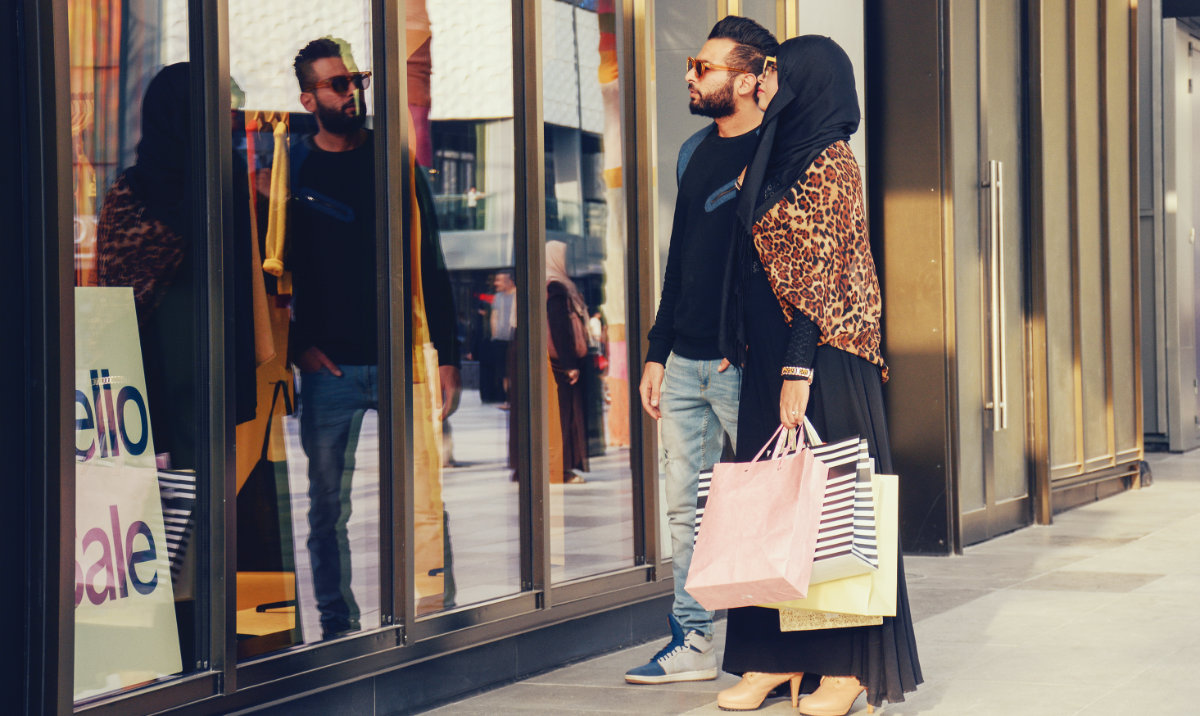
Nevertheless, it is important to consider the type of products sold, adopt suitable messaging, and have robust business solutions to maximize business success during the Holy month, explained Taager’s founder and CEO.
With 30 million social media users in Saudi Arabia, using social media platforms as sales and marketing tools are a big growth opportunity for the Kingdom’s entrepreneurship environment.
“Entrepreneurs in KSA are not yet gaining the full advantage that social media offers as a sales channel, not only to increase customers in the Kingdom and the region, but across MENA and globally as well,” said Hoffman.
Saudi Arabia fosters growth
Since the country’s Vision 2030 plan was launched in 2016, the Kingdom’s economy has transformed the business environment, specifically the SME’s sector, into an engine for growth.
The increase in SMEs in 2022 was monumental, as the number registered in Saudi Arabia hit 892,063 at the end of June — a 25.6 percent increase from the fourth quarter of 2021.
Saudi Arabia’s Small and Medium Enterprises General Authority, known as Monsha’at, offers entrepreneurial platforms such as business incubators, business accelerators, and co-working spaces for SMEs to evolve and thrive in the market.
The authority also facilitates government fee refunds, direct and indirect lending programs for SMEs and fast-growing unicorns.
In its report titled SME Monitor, Monsha’at said Saudi Arabia has successfully narrowed the gender gap in the Kingdom, as 45 percent of SMEs are now headed by women.
According to the report, regulatory reforms over the first half of 2022 have played a crucial role in increasing the number of female entrepreneurs in the country, with most of them leading firms in the food, wholesale and retail, health and professional sectors and supporting service industries.
With an array of new regulations, reforms and financial support, the government laid out a robust structure for entrepreneurs, further easing their chances of success in the market.


