

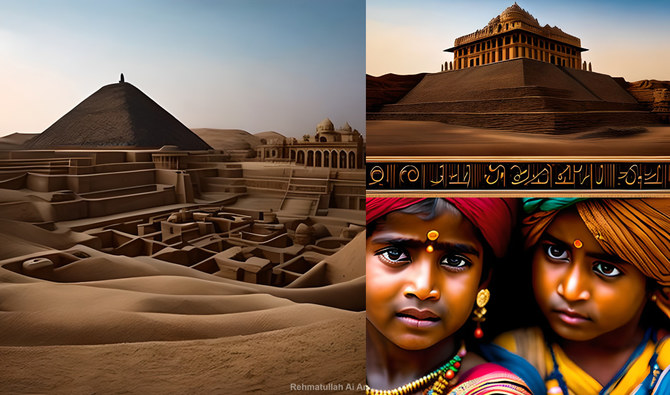

KARACHI: An artist from a remote village in Pakistan’s southern Sindh province, once scolded by his family for buying a computer, has gone viral in recent weeks for using artificial intelligence (AI) to reimagine life in Mohenjo Daro, one of the most striking monuments from the dawn of civilization.
Rehmatullah Mirbahar, 34, a computer operator at the Thatta district health department who used websites and YouTube tutorials to teach himself how to create art using AI tools, said he was surprised but happy that his images of Mohenjo Daro had received such wide appreciation.
The site, populated from 2500-1500 BC but then abandoned and only rediscovered in 1921, is the largest settlement of the ancient Indus Valley Civilization and one of the world’s earliest major cities.
“When I first created these images, I did not upload them because I didn’t think people would like them,” Mirbahar told Arab News, sitting at his computer in a small room at his office building in Makli, not far from the site of an ancient cemetery possessing half a million tombs and graves — one of the largest graveyards in the world and a UNESCO World Heritage site.
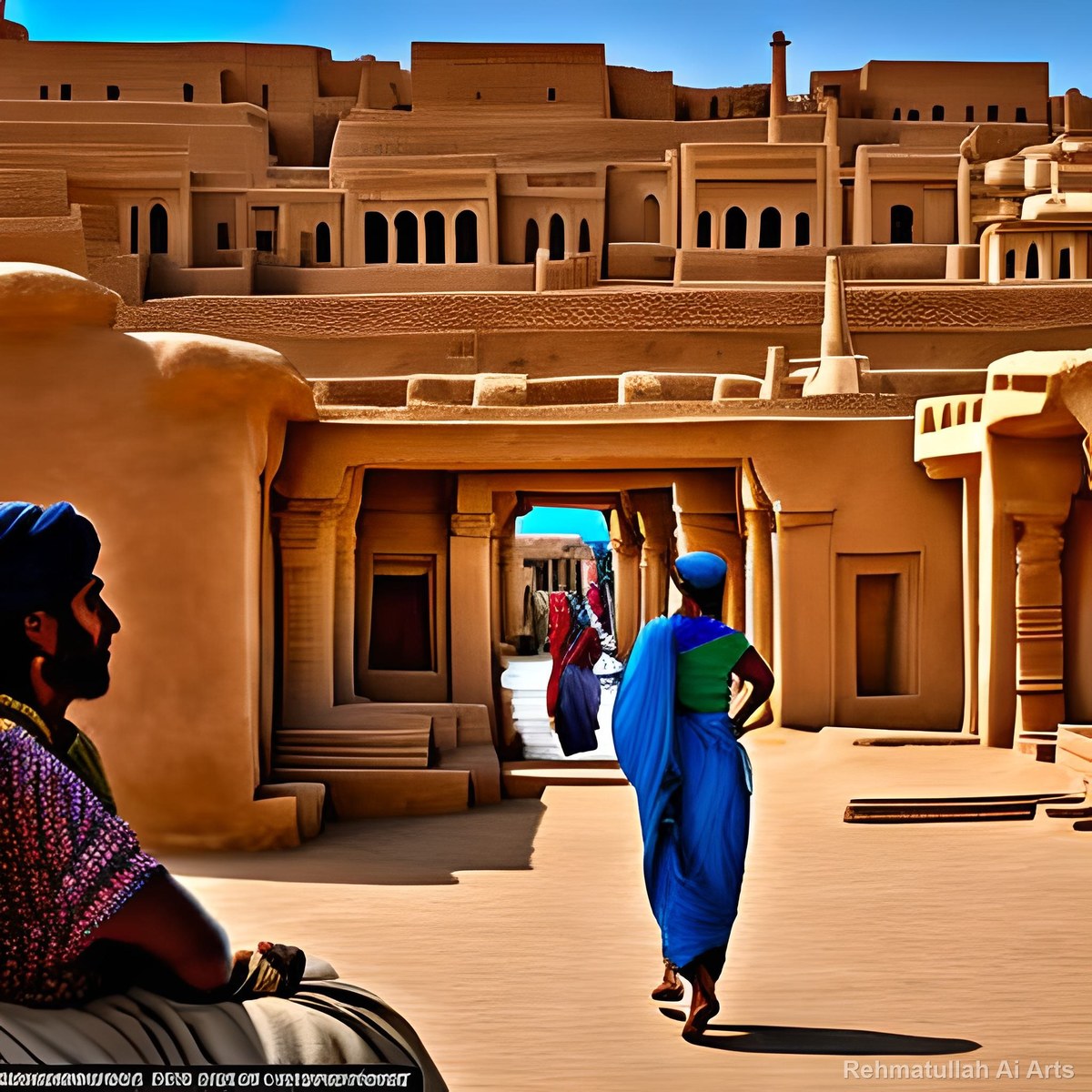
AI art by Rehmatullah Mirbahar reimagines life in the ancient city of Mohenjo Daro. (AN Photo)
“But then I decided to upload them and I can’t believe how they got viral.”
The response, the artist said, had been “great.”
“There have been calls from Germany, calls from the United States, I got calls from India as well.”
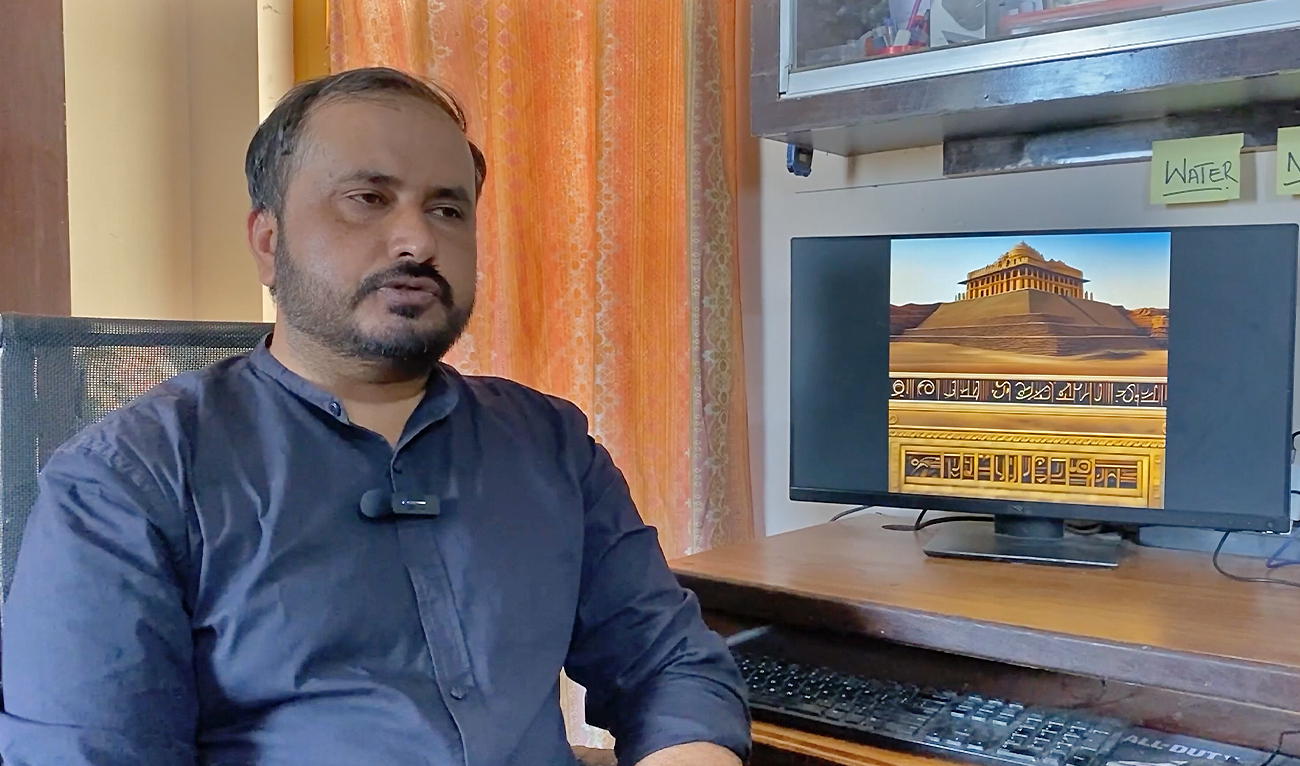
Rehmatullah Mirbahar, a Pakistani artist speaks to Arab News in Thatta, in Pakistan's Sindh province, on April 5, 2023. (AN photo)
Mirbahar, who invested almost three months learning about AI, said the inspiration was to show the world how people lived in the ancient city of Mohenjo Daro and what kind of lifestyle they had.
Artificial intelligence, Mirbahar said, was an ideal choice for the project because it could produce results based on available online data about a place or its people, and where it didn’t match reality, a human mind could intervene.
And Mirbahar had to intervene on numerous occasions, he said, drawing from his knowledge and the photography he had done in the ruins of Mohenjo Daro and other ancient sites in Sindh to learn more about the area’s ancient architecture, culture and religion.
“Whatever came to my mind about Mohenjo Daro, I reimagined [all of that] through AI,” the artist explained.
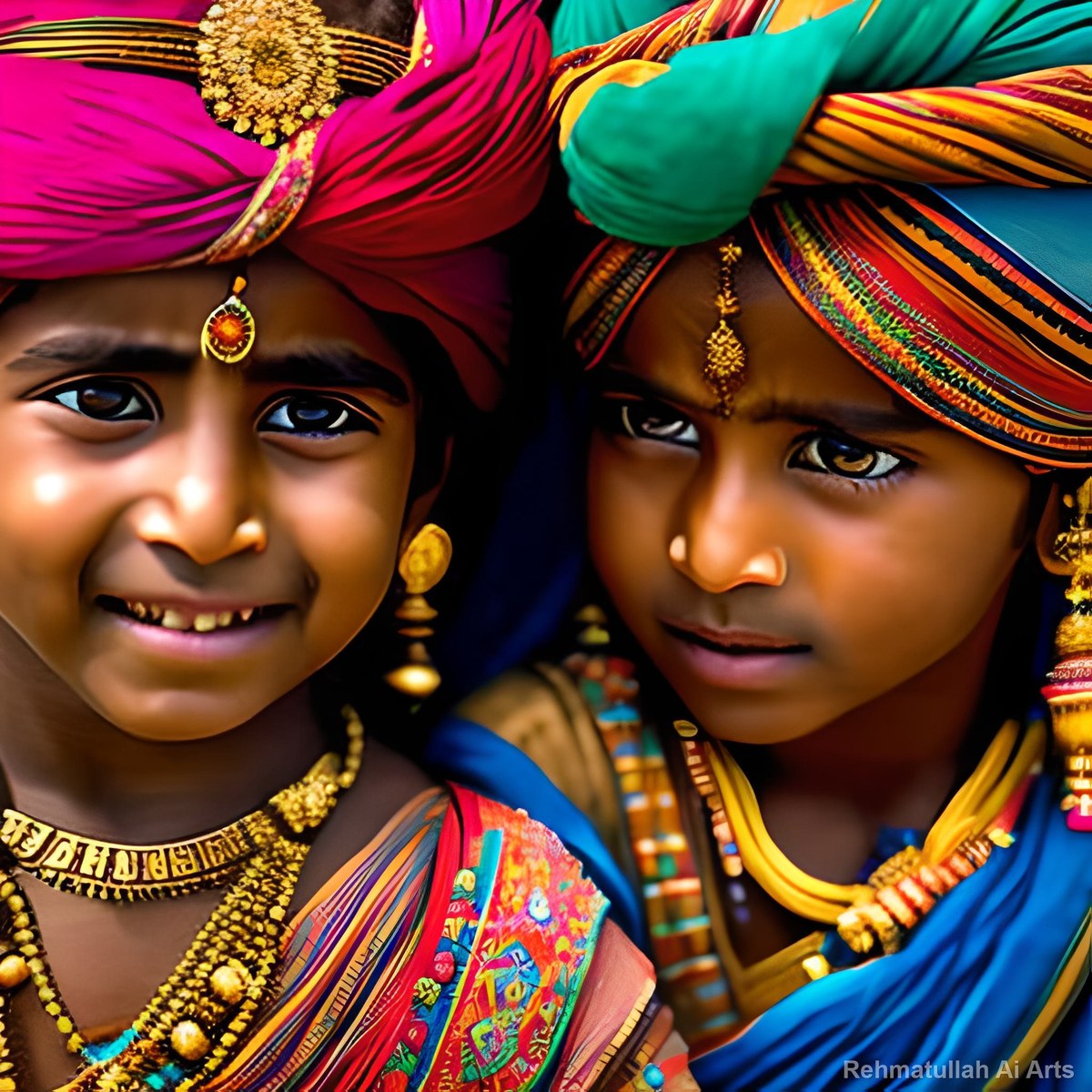
AI art by Rehmatullah Mirbahar reimagines life in the ancient city of Mohenjo Daro. (AN Photo)
“It gives fifty or sixty percent results based on the data it has and [therefore] it needs modification … [We have to look] at how the faces of people appear, we have to fix their faces, have to change their colors, and the rest of the modifications are done with the help of AI.”
Some critics of the final images have pointed to missing elements also.
“Many people said ‘there should be a river that flowed here,’ ‘there should be greenery there,’ and many people criticized it on social media,” Mirbahar said. “So, in future, I will update this to Mohenjo Daro version two. I will fix the mistakes being pointed out in this version.”
Next, Mirbahar wants to visualize life in Banbhore, the ancient seaside city from where historians say the famed Arab general Muhammad Bin Qasim entered Sindh in 8th century AD. He also plans to reimagine life in Makli and its famed necropolis, which spreads over 10 square kilometers and is resting place of some of the most powerful dynasties between the 14th and 18th centuries. Also on his list is Taxila, the capital city of ancient Gandhara, founded around 1000 BCE.
“I am working on civilizations outside Pakistan too,” the creator said. “In the future, all these will [be reimagined with AI].”
Speaking about his future plans, he laughed remembering how he was scolded by his family nearly two decades ago for what they believed was a waste of money buying a computer.
“My family scolded me a lot [saying] what are you doing, you have done wasteful spending,” Mirbahar said, and then added with a smile:
“But whatever I am today is because of this computer, and my family members are also happy.”


