

Egypt’s economic prospects hindered by external financing needs: Morgan Stanley 

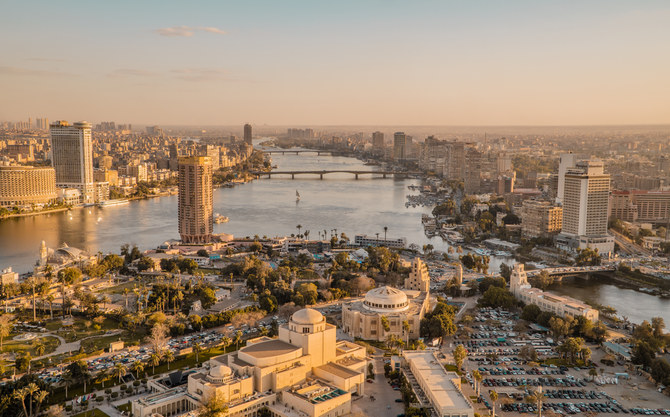
Egypt’s economic struggles were exacerbated by the fallout from Russia’s invasion of Ukraine (Shutterstock)
Short Url
Updated 28 March 2023
Follow

Egypt’s economic prospects hindered by external financing needs: Morgan Stanley 

RIYADH: Egypt’s external financing needs are standing in the way of its economic development and may hinder its medium-term growth, according to a report by Morgan Stanley.

The investment management and financial services firm recommended the North African country implement structural reforms through a large-scale privatization program in order to boost its economy.

The US-based company also noted the shift to a permanently flexible exchange rate system would also help reduce the Egyptian economy’s sensitivity to global shocks.  

“Egypt has favorable prospects for medium-term growth, but the large external financing needs weigh on the macroeconomic outlook,” said the report.  

 Even though the continuous depreciation of the Egyptian pound since 2022 will aid in shrinking the current account deficit, there is limited recovery in its official reserves. 

The report attributed this to the uncertainty around the rate of reform and the tightening of financial conditions in the global economy, which will likely limit foreign direct investment flows. 

Egypt’s economic struggles, exacerbated by the fallout from Russia’s invasion of Ukraine, were brought into focus in December when the International Monetary Fund approved a $3 billion Extended Fund Facility loan.

The Morgan Stanley report said this support from the IMF is “insufficient to close the financing gap and provide the country's foreign exchange needs in the near term”.

Egypt has the potential to sell up to $7 billion worth of assets by 2024 as it seeks to boost foreign exchange liquidity and public finances, as well as narrow its financing gap. 

The country’s financial gap is currently pegged at $23 billion to $24 billion by the end of fiscal year 2023/2024, reported Morgan Stanley  

“This in turn should tame further expectations of FX depreciation and ensure a smooth transition to a durably flexible regime, potentially lowering the bar for portfolio investors and buying time for the authorities to implement the structural reforms to level the playing field and boost FDI inflows further,” added the report.


Saudi Arabia’s foreign reserves rise to a 6-year high of $475bn

Updated 22 February 2026
Follow

Saudi Arabia’s foreign reserves rise to a 6-year high of $475bn

RIYADH: Saudi Arabia’s foreign reserves climbed 3 percent month on month in January to SR1.78 trillion, up SR58.7 billion ($15.6 billion) from December and marking a six-year high.

On an annual basis, the Saudi Central Bank’s net foreign assets rose by 10 percent, equivalent to SR155.8 billion, according to data from the Saudi Central Bank, Argaam reported.

The reserve assets, a crucial indicator of economic stability and external financial strength, comprise several key components.

According to the central bank, also known as SAMA, the Kingdom’s reserves include foreign securities, foreign currency, and bank deposits, as well as its reserve position at the International Monetary Fund, Special Drawing Rights, and monetary gold.

The rise in reserves underscores the strength and liquidity of the Kingdom’s financial position and aligns with Saudi Arabia’s goal of strengthening its financial safety net as it advances economic diversification under Vision 2030.

The value of foreign currency reserves, which represent approximately 95 percent of the total holdings, increased by about 10 percent during January 2026 compared to the same month in 2025, reaching SR1.68 trillion.

The value of the reserve at the IMF increased by 9 percent to reach SR13.1 billion.

Meanwhile, SDRs rose by 5 percent during the period to reach SR80.5 billion.

The Kingdom’s gold reserves remained stable at SR1.62 billion, the same level it has maintained since January 2008.

Saudi Arabia’s foreign reserve assets saw a monthly rise of 5 percent in November, climbing to SR1.74 trillion, according to the Kingdom’s central bank.

Overall, the continued advancement in reserve assets highlights the strength of Saudi Arabia’s fiscal and monetary buffers. These resources support the national currency, help maintain financial system stability, and enhance the country’s ability to navigate global economic volatility.

The sustained accumulation of foreign reserves is a critical pillar of the Kingdom’s economic stability. It directly reinforces investor confidence in the riyal’s peg to the US dollar, a foundational monetary policy, by providing SAMA with ample resources to defend the currency if needed.

Furthermore, this financial buffer enhances the nation’s sovereign credit profile, lowers national borrowing costs, and provides essential fiscal space to navigate global economic volatility while continuing to fund its ambitious Vision 2030 transformation agenda.