

Where are we going today: DOM - a new taste to the noodles

1 / 2
Photo/Supplied
2 / 2
Photo/Supplied
Short Url
Updated 19 March 2023
Follow

Where are we going today: DOM - a new taste to the noodles

  • DOM is the perfect place to order from if you’re looking for something with a side of nostalgia

Virtually everyone in Saudi Arabia grew up loving and eating Indomie instant noodles, a staple in every kitchen that is super easy to make. Each family has a unique method for preparing Indomie, which is the perfect late-night snack or quick fix.

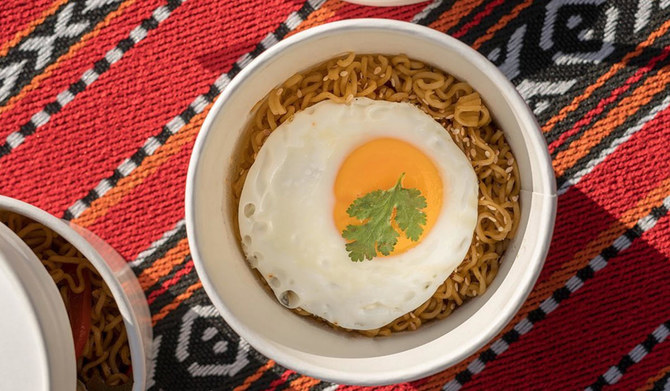
The DOM cloud kitchen has brought a new taste to the noodles with their own sauces and seasonings. The kitchen serves two sauces — the sweet teriyaki and the tom yum. Just like many of us experimented with our noodles, DOM has created new twists to make the experience more enjoyable.

DOM is offering a variety of options, including noodles made with veggies, chicken, beef and shrimp. The brekkie noodles include eggs so it’s a great option for breakfast or if you want a source of protein. Their mouthwatering side dishes include bang bang chicken or shrimp, corn on the cob, and broccoli bites.

DOM is the perfect place to order from if you’re looking for something with a side of nostalgia. The concept is simple and straightforward and a great option for a quick meal at work or for movie nights.

One hearty bowl of DOM costs about SR25 ($6.6). Available from 10 a.m. to 1 a.m., DOM can be ordered through HungerStation, Jahez, and Mrsool in Riyadh.

Indomie is produced by Indofood, the Indonesian instant noodle pioneer and one of the largest instant noodle manufacturers in the world.

For updates and more details follow DOM on Instagram @dom.ksa.


Chef serves up a taste of Spain at Ithra Cultural Days in Saudi Arabia 

Updated 20 January 2026
Follow

Chef serves up a taste of Spain at Ithra Cultural Days in Saudi Arabia 

DHAHRAN: Among the attractions of the Ithra Cultural Days: Spain at the King Abdulaziz Center for World Culture (Ithra), visitors can try a tantalizing selection of Spanish foods — none more renowned than its famous paella. 

Arab News spoke with chef Jose Zafra at the event, which runs until Jan. 31, who flew in from Spain to offer a taste of his homeland to the people of Saudi Arabia. 

A “master rice cook, paella researcher and promoter,” according to his business card, his logo is even designed around the recognizable cooking pan and the phrase “Pasion por la paella,” or “Passion for paella.”

“That's why the pan is round because people get around and eat all together — to share culture and passion and life,” Zafra told Arab News as foodies lined up behind him, eager to try a plateful.

Arab News spoke with chef Jose Zafra at the event, which runs until Jan. 31. (Supplied)

“It’s not just a food. It’s a link, a connection. Paella is the symbol of unity and sharing. And people now are going to try it — authentic Spanish paella in Saudi Arabia.”

The word “paella” comes from the Latin “patella,” meaning pan.

In Spanish, it refers both to the rice dish itself and the pan in which it is cooked.

Paella was introduced to Spain during Moorish rule. It originated in Valencia, on the country’s eastern coast, as a rural peasant dish that was cooked by farm workers over open fires using local ingredients. Over time, the dish’s popularity spread and other versions evolved, for example featuring seafood and meat.

It is different to Saudi Arabia’s kabsa, a communal dish which similarly uses rice and meat. Kabsa is cooked in a deep pot to ensure the rice stays soft and aromatic from the meaty broth, whereas paella uses a wide, shallow pan to fully absorb flavors evenly, often creating a prized crispy layer at the bottom. 

Visitors to Ithra’s Culture Days can enjoy the flavors of Spain made with a sprinkling of local love — true to the origins of the dish.

Find the scoops of Spanish joy near the food truck area and try chicken paella, seafood paella —or both! You will see the signs offering a plate, at SR35 ($9) for chicken and SR40 for seafood, or let your nose lead you there.

Zafra concluded: “The chicken is from here, the seafood is from here — and the passion, well, that is from Spain.”