TUNIS: Tunisia’s new parliament on Monday elected its speaker in its first session, but the main opposition coalition said it would not recognize its legitimacy after an election with a turnout of just 11 percent.
President Kais Saied shut down the previous elected parliament in July 2021, ruling by decree in a move that opposition parties have called a coup.
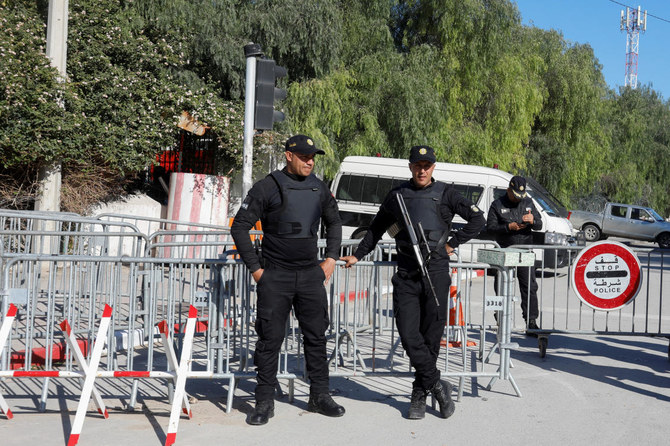
Independent journalists were not allowed to attend the opening session of parliament for the first time since Tunisia’s 2011 revolution. Officials told reporters only state TV and radio and the state news agency were allowed to cover the event.
Ibrahim Bouderbala, the former president of the Bar Association was elected as speaker. Bouderbala is a staunch supporter of President Kais Saied.
The new parliament, elected in polls in December and January, operates under a constitution that Saied wrote last year. It will have very little power compared with the body it replaces.
Saied has said his actions were legal and needed to save Tunisia from years of crisis.
As most parties boycotted the election, and candidates were listed on ballot papers without party affiliation, most of the new parliament members are political independents.
The National Salvation Front, the main opposition coalition, in a statement on Monday it would not recognize the parliament.
Saleh Mbarki, who chaired the opening session, said: “Our duties as people’s representatives is to work in partnership with the executive authority for the unity of the state.”
The National Salvation Front, the main opposition coalition, in a statement on Monday it would not recognize the parliament.
Journalists protested their exclusion from the session, gathering at the entrance to parliament and chanting: “Lawmakers it is a shame. The press is under siege.”
“It is a scandal and a serious violation of press freedom. It harms the image of Tunisia and attacks the citizen’s right to a free and pluralistic media,” Amira Mohamed, vice president of the Journalists Syndicate, told Reuters.


![]()

New Tunisian parliament elects its speaker in its first session
Short Url
https://arab.news/5mvys
New Tunisian parliament elects its speaker in its first session

Latest updates


© 2026 SAUDI RESEARCH & PUBLISHING COMPANY, All Rights Reserved And subject to Terms of Use Agreement.