

ThePlace: Wadi Qanuna Dam of Makkah province

1 / 4
Photo/Saudi Press Agency
2 / 4
Photo/Saudi Press Agency
3 / 4
Photo/Saudi Press Agency
4 / 4
Photo/Saudi Press Agency
Short Url
Updated 18 May 2023
Follow

ThePlace: Wadi Qanuna Dam of Makkah province

  • The site is a popular tourist destination, especially during winter

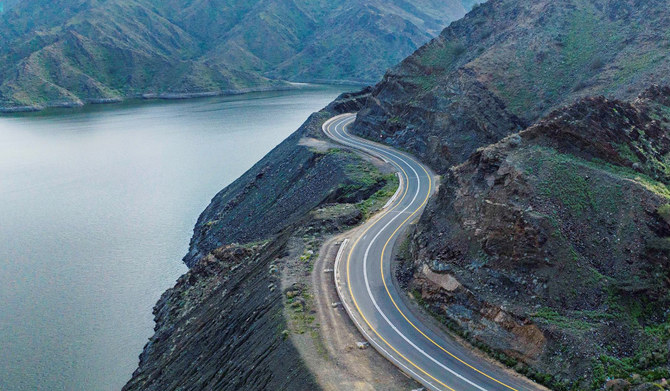
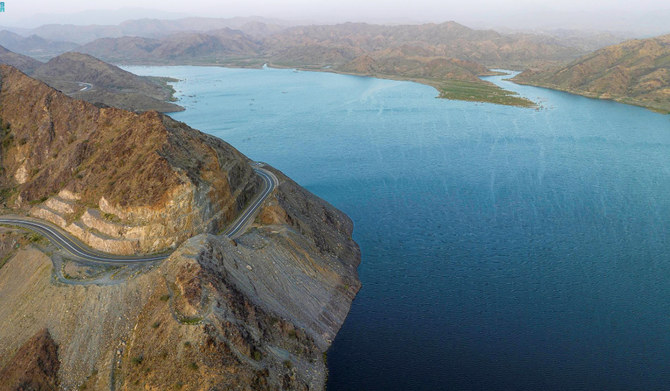
With a capacity of 79.2 million cubic meters of water, the Wadi Qanuna Dam in Makkah province is considered one of the Kingdom’s largest barrages.
The structure, which is 326 meters long and 70 meters high, contains a water purification plant with a daily production capacity of 18,000 cubic meters. Once treated, the water travels to the beneficiary areas.
Located within Qanuna Valley, one of the country’s most beautiful areas, water flows from the dam through the valley all year round, with farms, palm and perennial trees spread along its sides.
The site is a popular tourist destination, especially during winter, and the valley is characterized not only by its running water and natural beauty, but also unique rock formations and archaeological inscriptions, plus bankside Habasha market.
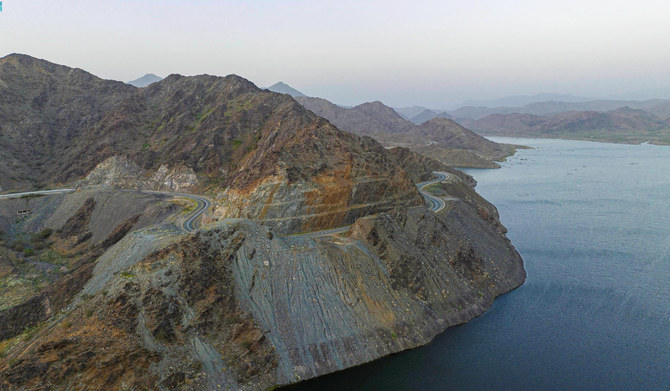
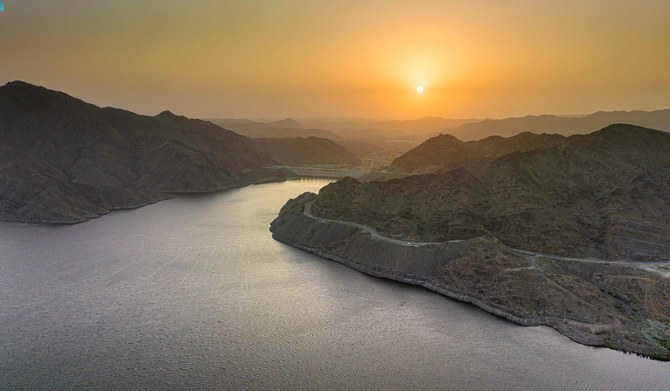
A road runs along the sides of the dam allowing visitors the chance to view the breathtaking scenery.
Al-Ardyat is one of Makkah region’s governorates and is in the far south between Al-Baha and Asir in the Tihama area. It has a rich cultural heritage and a rapidly developing tourism sector.


Wadi Qanuna Dam 


Decoder

Wadi Qanuna Dam

Located in Saudi Arabia's western province of Makkah, Wadi Qanuna Dam is one of the Kingdom’s largest barrages. The site is a popular tourist destination and the surrounding Qanuna Valley is characterized not only by its running water and natural beauty, but also unique rock formations and archaeological inscriptions.


Economic growth and resilience at heart of 2nd AlUla Emerging Market Economies Conference

Updated 03 February 2026
Follow

Economic growth and resilience at heart of 2nd AlUla Emerging Market Economies Conference

  • Event on Feb. 8 and 9 will bring together ministers, governors of central banks, policymakers, economic experts and international financial institutions
  • Emerging-market economies a ‘pivotal element’ in global economic system due to effect they have on growth and stability, says Saudi Finance Minister Mohammed Al-Jadaan

RIYADH: The second annual AlUla Conference for Emerging Market Economies, which Saudi Arabia will host next week, offers a platform to exchange views on global developments and discuss policies and reforms that support inclusive growth and strengthen economic resilience, the Kingdom’s finance minister said.

The event on Feb. 8 and 9 will bring together finance ministers, governors of central banks and policymakers, alongside economic experts and representatives of international financial institutions.

Organized by the Saudi Ministry of Finance in partnership with the International Monetary Fund, it takes place as emerging-market economies face mounting challenges amid rapid global economic change.

Finance Minister Mohammed Al-Jadaan said the decision to host the conference reflects Saudi Arabia’s ongoing commitment to efforts that support global financial and economic stability, and highlights the growing influence of emerging economies on worldwide growth.

Emerging-market economies represent a “pivotal element” in the global economic system due to the direct impact they have on economic growth and stability, he added.

“The AlUla Conference for Emerging Market Economies provides a unique platform for exchanging views on global economic developments, and discussing policies and reforms that will support inclusive growth and enhance economic resilience, in light of broader international cooperation that contributes to confronting common challenges,” Al-Jadaan said.

Kristalina Georgieva, managing director of the IMF, said the event would help emerging economies deal with growing uncertainty driven by technological change, demographic shifts and geopolitical tensions.

“The AlUla conference provides a vital platform for emerging economies to discuss how they can navigate the risks and embrace the opportunities ahead,” she said.

“In these times of sweeping transformations in the global economy, policymakers face a more challenging and uncertain environment. Countries should work together to strengthen resilience through sound macroeconomic and financial policies.”