- Sania Alam specializes in super learning through which people can memorize within hours information contained in hundreds of pages
- Alam officially launched her super learning training courses in Pakistan in 2019 and has since trained around 10,000 people
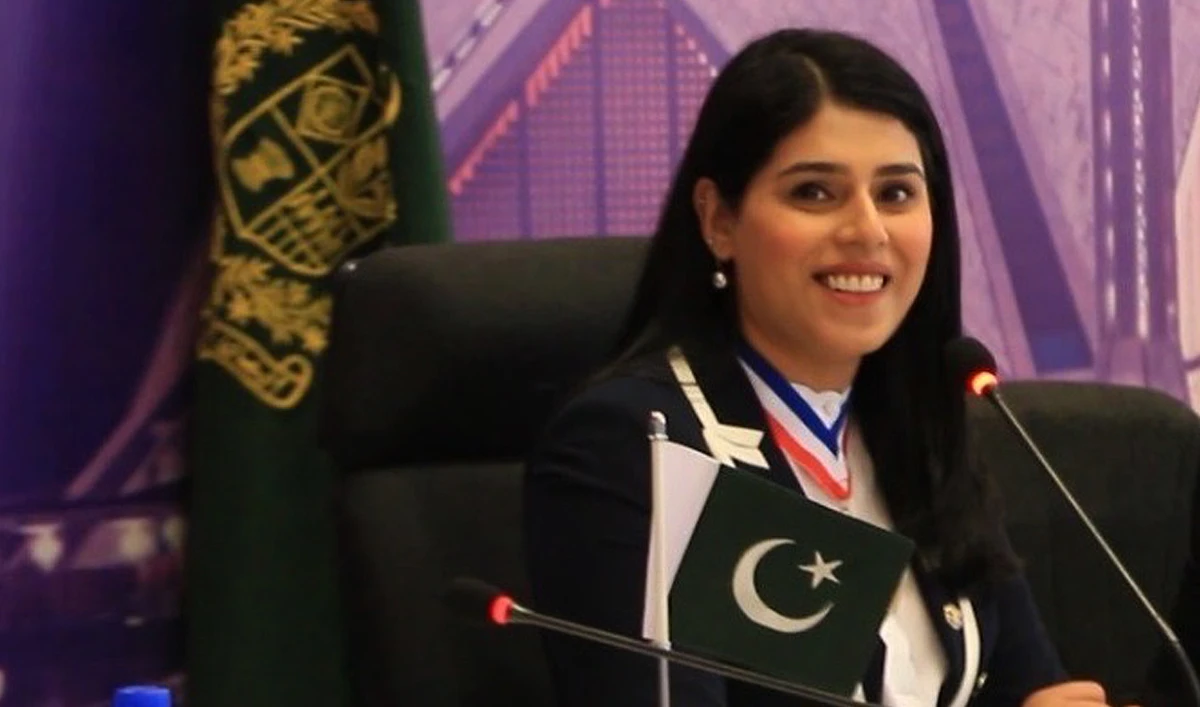
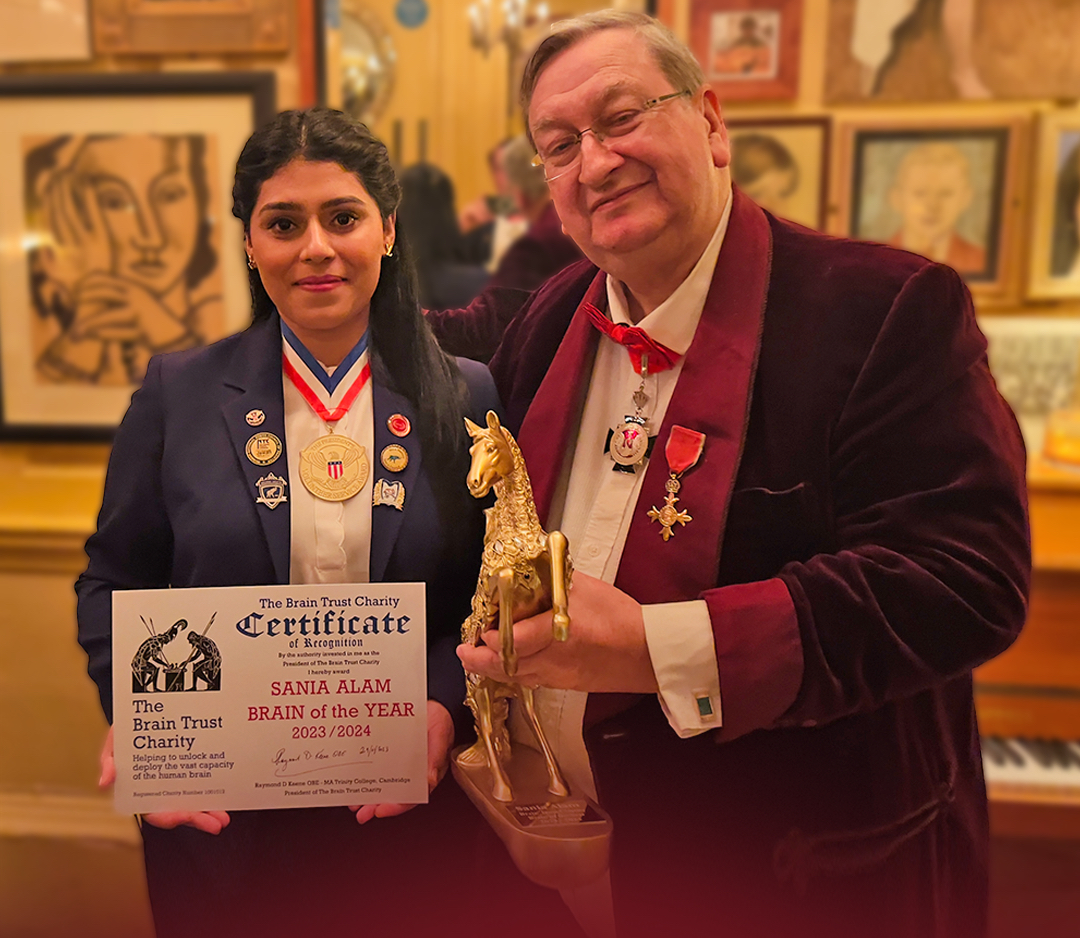
ISLAMABAD: A Pakistani businesswoman and corporate trainer who bagged the prestigious “Brain of the Year” award earlier this month has said she has trained around 10,000 Pakistanis in “super learning” tactics since 2019 and is designing an education system for Pakistan based primarily on teaching methods that speed up learning.
In January, Sania Alam was awarded the “Brain of the Year” award by the UK organization, Brain Trust, which recognizes exceptional thinkers and achievers annually. The Trust was founded in 1990 by English author Tony Buzan who is credited with founding mind mapping theory, which has a long history in learning, brainstorming, memory, visual thinking, and problem solving by educators, engineers and psychologists.
Alam is a licensed super learning trainer whose stated aim is to improve global mental literacy and advance education systems in Pakistan.
“In regards to Pakistan, I have envisioned it becoming one of the most literate countries in the world and to achieve this goal, we established super-learning courses within the country,” she said in an interview with Arab News.
Super learning tactics tap into the brain’s potential for faster learning and can help people memorize and grasp new concepts and gain knowledge contained in hundreds of pages in just a few hours.
“Since 2019 when we officially launched our courses in Pakistan, we have trained around 10,000 individuals in super-learning courses in different organizations and institutions,” Alam said.
According to her LinkedIn profile, Alam is one of only four Senior Licensed Instructors of super learning in the world, and has helped thousands of professionals, large corporations, and students utilize their learning potential.
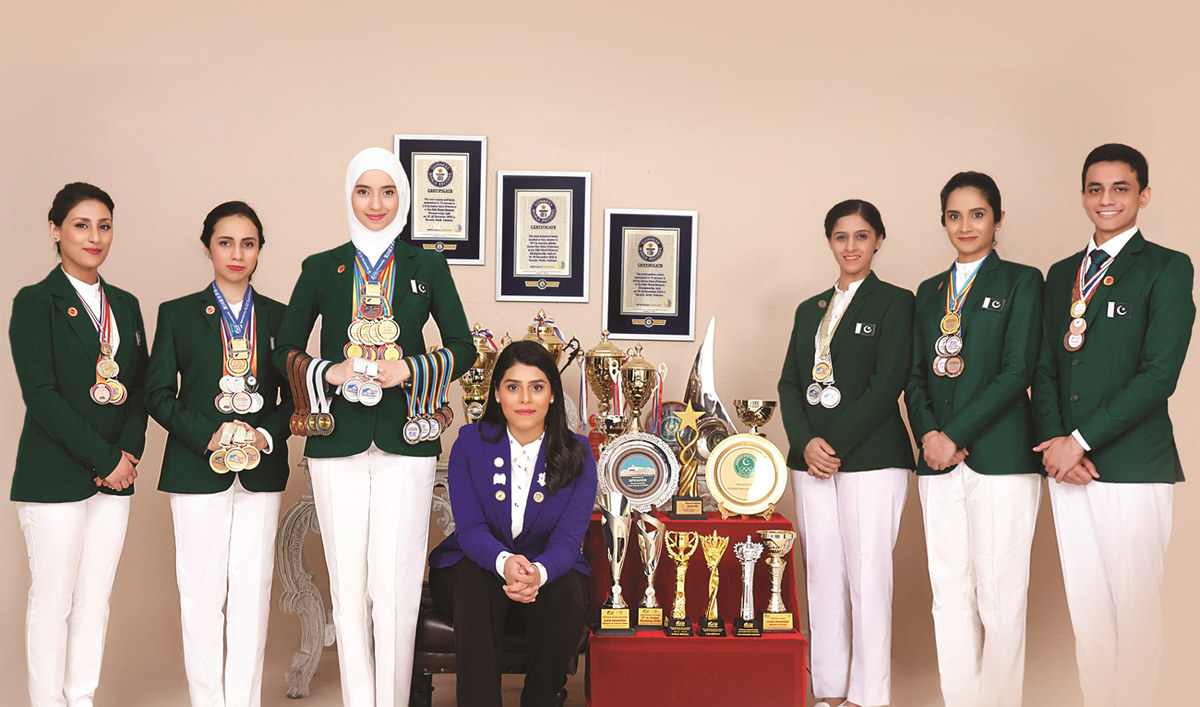
Alam says her trainees have won world memory, speed reading, and mind mapping championships, and also four Guinness World Records.
“As an advocate for science-backed training programs, I have designed courses for memory enhancement, speed reading, and mind mapping,” Alam said. “My primary goal is to inspire and motivate the younger generation through my work and services.”
Alam said her main focus is to find innovative and accessible methods to improve mental capabilities which facilitate learning and also lead to improved performance in education and business activities within a short period of time.
Super learning programs, Alam said, not only boost information processing abilities, accelerate speed learning and increase productivity, but also make learning more efficient and time-effective.
She said mind mapping and other related learning techniques were new for Pakistan currently but she believed they would become essential components in the country’s education system in the future.
Many institutions, she said, were already exploring these techniques.
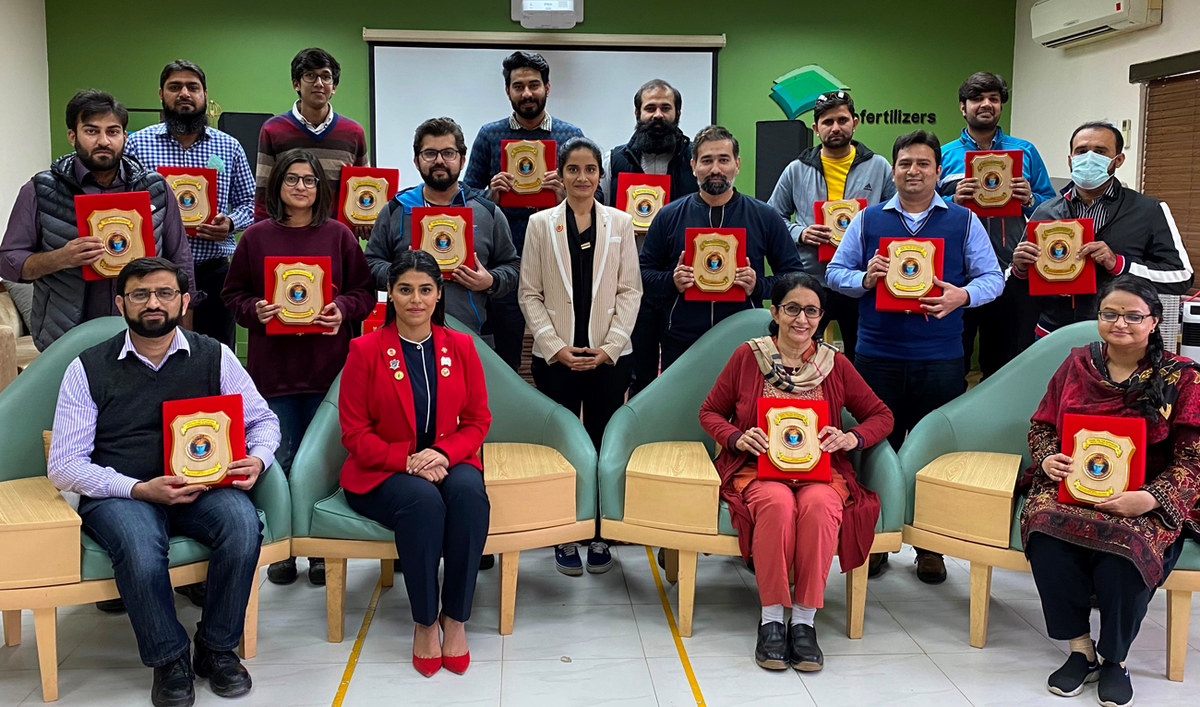
“I have already trained professionals in the Pakistani Ministry of Science and Technology, Engro Corporation’s management, and over 400 senior officers of the Pakistan Army at Command and Staff College Quetta,” Alam said.
The trainer has also bagged several prestigious awards, including the 2022 Youth Excellence Award from Prime Minister Shehbaz Sharif, and the Lifetime Achievement Award from US President Joe Biden in 2021. She was also named to the Pakistani Foreign Minister’s Honors List in 2021.
Now, with the “Brain of the Year” award, Alam joins the ranks of luminaries such as Professor Stephen Hawking, astronaut Senator John Glenn, former world chess champion Garry Kasparov, and Eugene Roddenberry, the inventor of Star Trek. The first Pakistani to win the award was author and leadership coach Arif Anis in 2020.
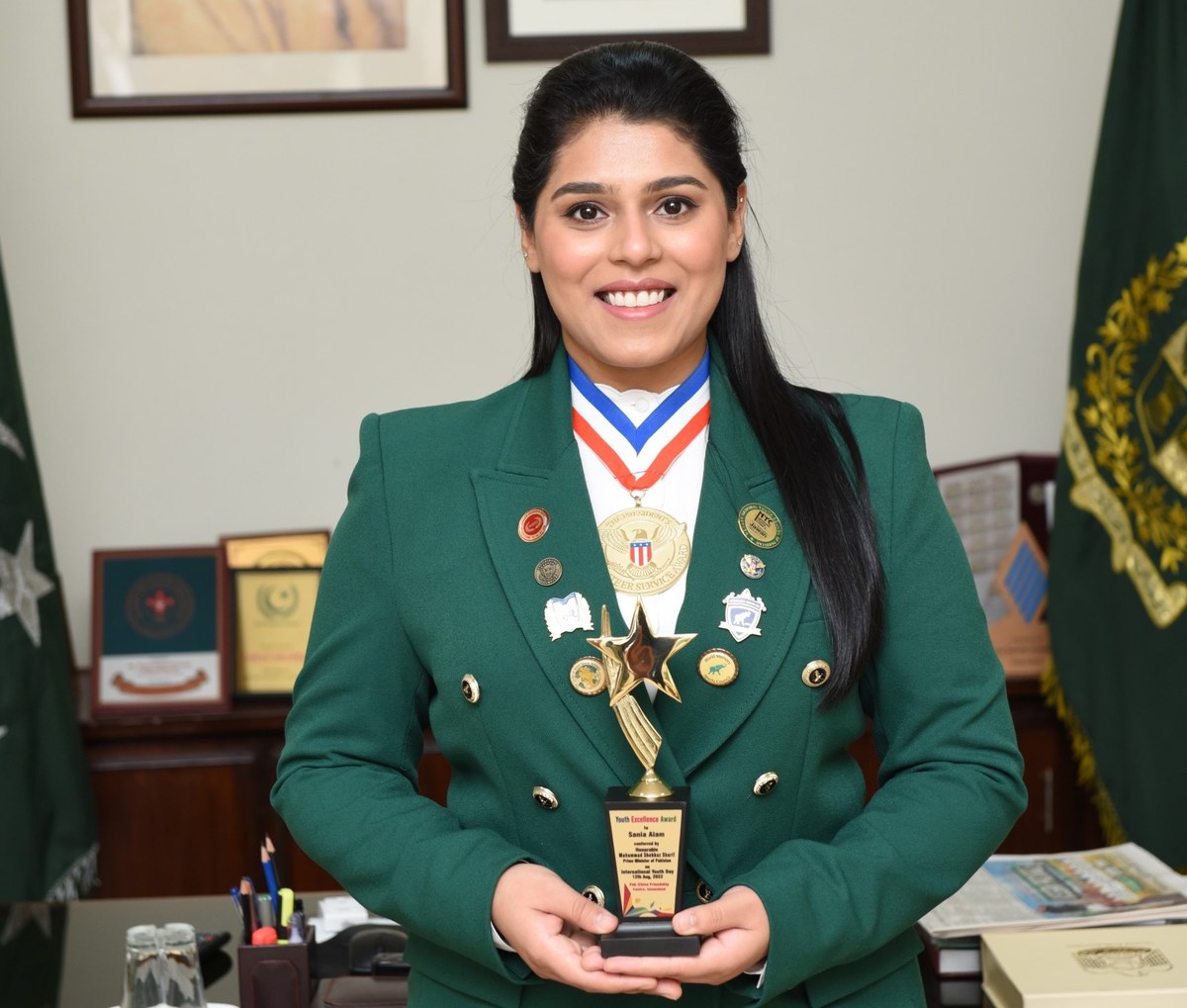
“It is indeed a great honor and privilege to be included in the legendary names who have received this award,” Alam said.
But her journey to success has not been an easy one. Alam recalled how her family, which had moved to the United States at the time, faced hate crimes after the September 11, 2001 attacks.
“My father became a victim of hate crimes against Muslims,” she said. “He was shot and stabbed at his workplace, leaving our family in a severe financial crisis.”
It was during this difficult time that a non-profit organization, Express Care, helped the family get back on its feet. Later on, a teacher and mentor convinced Alam’s family to let her seek homeschooling. The teacher also taught her family super learning techniques to apply in studies.
“Thanks to these techniques, I was able to complete my four-year high school education in just one year at the age of 14,” Alam said, adding that she then made it her mission to introduce the same techniques to others around the world.
“In the near future what we aim to do is have our own education system in Pakistan which we are designing and will launch soon after its completion in which super-learning would be the prime foundation,” Alam said.
“We are basically designing an education system in which the 12 years of education can be completed in around three years using super-learning.”