

Saudi Arabia and UK sign agreement to modernize aviation safety  

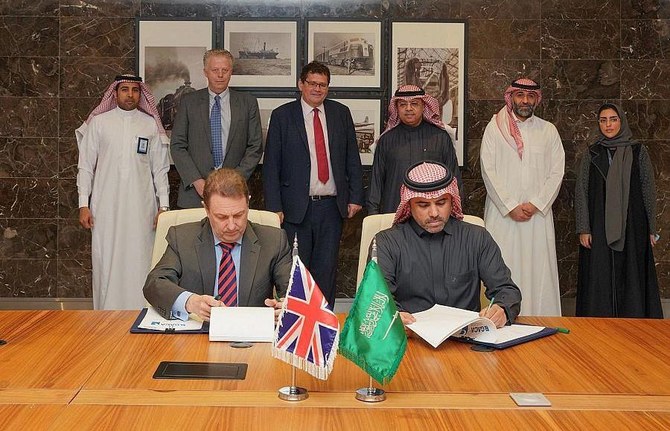
The agreement was signed by GACA Executive Vice President of Safety and Aviation Standards Captain Sulaiman Almuhaimedi and the UK’s Civil Aviation Authority Director of the International Group Ben Alcott. (Supplied)
Short Url
Updated 15 February 2023
Follow

Saudi Arabia and UK sign agreement to modernize aviation safety  

RIYADH: Saudi Arabia’s General Authority of Civil Aviation has signed an agreement with its UK counterpart to strengthen ties in the area of aviation safety while encouraging fresh investment in the Kingdom. 

Aimed at improving the quality of safety management of all aviation operators in Saudi Arabia, the deal will help GACA keep up to date with the latest developments in the sector.

The agreement will also help create an attractive environment for investors, while facilitating the expected economic growth in the sector as the Kingdom aims to diversify its revenue sources, reported the Saudi Press Agency.

The SPA report added that this deal underlines GACA’s keenness to ensure the transfer of knowledge and train national professionals in the field, in line with the objectives of the next stage, which will witness the introduction of new air transport types and with the Saudi Vision 2030.

The agreement was signed by GACA Executive Vice President of Safety and Aviation Standards Captain Sulaiman Almuhaimedi and the UK’s Civil Aviation Authority Director of the International Group Ben Alcott.

The signing ceremony was also attended by GACA President Abdulaziz Al-Duailej and UK Ambassador to Saudi Arabia Neil Crompton. 

The deal with the UK falls within the targets of Saudi Arabia’s national civil aviation strategy, which aims at building international partnerships and signing bilateral agreements.  

As part of the strategy, Saudi Arabia aims to enhance its air connectivity to 250 destinations around the world, transporting 330 million passengers by 2030. It also intends to serve as a global logistics hub by doubling its air cargo capacity to 4.5 million tons by the end of this decade.  


Kingdom aims to localize 340k jobs with new phase of ‘Nitaqat’ Saudization program

Updated 5 sec ago
Follow

Kingdom aims to localize 340k jobs with new phase of ‘Nitaqat’ Saudization program

RIYADH: More than 340,000 additional jobs are set to be localized for Saudi nationals as part of a new three-year phase of the Kingdom’s enhanced “Nitaqat” program.

According to a press release from the Ministry of Human Resources and Social Development, the initiative aims to reinforce labor market sustainability and advance the goals of the Kingdom’s Vision 2030 economic transformation agenda. 

This new phase builds upon the program’s successes since its initial revamp in 2021.

Minister of Human Resources and Social Development Ahmed bin Sulaiman Al-Rajhi said: “The experience of the previous stages has confirmed the ability of the Saudi citizen to succeed in various professions, which formed a solid foundation for launching a new phase of the program.”

This comes as the Kingdom mandated a 60 percent localization rate for key marketing and sales professions. The decisions, announced on Jan. 19, will be enforced after a three-month grace period, giving companies time to comply.

Backed by incentives for compliant firms and based on labor market studies, this undertaking aims to create quality, stable job opportunities for Saudi nationals.

Al-Rajhi emphasized that the new “Nitaqat” program stage was designed to balance the drive for increased localization with the continued growth and competitiveness of the private sector. 

He added: “This launch reflects our ongoing commitment to empowering national competencies and enhancing their effective participation in the labor market.”

For his part, the Vice Minister of Human Resources and Social Development for Labor, Abdullah Abuthnain, explained that the ministry conducted comprehensive analytical studies of all sectors and establishments. These studies informed the proposal of realistic, tailored localization targets that consider the nature of businesses and market conditions, supported by a proven pool of qualified national talent.

“This step will contribute to enhancing job stability, raising productivity, and achieving genuine sustainability for the labor market,” Abuthnain added.

The ministry affirmed that the new “Nitaqat” phase will enhance citizen participation in the workforce, create quality job opportunities, and achieve a sustainable balance between supply and demand. This initiative is projected to support the growth of the national economy and bolster long-term private-sector confidence.