


LONDON: The UK is unable to tell thousands of asylum seekers in temporary accommodation whether or not their applications have been approved or rejected because of rules branded “totally ludicrous” by a senior Labour MP.
A report by The Independent revealed UK Home Office rules prevent asylum seekers in hotels from receiving information on the outcome of their cases “until they have been moved from initial accommodation.”
The UK is facing a backlog in processing cases, with more than 140,000 people awaiting decisions. Home Secretary Suella Braverman has blamed delays on an increase in migrants crossing the English Channel illegally in small boats last year combined with “low productivity” in the civil service.
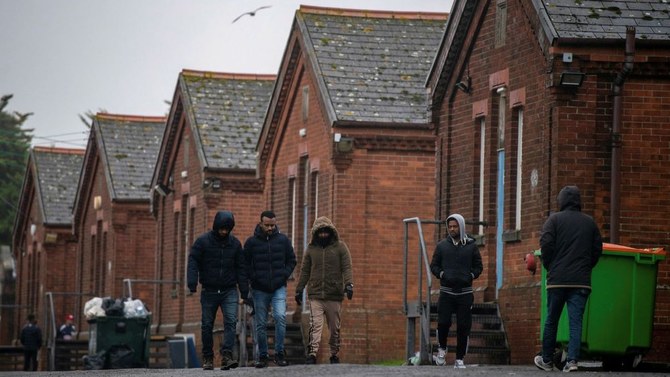
It has led to private landlords and companies being asked to provide shelter, with hotels and holiday parks repurposed to house people from as far afield as Syria and Afghanistan, with the two countries making up the largest asylum seeker cohorts.
Asylum seekers are meant to spend just a month in the shelters, but there are about 45,000 people who have yet to have been moved to more permanent locations.
Some have been waiting for well over a year for an outcome despite approval rates at nearly 98 percent for Afghans and Syrians, with asylum seekers left unable to work until their applications are approved.
They are forced to rely on the state for shelter and food, receiving additional support of as little as £8 ($9.85) a week, costing the UK taxpayer about £7 million every day.
Yvette Cooper, Labour’s shadow home secretary, told The Independent: “This is just increasing the costs to the taxpayer, too, as thousands of people are stuck in hotels, because the Home Office can’t get a grip.”
Dame Diana Johnson, chair of the House of Commons’ Home Affairs Select Committee, told the newspaper: “The government’s slow asylum processes have left some individuals waiting years for their claim to be decided. The result is an enormous backlog of asylum claims, a huge hotel bill for the public purse and people left in limbo — unable to move forward with their lives.
“The prime minister (Rishi Sunak) has publicly pledged to clear the asylum backlog by the end of this year. It is concerning to hear of yet another potential blockage in Home Office processes undermining this promise. We need urgent clarification from the government on this.”
Enver Solomon, CEO of the Refugee Council, told The Independent: “The Home Office’s failure to communicate its decisions on people’s asylum claims in a timely manner is deeply damaging to men, women and children who have lost everything.
“Refugees who are stuck in limbo in our asylum system have gone through extremely traumatic experiences and all they want is to feel safe and be able to integrate in the UK.”


