

Over 220 million people out of power in Pakistan after national grid malfunction

A man starts a generator outside his shop during a country-wide power breakdown in Karachi, Pakistan on January 23, 2023. (REUTERS)
Short Url
Updated 23 January 2023
Follow

Over 220 million people out of power in Pakistan after national grid malfunction

  • Officials say they have started system maintenance work which is ‘progressing rapidly’
  • The country witnessed a similar nationwide outage due to drop in frequency two years ago

ISLAMABAD: Pakistan experienced a massive power breakdown on Monday morning, confirmed the energy ministry, as the national grid malfunctioned after a sudden drop in frequency.

This is not the first time the country is witnessing a nationwide electricity outage. A similar situation also emerged two years ago in January when there was a countrywide blackout which was attributed to the same technical problem by former power minister Omar Ayub Khan.

Pakistan’s southern region also plunged into darkness last October, and it took about a day for the authorities to restore electricity to major urban centers like Karachi, Hyderabad, Quetta and other places in Sindh and Balochistan province.

“According to initial reports, the system frequency of the National Grid went down at 7:34 this morning, causing a widespread breakdown in the power system,” the energy ministry said in a Twitter post, adding that system maintenance work had already begun and was “progressing rapidly.”

The ministry did not specify the reason behind the plunge in the frequency.
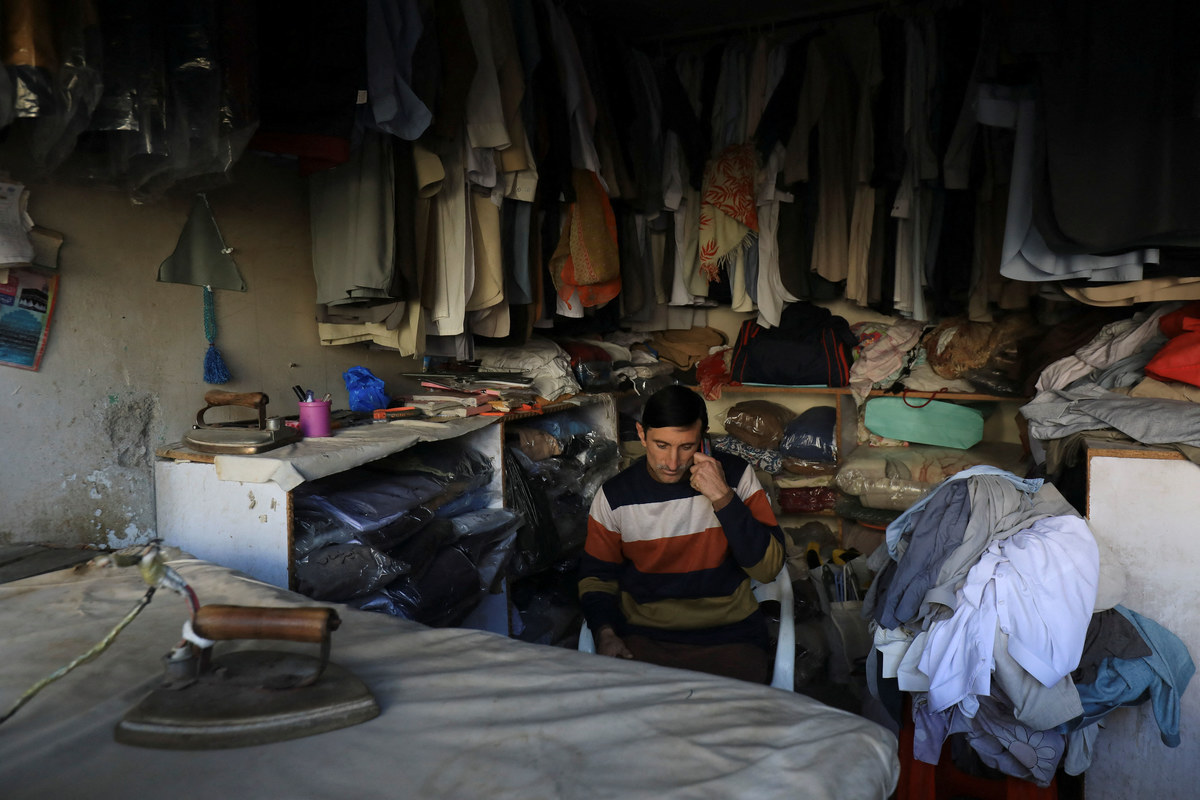


A laundryman uses cell phone as he sits at his shop during country-wide power breakdown in Peshawar, Pakistan January 23, 2023. (REUTERS)

Meanwhile, the chief executive of Lahore Electric Supply Company (LESCO), Chaudhry Amin, said in a statement the authorities had started restoring electricity from the federal capital, Islamabad, and would take care of Lahore and its adjoining areas soon.

He confirmed that all LESCO grid stations had tripped, “depriving industrial, commercial and domestic consumers of electricity.”
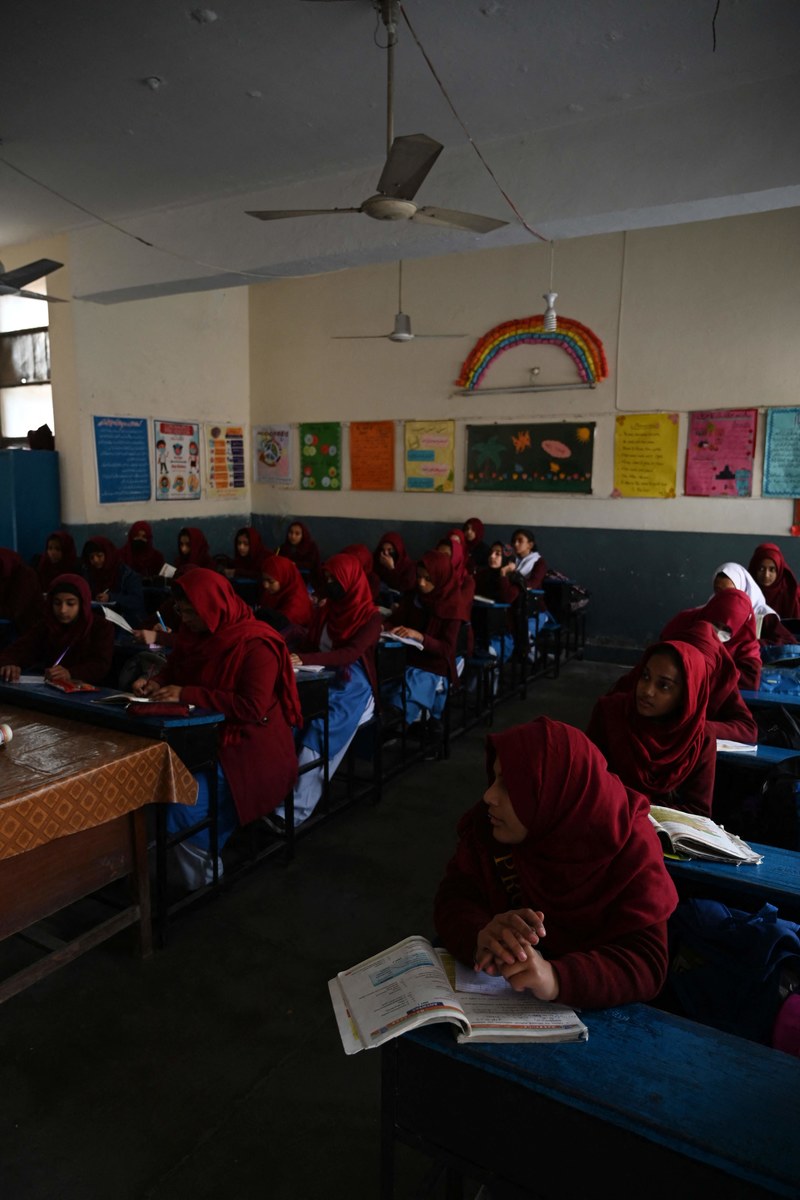


Students attend a class at a government high secondary school during a nationwide power outage in Rawalpindi on January 23, 2023. A massive power breakdown in Pakistan on January 23 affected most of the country's more than 220 million people, including in the mega cities of Karachi and Lahore. (AFP)

A K-Electric spokesperson, Imran Rana, said on Twitter there were “multiple outages” in different parts of Karachi and the power generation company was “investigating the issue.”


ADB approves $381 million for climate-resilient agriculture, social services in Punjab

Updated 8 sec ago
Follow

ADB approves $381 million for climate-resilient agriculture, social services in Punjab

  • Support will upgrade Punjab’s education and nursing systems, improving learning outcomes and health care capacity
  • Package includes $124 million for agriculture, $107 million for STEM schooling and $150 million for nursing reforms

KARACHI: The Asian Development Bank (ADB) said on Saturday it approved $381 million in financing for Pakistan’s Punjab province to modernize agriculture and strengthen education and health services, with a major focus on building climate resilience after monsoon floods this year caused widespread destruction across the country’s most populous province.

The package includes concessional loans and grants for farm mechanization, STEM education, and nursing sector reforms.

ADB said the investments are intended to help Punjab, home to more than half of Pakistan’s population and a key contributor to its economy, recover from climate shocks and transition toward more sustainable and resilient development.

“Investing in education, health, and agricultural mechanization will play a transformative role in driving the growth of Punjab, a vital pillar of Pakistan’s economy,” said ADB Country Director for Pakistan Emma Fan. “These strategic investments will modernize agriculture, enhance human capital, and significantly improve livelihoods for millions of people across Punjab.”

The bank approved $120 million in concessional loans and a $4 million grant for the Punjab Climate-Resilient and Low-Carbon Agriculture Mechanization Project, which will support 220,000 rural farm households.

The program aims to reduce climate vulnerability by shifting farmers toward modern, low-emission machinery, provide alternative livelihoods for agricultural workers and train 15,000 women in new skills. It will also introduce a financing model to help small farmers access advanced equipment.

Punjab produces most of Pakistan’s wheat, rice, and maize but still relies on outdated machinery, contributing to grain losses and routine burning of crop residues, a major source of air pollution, said ADB.

It noted the new project will promote modern mechanization, including rice harvesters, to address these issues.

ADB also approved $107 million for the Responsive, Ready, and Resilient STEM Secondary Education in Punjab Program, including a $7 million grant from the Asian Development Fund.

The results-based program aims to modernize secondary schooling by expanding inclusive STEM education, improving access and quality across the province.

A further $150 million concessional loan was approved for the Punjab Nursing and Health Workforce Reform Program, which will upgrade nursing curricula, develop disaster-resilient training facilities, strengthen workforce governance, and introduce digital human-resource systems.

The program seeks to expand the pool of qualified nurses to strengthen health service delivery and meet rising national and global demand.

Key components include the establishment of three centers of excellence in Lahore, Multan and Rawalpindi, equipped with simulation labs, digital learning platforms, and gender-responsive hostels.

ADB said it remains committed to supporting climate-resilient and inclusive development across Asia and the Pacific through innovative financing tools and partnerships.