






Saudi authorities prepare for more rain, urge caution

1 / 28
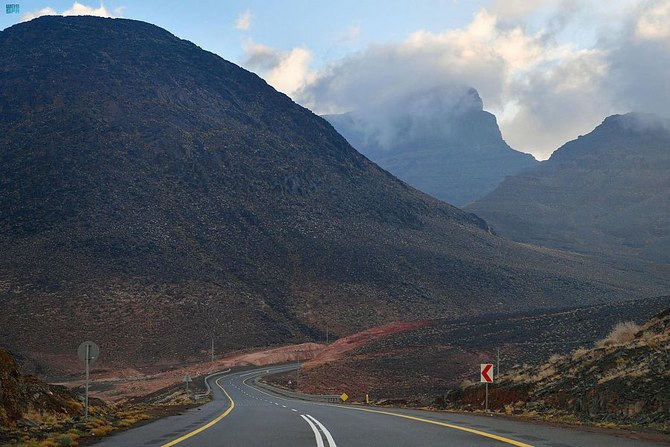
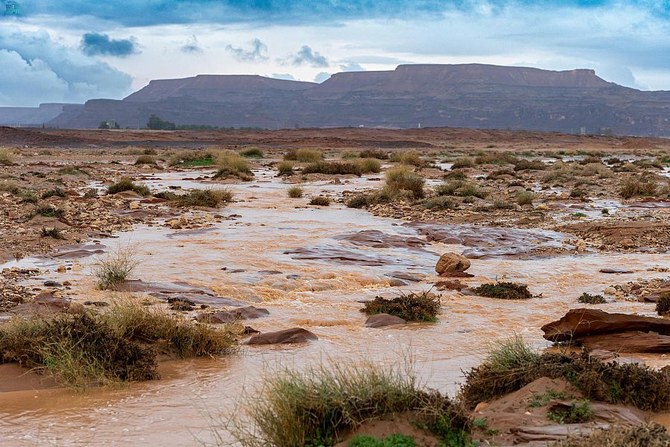
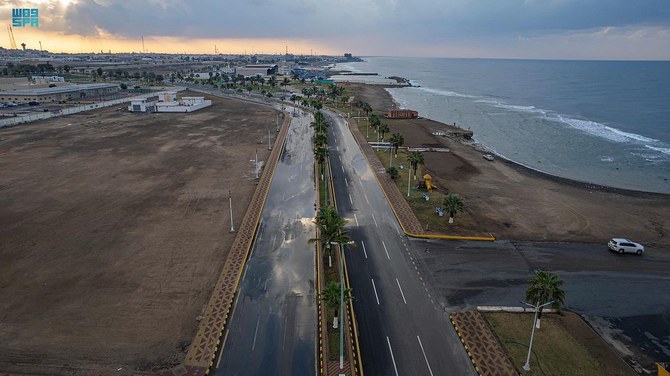
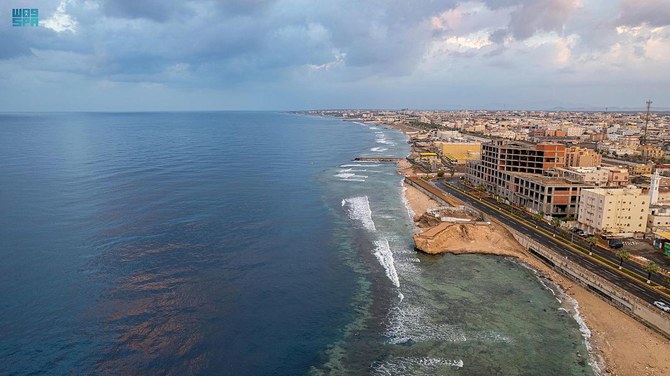
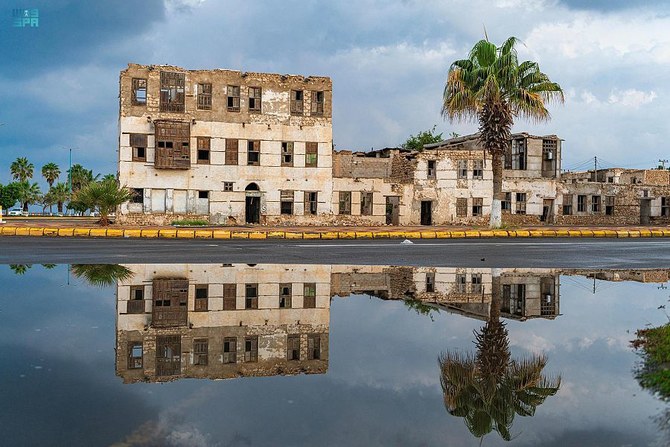
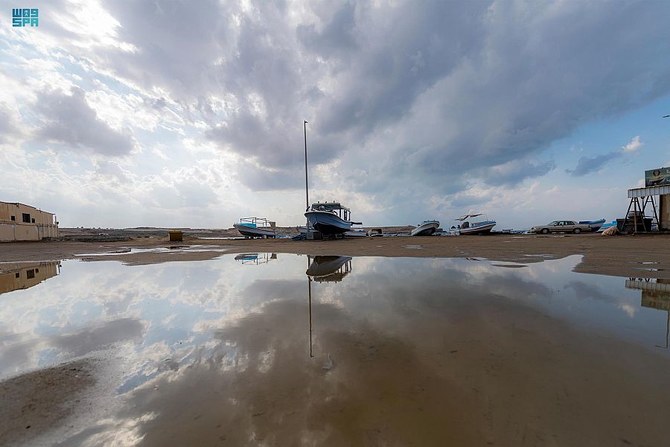
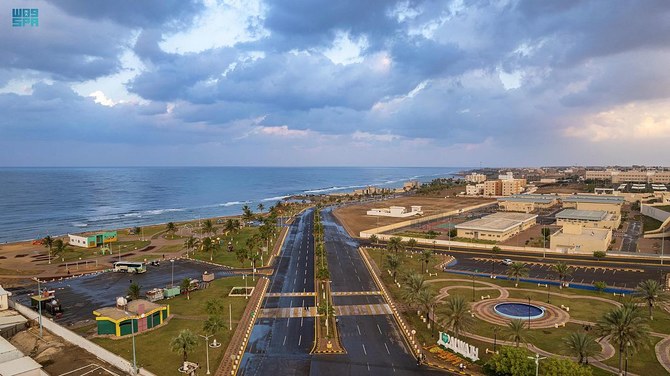
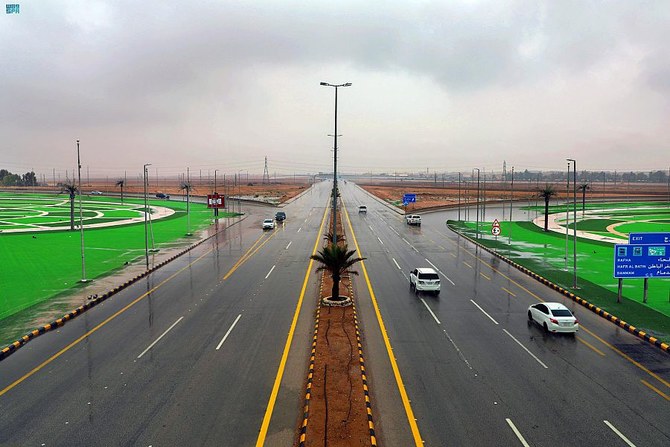
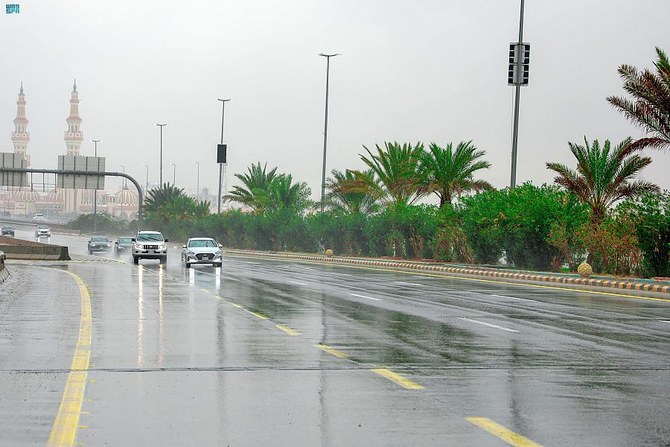
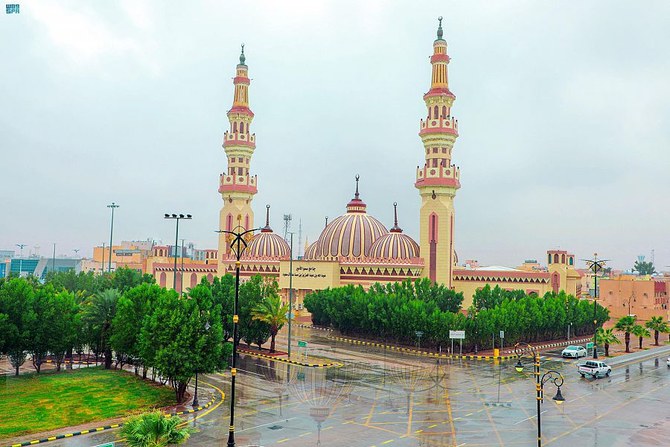
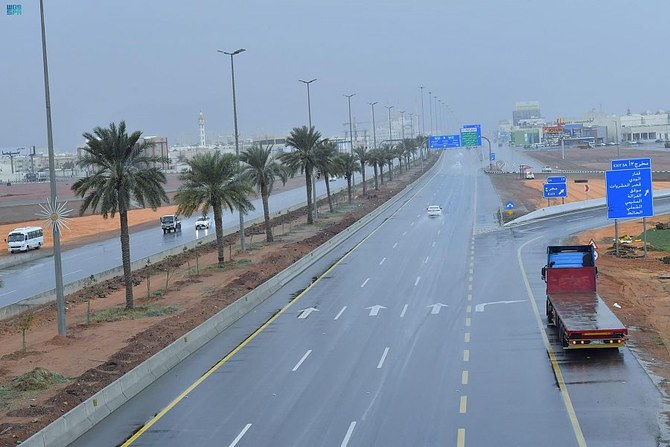
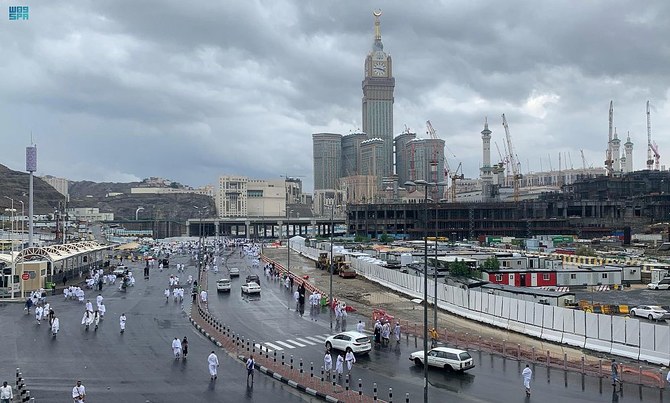
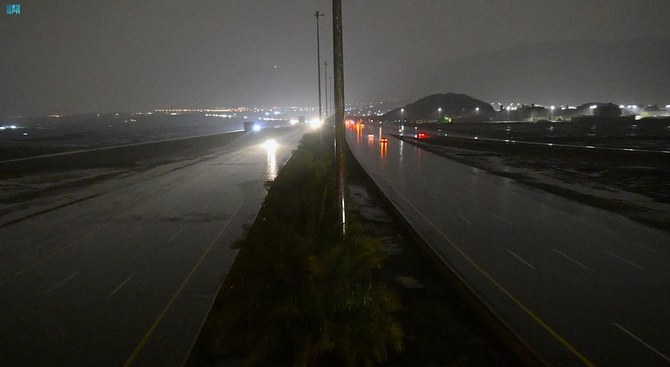
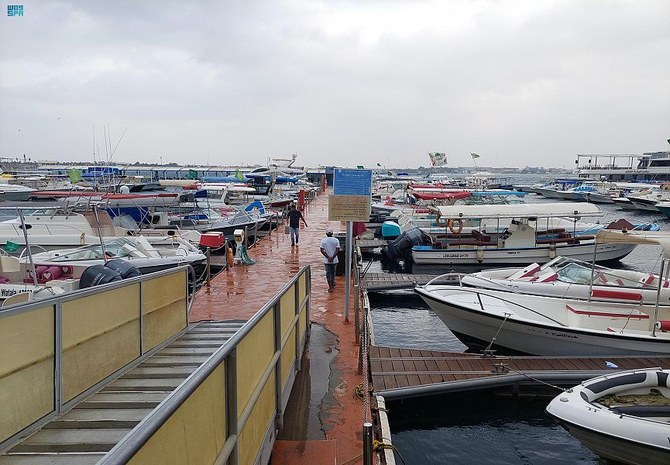
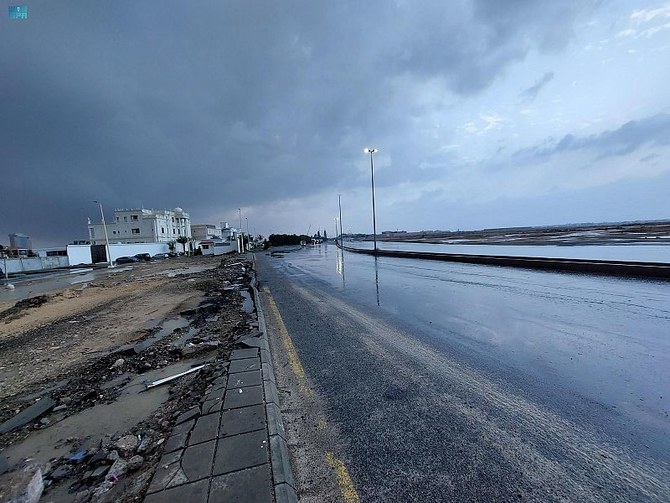
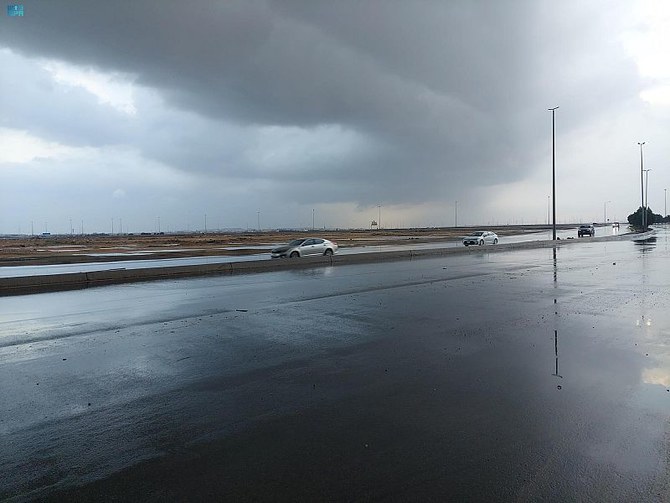
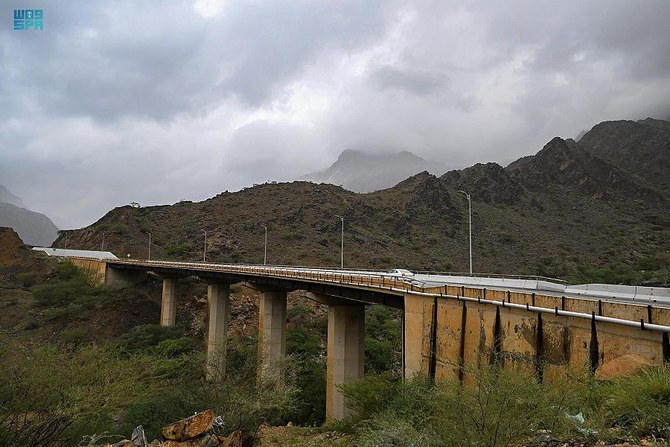
The National Center of Meteorology issued alerts for several regions across Saudi Arabia. (SPA)
2 / 28
3 / 28
4 / 28
5 / 28
6 / 28
7 / 28
8 / 28
9 / 28
10 / 28
11 / 28
12 / 28
13 / 28
14 / 28
15 / 28
16 / 28
17 / 28
18 / 28
19 / 28
20 / 28
21 / 28
22 / 28
23 / 28
24 / 28
25 / 28
26 / 28
27 / 28
28 / 28
Short Url
Updated 24 December 2022
Follow

Saudi authorities prepare for more rain, urge caution

  • Civil defense and emergency medical teams braced for the rainy season and began implementing plans
  • Municipalities continued to drain and clear the excess water

RIYADH: Authorities in Saudi Arabia on Friday issued a number of weather warnings across several regions and urged the public to take precautions as more rain was expected on Saturday.

The Kingdom’s Civil Defense and emergency medical teams braced for the rainy season and began implementing plans, while municipalities continued to drain and clear the excess water.

The National Center of Meteorology issued an alert for the western city of Madinah and its surrounding governorates, with forecasts of thunderstorms accompanied by heavy and torrential rain, surface winds, hail, and lack of visibility.

Moderate to heavy rainfall was also recorded in Jeddah, Qassim, Al-Jawf, Taif, Al-Wajh, Yanbu, Tabuk, Arar, Hail, Al-Baha and Makkah.

The Saudi Red Crescent Authority in Makkah, Tabuk and the Northern Borders Province raised their readiness and alert levels in their first aid centers, in alignment with reports of rainfall from Friday to Saturday.

Readiness has been raised in 98 centers in the Makkah region, including 24 centers in Taif, 36 in Jeddah, and 38 in the holy capital, equipped with crews of doctors, specialists and emergency medical technicians, as well as 114 vehicles, including ambulances and disaster and crisis vehicles.

Pictures and videos posted on social media showed rainwater flooding buildings in Makkah and washing away cars.

In Tabuk, 27 emergency centers have been set up.

Authorities called on citizens and residents to comply with the civil defense’s instructions published on different media outlets, to take precautionary measures against weather fluctuations and while driving on highways, and to avoid areas prone to potential flooding, as well as electricity poles and trees.

The authority said that emergency assistance can be requested by dialing 997 and via the Asefni application around the clock.

The Riyadh Municipality issued 10 alerts and guidelines to direct people to ensure their safety, and provided an alternative “940” emergency contact number.

People have also been warned to take care so as to avoid traffic accidents, not to drive at high speeds, or get distracted while driving.

The civil defense has set up committees to evaluate the damage caused by the rain in Makkah, which will begin receiving requests for compensation from those affected by torrential rains and flooding that struck the holy city.

“We didn’t record any deaths or injuries as a result of the torrential rains,” it added.

Meanwhile, the NCM issued a bulletin on the amounts of rain that fell on the Northern Borders Province during the past 24 hours, with Arar recording the highest, followed by Rafha airport and Turaif airport.


Experimental farm in Al-Lith looks into future of Saudi Arabian agriculture

Updated 01 February 2026
Follow

Experimental farm in Al-Lith looks into future of Saudi Arabian agriculture

  • Research initiative reflects strategic transformation

JEDDAH: An experimental farm in Saudi Arabia’s Al-Lith Governorate is one of the research initiatives reflecting the strategic transformation taking place in the Kingdom’s agricultural sector.

The farm uses highly efficient, sustainable production models that combine scientific research with commercial application, contributing to strengthening the country’s food security system and the sustainability of water resources.

Located in the Ghumaiqa Center on an area of about 10 hectares, the cutting-edge farm is a testing platform for modern agricultural technologies that tackle the challenge of water scarcity.

The farm includes developed open fields and modern greenhouses, supported by smart irrigation encompassing drip and sprinkler irrigation alongside surface and subsurface technologies.

All the systems operate via smart controls that enable the monitoring of water consumption and ensure improved efficiency, thereby achieving a balance between agricultural production and water conservation.

The farm also uses treated and diluted low-salinity seawater.

It aims to diversify agricultural water sources, reduce reliance on freshwater, and open new horizons for agriculture in coastal and semi-arid environments.

The project represents a promising investment opportunity in the field of smart agriculture, enabling the development of commercially scalable production models, particularly for high-value vegetables and fruits, while reducing operational costs associated with water and energy, enhancing the economic feasibility of future agricultural projects.

In addition, the project contributes to transferring and localizing agricultural expertise, supporting local food supply chains, and creating an attractive environment for agricultural investment.

This aligns with Sustainable Development Goals and enhances the efficiency of the private sector in adopting innovative agricultural solutions.

Yahya bin Abdulrahman Al-Mahabi, the director of the Ministry of Environment, Water and Agriculture office in Al-Lith Governorate, told the Saudi Press Agency that the project represented the future of agriculture in the Kingdom.

He explained that the vision was based on investing in technology, enhancing the return on water per unit, and integrating scientific research with investment opportunities.

Al-Mahabi spoke of the experimental farm as a modern, scalable and replicable model applicable in several regions of the Kingdom, particularly in coastal environments.

Al-Mahabi highlighted the Ministry of Environment, Water and Agriculture’s commitment to supporting distinctive projects that contributed to achieving food security while developing rural areas and enhancing agricultural production efficiency, in line with the objectives of the Kingdom’s Vision 2030.