ALGIERS: France said Sunday it had ended months of tensions over a visa dispute with Algeria, just days after Paris and Rabat made a similar announcement.
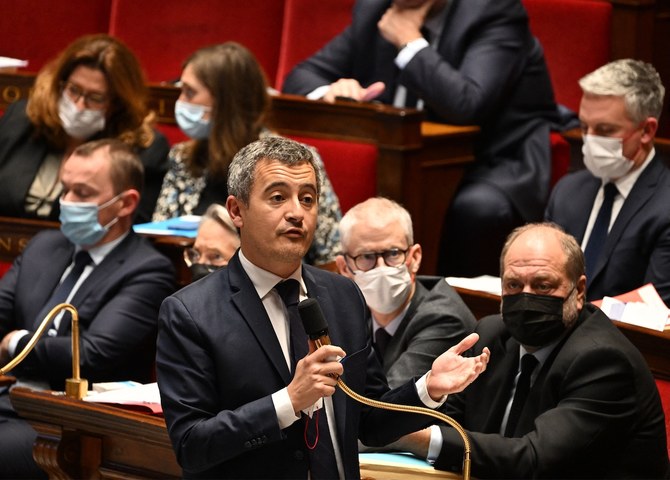
French Interior Minister Gerald Darmanin, on a visit to the capital Algiers, announced a return “to a normal consular relationship” with Algeria, according to a statement posted on Twitter.
In September 2021, Paris reduced visa quotas to its former colonies of Algeria, Morocco and Tunisia, in a bid to encourage the countries to cooperate against irregular migration.
Paris slashed rates by 30 percent for Tunisia, and 50 percent for Algeria and Morocco, in the hopes the countries would repatriate their citizens living in France as irregular migrants.
The move sparked widespread public anger.
France restored visa rates with Tunisia to pre-Covid levels in August, and on Friday, French Foreign Minister Catherine Colonna said Paris had returned to “full consular cooperation” with Morocco.
Consular ties with both Algeria and Morocco were effective since December 12, Paris has said.
On Sunday, Darmanin praised an “extremely strong relationship” between Paris and Algiers.


![]()

France and Algeria mend ties after visa row
Short Url
https://arab.news/8nnt9
France and Algeria mend ties after visa row
- France reduced visas granted to Algerians, Moroccans and Tunisians last year to encourage countries’ cooperation against irregular migration


Latest updates


© 2026 SAUDI RESEARCH & PUBLISHING COMPANY, All Rights Reserved And subject to Terms of Use Agreement.