

SABIC to sell Functional Forms polycarbonate business to Germany’s RÖHM

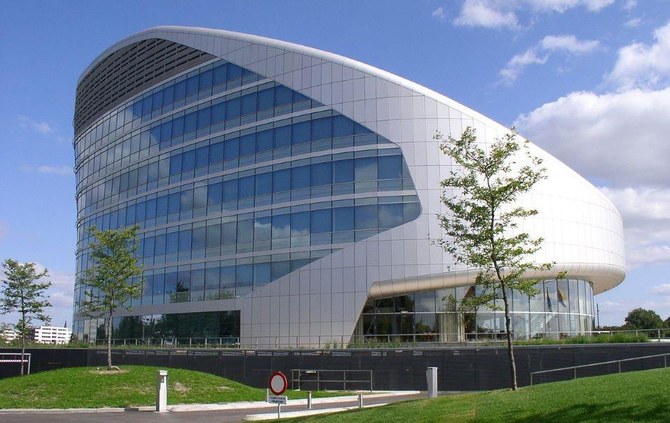
SABIC’s European HQ in Sittard, the Netherlands. (Wikimedia Commons)
Short Url
Updated 08 December 2022
Follow

SABIC to sell Functional Forms polycarbonate business to Germany’s RÖHM

  • SABIC’s Functional Forms business develops and manufactures high-quality, polycarbonate resin-based engineered thermoplastic sheet and film products
  • Final agreements between the two companies will be signed in the coming months after consultation with applicable works councils and unions in Europe

RIYADH: SABIC has agreed to sell its Functional Forms polycarbonate business to German manufacturer RÖHM.

The sale will allow SABIC to focus on its portfolio of petrochemicals, agri-nutrients, and specialties.

SABIC’s Functional Forms business develops and manufactures high-quality, polycarbonate resin-based engineered thermoplastic sheet and film products which it sells across a wide variety of industries, ranging from building and construction, consumer electronics, aircraft and rail interiors to displays. Its operations are in 19 countries and has about 700 employees.

Final agreements between the two companies will be signed in the coming months after consultation with applicable works councils and unions in Europe. Subject to regulatory approvals and completion of the carve-out of the business from the rest of SABIC’s operations, the transaction is expected to close during the first half of 2024.


Saudi Arabia’s foreign reserves rise to a 6-year high of $475bn

Updated 22 February 2026
Follow

Saudi Arabia’s foreign reserves rise to a 6-year high of $475bn

RIYADH: Saudi Arabia’s foreign reserves climbed 3 percent month on month in January to SR1.78 trillion, up SR58.7 billion ($15.6 billion) from December and marking a six-year high.

On an annual basis, the Saudi Central Bank’s net foreign assets rose by 10 percent, equivalent to SR155.8 billion, according to data from the Saudi Central Bank, Argaam reported.

The reserve assets, a crucial indicator of economic stability and external financial strength, comprise several key components.

According to the central bank, also known as SAMA, the Kingdom’s reserves include foreign securities, foreign currency, and bank deposits, as well as its reserve position at the International Monetary Fund, Special Drawing Rights, and monetary gold.

The rise in reserves underscores the strength and liquidity of the Kingdom’s financial position and aligns with Saudi Arabia’s goal of strengthening its financial safety net as it advances economic diversification under Vision 2030.

The value of foreign currency reserves, which represent approximately 95 percent of the total holdings, increased by about 10 percent during January 2026 compared to the same month in 2025, reaching SR1.68 trillion.

The value of the reserve at the IMF increased by 9 percent to reach SR13.1 billion.

Meanwhile, SDRs rose by 5 percent during the period to reach SR80.5 billion.

The Kingdom’s gold reserves remained stable at SR1.62 billion, the same level it has maintained since January 2008.

Saudi Arabia’s foreign reserve assets saw a monthly rise of 5 percent in November, climbing to SR1.74 trillion, according to the Kingdom’s central bank.

Overall, the continued advancement in reserve assets highlights the strength of Saudi Arabia’s fiscal and monetary buffers. These resources support the national currency, help maintain financial system stability, and enhance the country’s ability to navigate global economic volatility.

The sustained accumulation of foreign reserves is a critical pillar of the Kingdom’s economic stability. It directly reinforces investor confidence in the riyal’s peg to the US dollar, a foundational monetary policy, by providing SAMA with ample resources to defend the currency if needed.

Furthermore, this financial buffer enhances the nation’s sovereign credit profile, lowers national borrowing costs, and provides essential fiscal space to navigate global economic volatility while continuing to fund its ambitious Vision 2030 transformation agenda.