

Pakistan, Saudi Arabia top list of countries with highest number of Careem rides

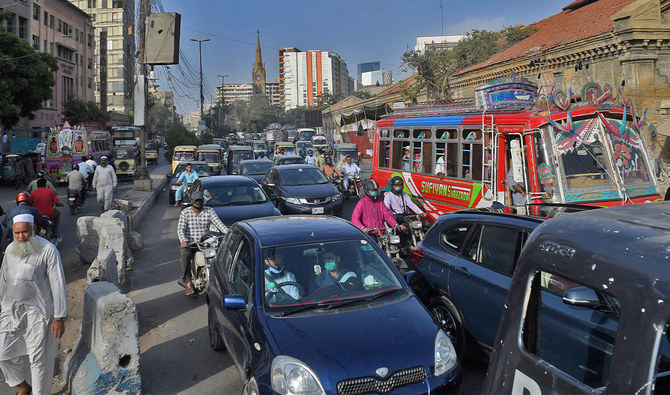
Commuters make their way through a traffic jam in a commercial area in Karachi, Pakistan, on June 16, 2020. (AFP/File)
Short Url
Updated 29 November 2022
Follow

Pakistan, Saudi Arabia top list of countries with highest number of Careem rides

  • Ride sharing app celebrates one billion rides across Middle East, North Africa and Pakistan
  • One billionth trip was completed in Qatar by Captain Razak Uppattil from Kerala

KARACHI: The ride sharing platform Careem celebrated one billion ride hailing trips across the Middle East, North Africa and Pakistan, a statement from the company released on Tuesday said, with Pakistan, Saudi Arabia and Egypt listed as the countries with the highest number of rides.

Careem Captains have driven over nine billion kilometers across more than 80 cities over ten years. Careem’s first ride took place in the UAE in September 2012 and was booked manually before the first line of code was written from Pakistan a few months later.

Careem expanded in popularity across the region as the first ride-hailing platform to offer cash payments. The percentage of Careem rides paid for digitally has grown from 31 percent in 2016 to 44 percent in 2022.

Careem’s one billionth trip was completed in Qatar by Captain Razak Uppattil from Kerala, India, who has been driving with Careem for four years and has completed over 10,500 trips on the platform. To celebrate this milestone, Careem gifted Uppattil a trip to his hometown in Kerala.

“The countries with the highest number of rides recorded are Pakistan (299 million), Saudi Arabia (242 million), and Egypt (230 million),” Careem said. “The longest single ride covered 1,113 kilometers, from Riyadh to Jazan in Saudi Arabia in 2020. The shortest single ride was a 200 meter trip in Lahore.”

The one billionth passenger was Genera Tesoro, a Careem customer from the Philippines who works as a receptionist at Padel In Aspire Zone in Doha. Genera completed more than 50 trips per month and said she chose Careem because it was a more affordable option.

“Reaching the incredible milestone of 1 billion rides is thanks to the hard work of our Captains and colleagues as well as the trust that our customers have placed in us,” Mudassir Sheikha, CEO & Co-founder of Careem, said.

“We feel blessed to have made it easier for people to move around and to have created earning opportunities for more than 2.5 million people. The opportunity ahead is large and humbling — our region is full of untapped potential and there’s so much more we must do to simplify and improve life for people in the region.”

Captain Uppattil, who completed the one billionth ride, commented:

“I thank God to have completed the 1 billionth trip. I have been at Careem for about four years and have so many favorite moments. It’s the people that I get to meet from all over the world that I really enjoy. I have three children back home in Kerala, India, and I am so excited to see them soon.”

Careem has more than 50 million registered customers, and 2.5 million registered Captains who have collectively earned over $4 billion in earnings to date. The highest number of trips recorded by a Careem Captain is 35,139 trips by a Captain in Jordan. The highest number of rides booked by a Careem customer is over 9,500 rides by a customer in Saudi Arabia.

Careem offers over a dozen services including ride-hailing, food and grocery delivery, micro-mobility, payments, and partner services including home cleaning, car rental, event bookings, and on-demand laundry services.
No casualties as blast derails Jaffar Express train in Pakistan’s south

Updated 26 January 2026
Follow

No casualties as blast derails Jaffar Express train in Pakistan’s south

  • Passengers were stranded and railway staffers were clearing the track after blast, official says
  • In March 2025, separatist militants hijacked the same train with hundreds of passengers aboard

QUETTA: A blast hit Jaffar Express and derailed four carriages of the passenger train in Pakistan’s southern Sindh province on Monday, officials said, with no casualties reported.

The blast occurred at the Abad railway station when the Peshawar-bound train was on its way to Sindh’s Sukkur city from Quetta, according to Pakistan Railways’ Quetta Division controller Muhammad Kashif.

No group immediately claimed responsibility for the bomb attack, but passenger trains have often been targeted by Baloch separatist outfits in the restive Balochistan province that borders Sindh.

“Four bogies of the train were derailed due to the intensity of the explosion,” Kashif told Arab News. “No casualty was reported in the latest attack on passenger train.”

The Jaffar Express stands derailed near Abad Railway Station in Jacobabad following a blast on January 26, 2026. (AN Photo/Saadullah Akhtar)

Another railway employee, who was aboard the train and requested anonymity, said the train was heading toward Sukkur from Jacobabad when they heard the powerful explosion, which derailed power van among four bogies.

“A small piece of the railway track has been destroyed,” he said, adding that passengers were now standing outside the train and railway staffers were busy clearing the track.

In March last year, fighters belonging to the Balochistan Liberation Army (BLA) separatist group had stormed Jaffar Express with hundreds of passengers on board and took them hostage. The military had rescued them after an hours-long operation that left 33 militants, 23 soldiers, three railway staff and five passengers dead.

The passenger train, which runs between Balochistan’s provincial capital of Quetta and Peshawar in the country’s northwest, had been targeted in at least four bomb attacks last year since the March hijacking, according to an Arab News tally.

The Jaffar Express stands derailed near Abad Railway Station in Jacobabad following a blast on January 26, 2026. (AN Photo/Saadullah Akhtar)

Pakistan Railways says it has beefed up security arrangements for passenger trains in the province and increased the number of paramilitary troops on Jaffar Express since the hijacking in March, but militants have continued to target them in the restive region.

Balochistan, Pakistan’s southwestern province that borders Iran and Afghanistan, is the site of a decades-long insurgency waged by Baloch separatist groups who often attack security forces and foreigners, and kidnap government officials.

The separatists accuse the central government of stealing the region’s resources to fund development elsewhere in the country. The Pakistani government denies the allegations and says it is working for the uplift of local communities in Balochistan.