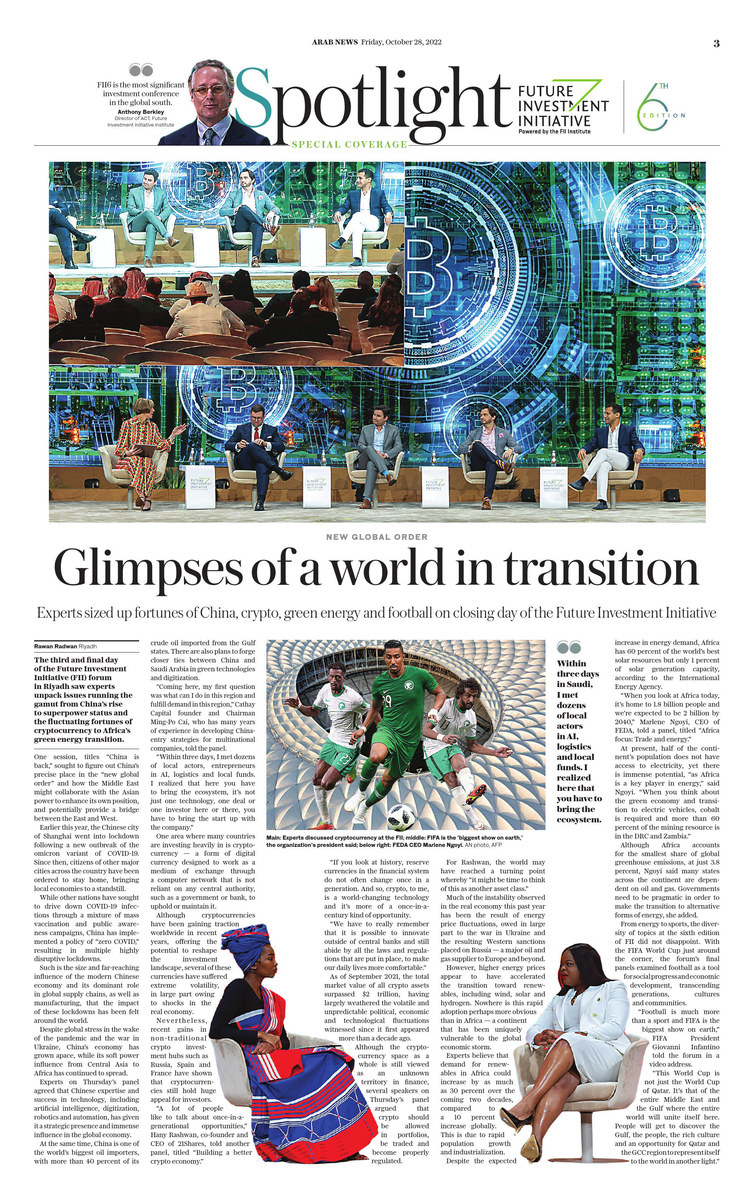

RIYADH: The third and final day of the Future Investment Initiative (FII) forum in Riyadh saw experts unpack issues running the gamut from China’s rise to superpower status and the fluctuating fortunes of cryptocurrency to Africa’s green energy transition.
One session, titled “China is back,” sought to figure out China’s precise place in the “new global order” and how the Middle East might collaborate with the Asian power to enhance its own position, and potentially provide a bridge between the East and West.
Earlier this year, the Chinese city of Shanghai went into lockdown following a new outbreak of the omicron variant of COVID-19 Since then, citizens of other major cities across the country have been ordered to stay home, bringing local economies to a standstill.
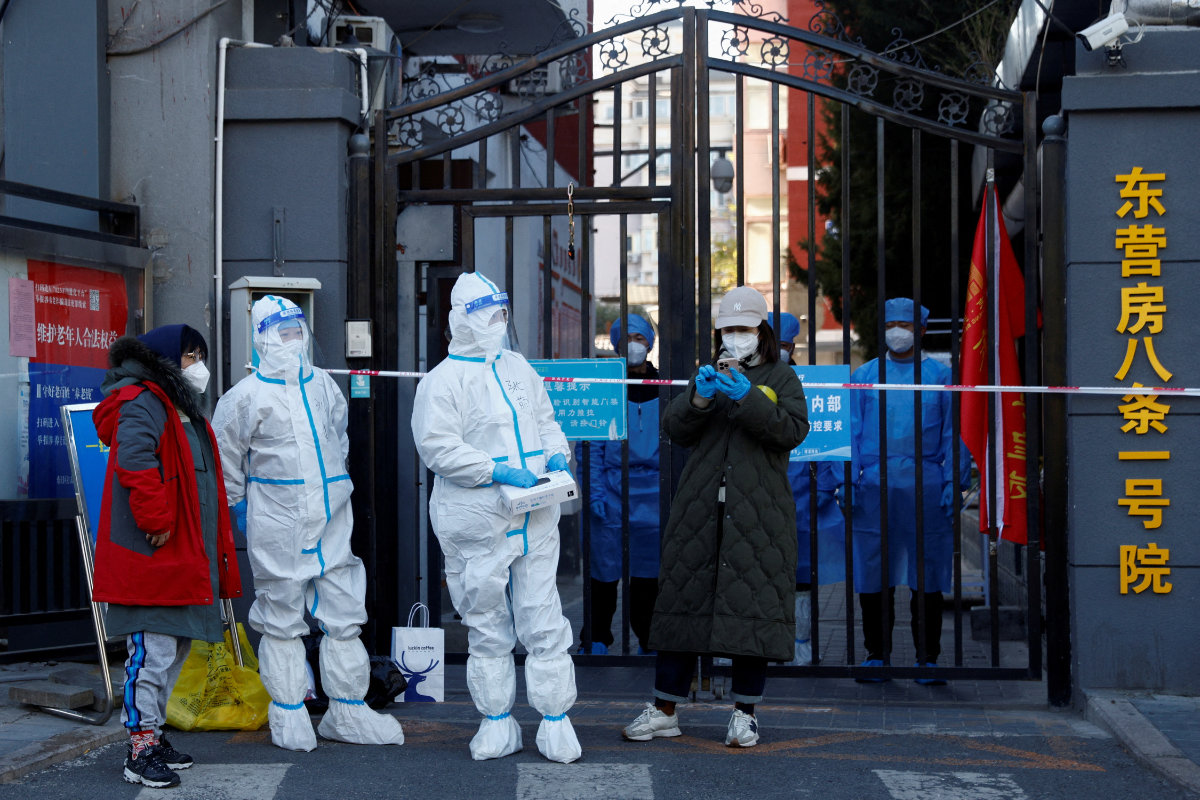
Security personnel in protective suits stand at the gate of a residential compound that is under lockdown as outbreaks of COVID-19 continue in Beijing. (REUTERS)
While other nations have sought to drive down COVID-19 infections through a mixture of mass vaccination and public awareness campaigns, China has implemented a policy of “zero COVID,” resulting in multiple highly disruptive lockdowns.
Such is the size and far-reaching influence of the modern Chinese economy and its dominant role in global supply chains, as well as manufacturing, that the impact of these lockdowns has been felt around the world.
Despite global stress in the wake of the pandemic and the war in Ukraine, China’s economy has grown apace, while its soft power influence from Central Asia to Africa has continued to spread.
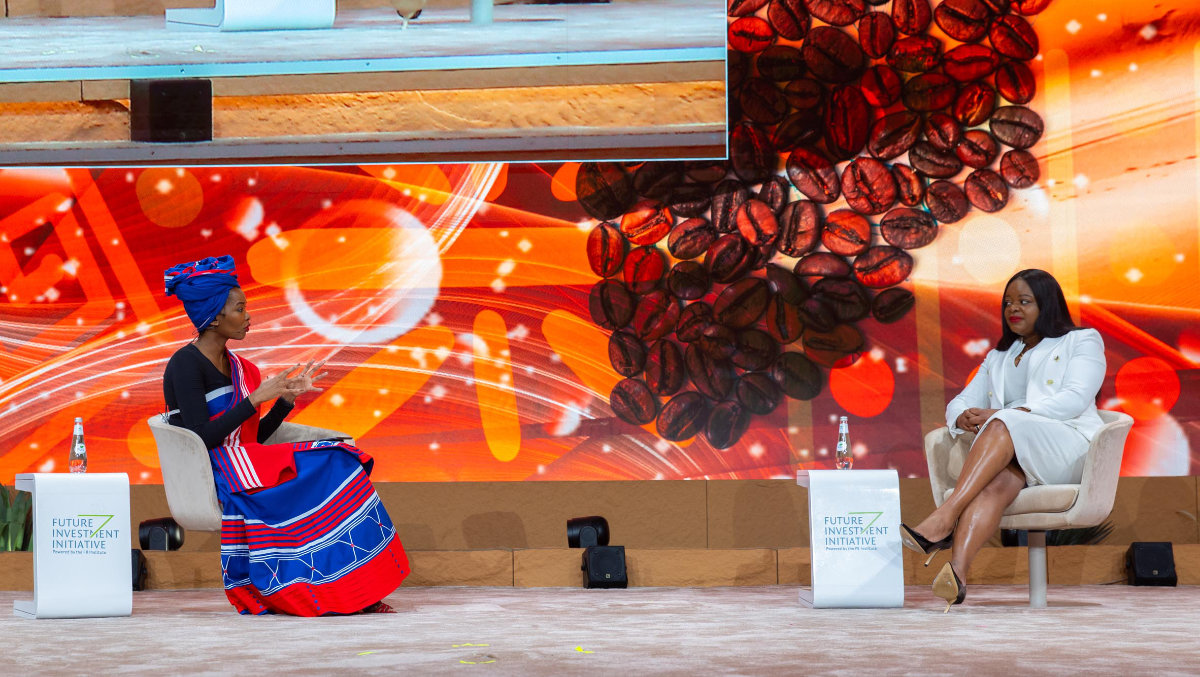
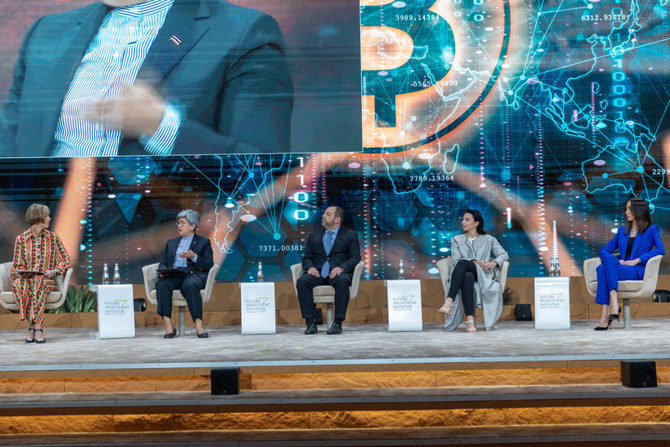
Half of the Africa’s population does not have access to electricity, yet there is immense potential, Marlene Ngoyi (right), CEO of the Fund for Export-Development in Africa (FEDA), told the forum. (Supplied)
Experts on Thursday’s panel agreed that Chinese expertise and success in technology, including artificial intelligence, digitization, robotics and automation, has given it a strategic presence and immense influence in the global economy.
At the same time, China is one of the world’s biggest oil importers, with more than 40 percent of its crude oil imported from the Gulf states. There are also plans to forge closer ties between China and Saudi Arabia in green technologies and digitization.
“Coming here, my first question was what can I do in this region and fulfill demand in this region,” Cathay Capital founder and Chairman Ming-Po Cai, who has many years of experience in developing China-entry strategies for multinational companies, told the panel.
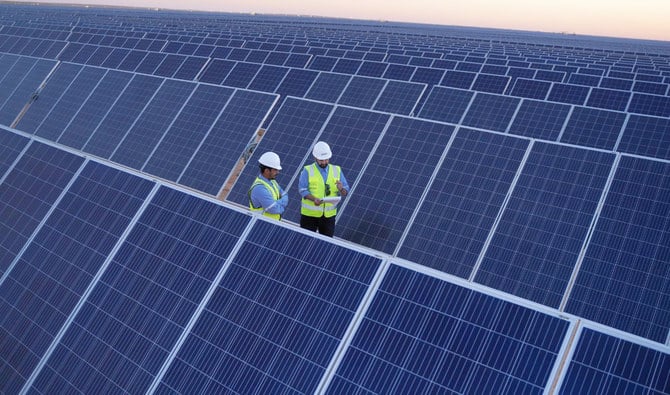
Production of renewable energy is one of the main thrusts of Saudi Arabia's Vision 2030 program. (SPA file photo)
“Within three days, I met dozens of local actors, entrepreneurs in AI, logistics and local funds. I realized that here you have to bring the ecosystem, it’s not just one technology, one deal or one investor here or there, you have to bring the start up with the company.”
One area where many countries are investing heavily in is cryptocurrency — a form of digital currency designed to work as a medium of exchange through a computer network that is not reliant on any central authority, such as a government or bank, to uphold or maintain it.
Although cryptocurrencies have been gaining traction worldwide in recent years, offering the potential to reshape the investment landscape, several of these currencies have suffered extreme volatility, in large part owing to shocks in the real economy.
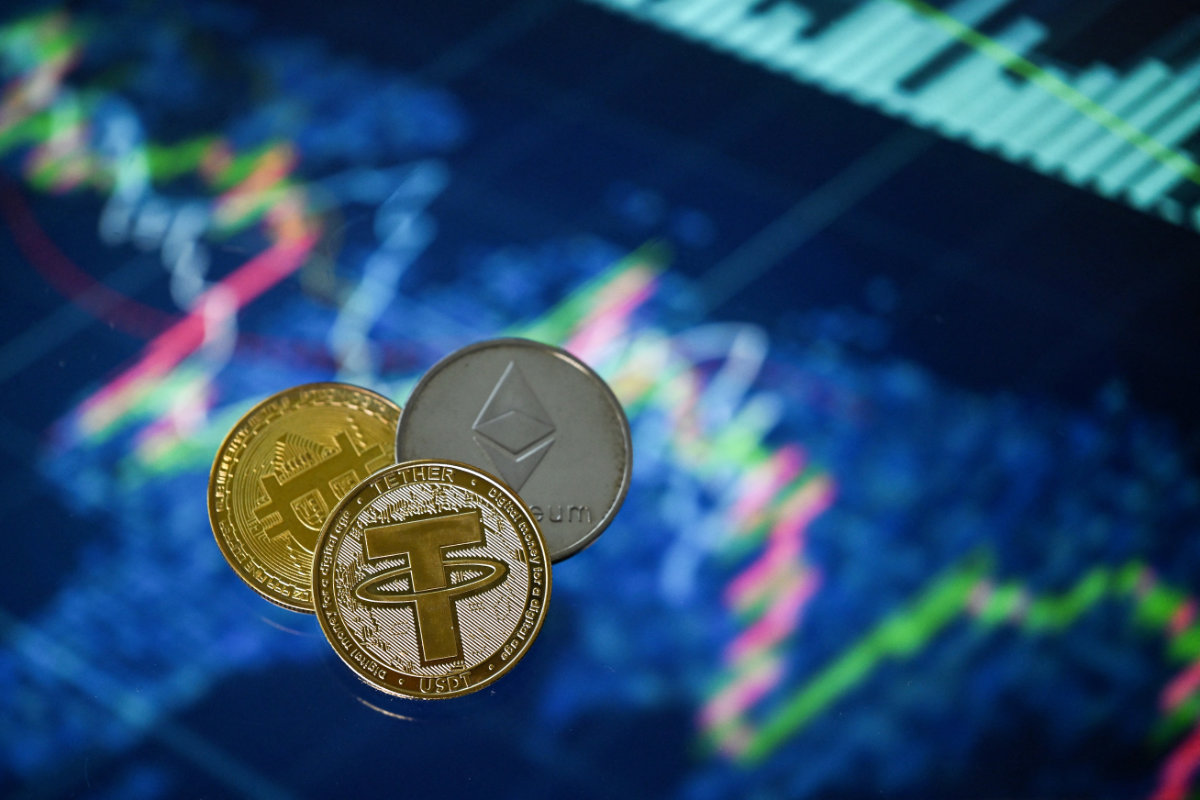
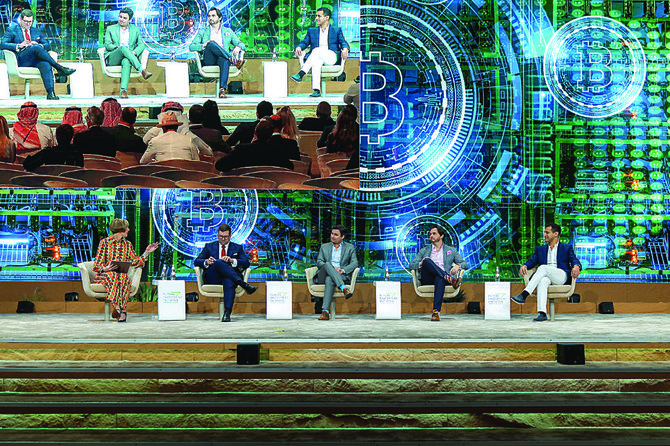
Cryptocurrencies have been gaining traction worldwide in recent years. (AFP file)
Nevertheless, recent gains in non-traditional crypto investment hubs such as Russia, Spain and France have shown that cryptocurrencies still hold huge appeal for investors.
“A lot of people like to talk about once-in-a-generational opportunities,” Hany Rashwan, co-founder and CEO of 21Shares, told another panel, titled “Building a better crypto economy.”
“If you look at history, reserve currencies in the financial system do not often change once in a generation. And so, crypto, to me, is a world-changing technology and it’s more of a once-in-a-century kind of opportunity.
“We have to really remember that it is possible to innovate outside of central banks and still abide by all the laws and regulations that are put in place, to make our daily lives more comfortable.”
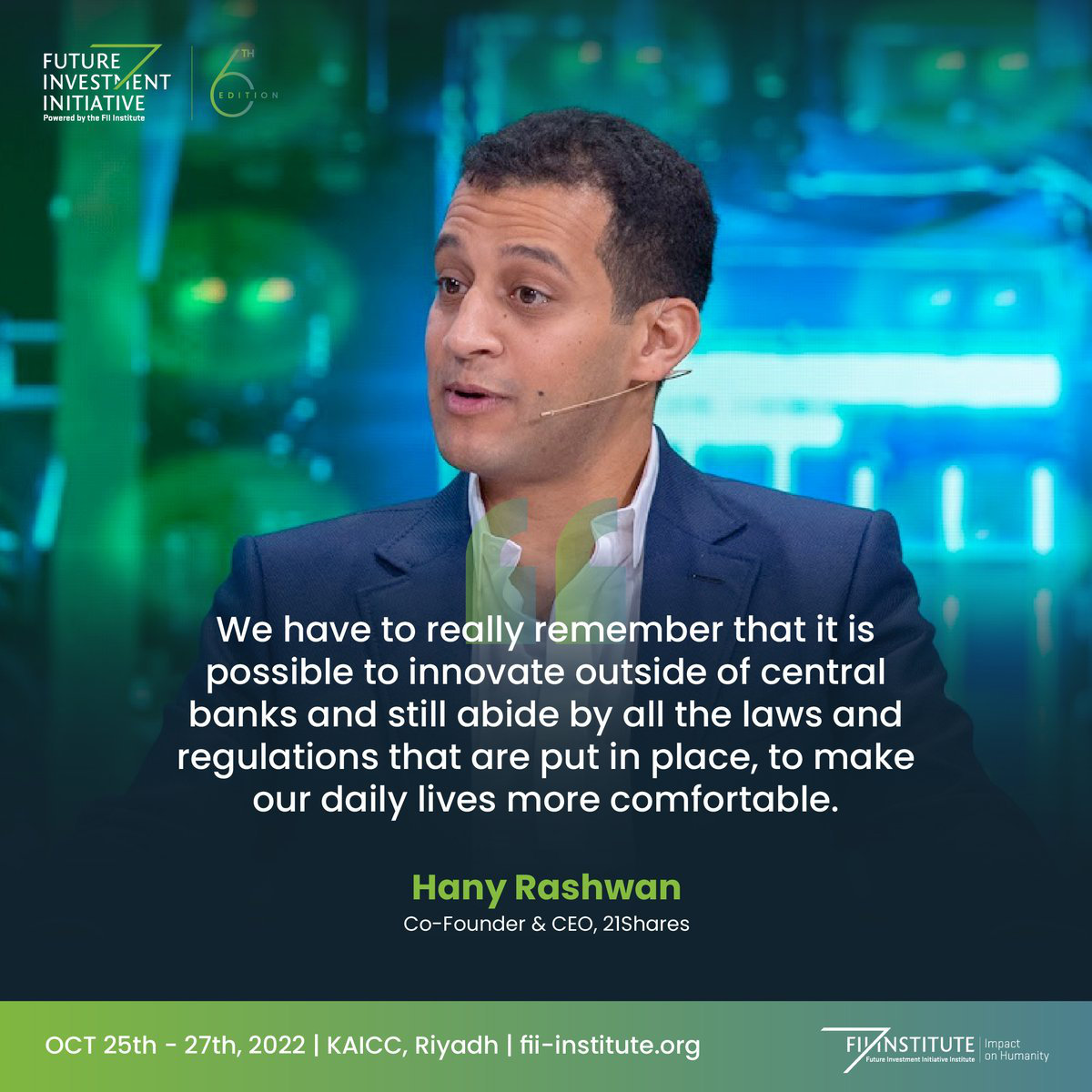
21Shares co-founder and CEO Hany Rashwan speaks during the forum. (@FIIKSA illustration image)
As of September 2021, the total market value of all crypto assets surpassed $2 trillion, having largely weathered the volatile and unpredictable political, economic and technological fluctuations witnessed since it first appeared more than a decade ago.
Although the cryptocurrency space as a whole is still viewed as an unknown territory in finance, several speakers on Thursday’s panel argued that crypto should be allowed in portfolios, be traded and become properly regulated.
For Rashwan, the world may have reached a turning point whereby “it might be time to think of this as another asset class.”
Much of the instability observed in the real economy this past year has been the result of energy price fluctuations, owed in large part to the war in Ukraine and the resulting Western sanctions placed on Russia — a major oil and gas supplier to Europe and beyond.
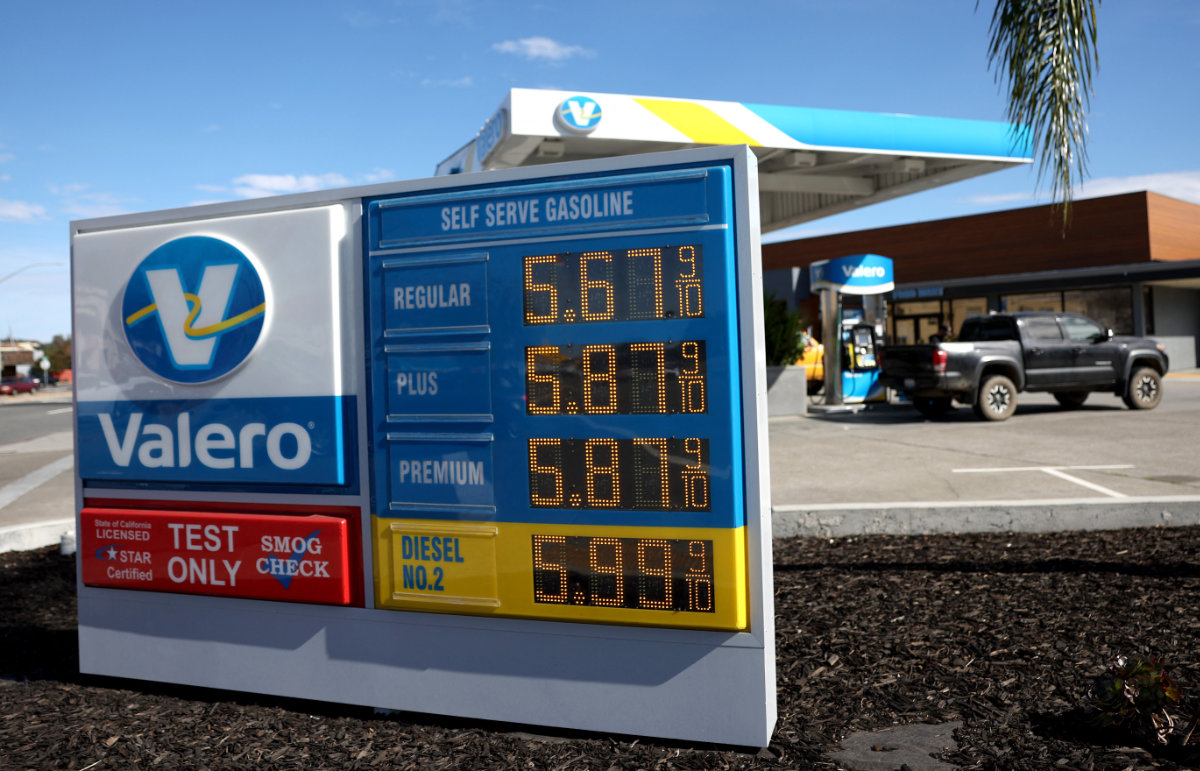
Inflation, in the form of higher prices for gas, food, and other consumer goods, has set in in many economies of the world as a result of the Russian war on Ukraine. (AFP file)
However, higher energy prices appear to have accelerated the transition toward renewables, including wind, solar and hydrogen. Nowhere is this rapid adoption perhaps more obvious than in Africa — a continent that has been uniquely vulnerable to the global economic storm.
Experts believe that demand for renewables in Africa could increase by as much as 30 percent over the coming two decades, compared to a 10 percent increase globally. This is due to rapid population growth and industrialization.
Despite the expected increase in energy demand, Africa has 60 percent of the world’s best solar resources but only 1 percent of solar generation capacity, according to the International Energy Agency.
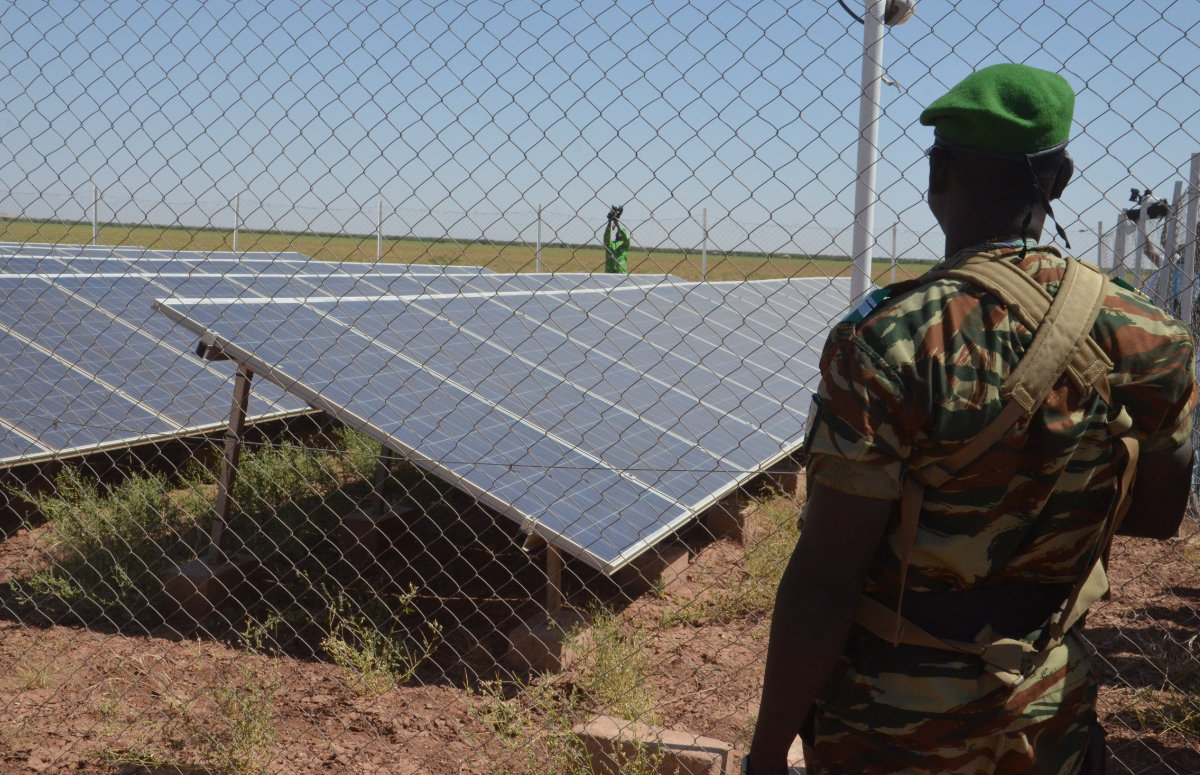
A Nigerian soldier guards a solar plant supplying electricity to an irrigation pumping project in the northern desert of Niger. (AFP)
“When you look at Africa today, it’s home to 1.8 billion people and we’re expected to be 2 billion by 2040,” Marlene Ngoyi, CEO of FEDA, told a panel, titled “Africa focus: Trade and energy.”
At present, half of the continent’s population does not have access to electricity, yet there is immense potential, “as Africa is a key player in energy,” said Ngoyi. “When you think about the green economy and transition to electric vehicles, cobalt is required and more than 60 percent of the mining resource is in the DRC and Zambia.”
Although Africa accounts for the smallest share of global greenhouse emissions, at just 3.8 percent, Ngoyi said many states across the continent are dependent on oil and gas. Governments need to be pragmatic in order to make the transition to alternative forms of energy, she added.
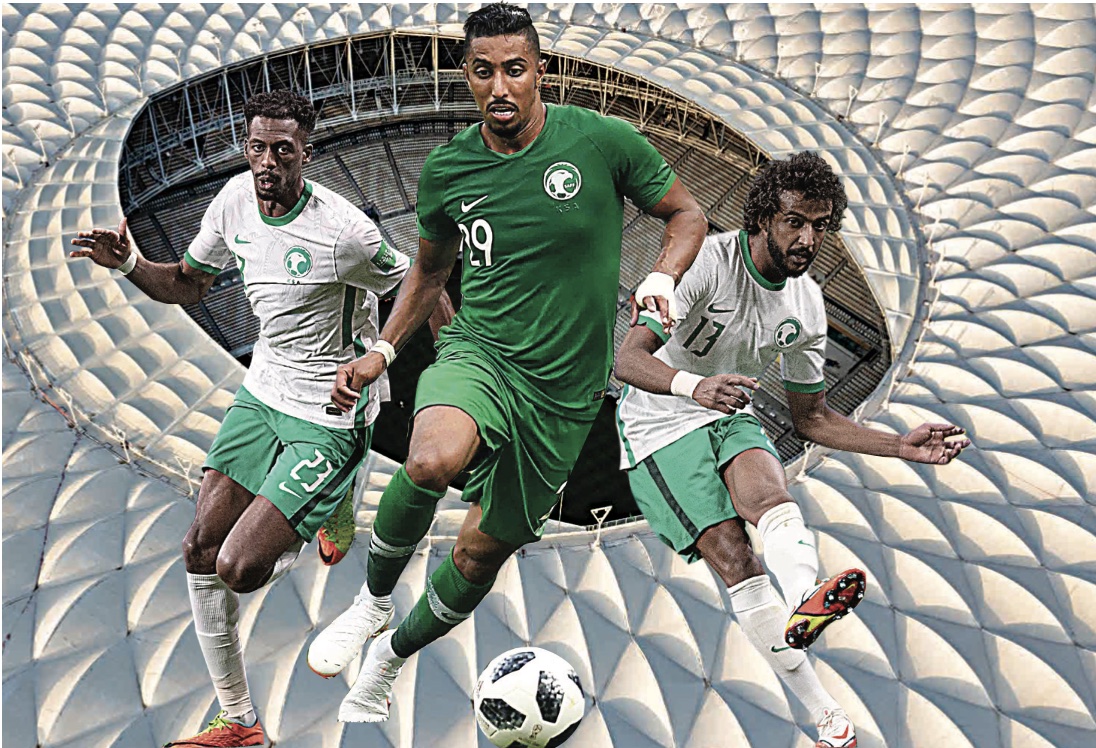
FIFA is the ‘biggest show on earth.’ (AN combo image)
From energy to sports, the diversity of topics at the sixth edition of FII did not disappoint. With the FIFA World Cup just around the corner, the forum’s final panels examined football as a tool for social progress and economic development, transcending generations, cultures and communities.
“Football is much more than a sport and FIFA is the biggest show on earth,” FIFA President Giovanni Infantino told the forum in a video address.
“This World Cup is not just the World Cup of Qatar. It’s that of the entire Middle East and the Gulf where the entire world will unite itself here. People will get to discover the Gulf, the people, the rich culture and an opportunity for Qatar and the GCC region to represent itself to the world in another light.”