RIYADH: Saudi Arabia’s retail sector witnessed an increase in retail space and a strong recovery in domestic demand following the relaxation of COVID-19 restrictions in the first half of 2022, according to the head of global real estate services firm Jones Lang LaSalle.
The underlying demand for residential properties in Riyadh remains strong, and it is expected to continue to strengthen in the longer term as the government fuels its ambitious target to make the city one of the 10th largest in the world by 2030, said a senior JLL official.
In an exclusive interview with Arab News, Thierry Delvaux, CEO, Middle East, Africa and Turkey at JLL, said: “The real estate is reviving. Since the relaxation of the restrictions, we are seeing a greater movement of people.
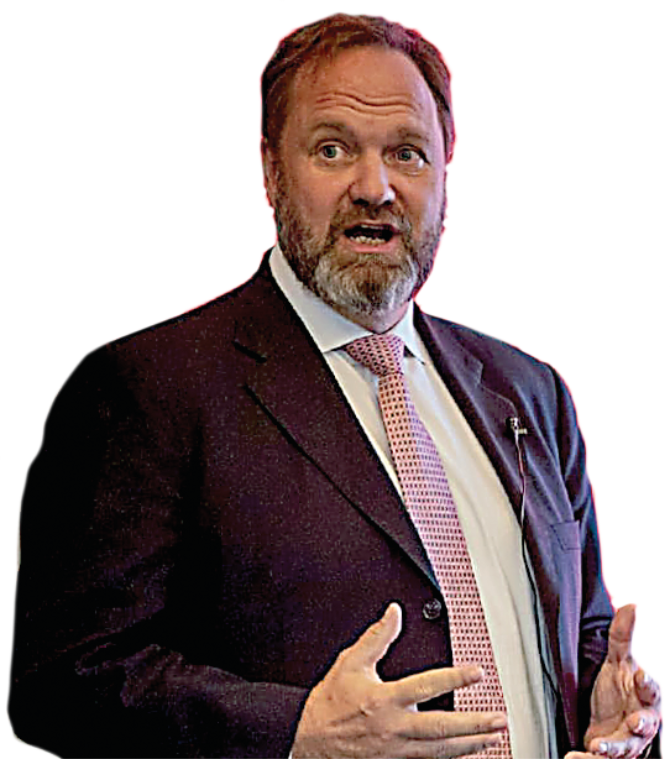
The office rates are very high at the moment. And when it comes to rents, we are seeing significant growth. Retail centers are reporting high levels of footfall.
Thierry Delvaux, CEO, Middle East, Africa and Turkey at JLL
“We are also seeing a comeback from firms that planned to open new offices.”
As a result, the demand for office real estate is rising — reflected in growing occupancy rates, which for Grade A buildings are nearly full, pointed out Delvaux.
Agreeing that the property market has reached the pre-pandemic level, the JLL CEO said: “The office rates are very high at the moment. And when it comes to rents, we are seeing significant growth.”
Demand for retail shops is also increasing. Delvaux said that retail centers are reporting high levels of footfall, especially malls.
Commenting on residential properties witnessing strong demand in Riyadh, Delvaux said: “Rents and prices for residential real estate in Riyadh is growing, and we are seeing single-digit growth for both.”
The northward trend is not just limited to Riyadh but also other major cities such as Jeddah.
“If you talk about Jeddah, we are seeing limited supply. Demand is growing, resulting in a significant impact on residential rents and prices,” added Delvaux.
Improving growth outlook
On the growth rate of the real estate market this year compared to last year, he said: “It depends from sector to sector.
“For example, the residential sector is seeing single-digit growth in terms of rents.
“Offices are also seeing very healthy rental growth due to higher demand levels and quite scarce supply for office space.”
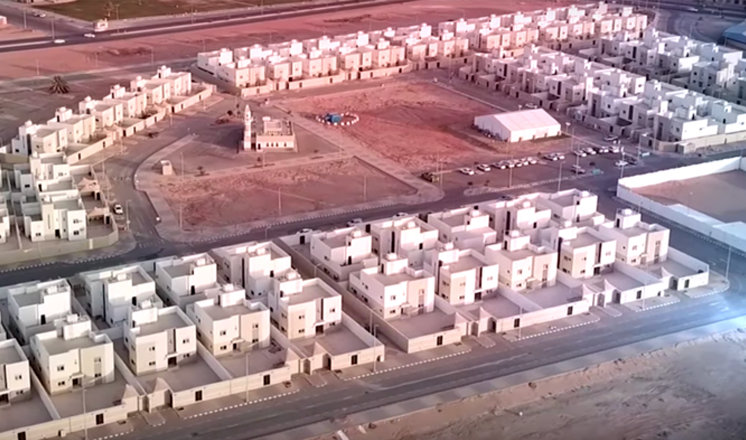
The outlook for the Saudi real estate market in the second half of 2022 remains encouraging.
“In the short to medium term, we expect the population of Riyadh to grow in line with the Vision 2030 program to double its population and increase homeownership to 70 percent by 2030, suggesting that the demand will continue to grow.”
Riyadh aims to increase its residents from 7.5 million today to between 15 million and 20 million in 2030 under ambitious plans unveiled by Crown Prince Mohammed bin Salman at the Future Investment Initiative summit held in the Saudi capital last year.
Changing market dynamics
Speaking at the JLL roundtable on the importance of sustainability in enhancing the transparency of the real estate market, Delvaux said that he is witnessing a growing interest in transparency standards and sustainability, which could be a game changer.
“We understand the significant impact we can create through our work in Saudi Arabia,” he said, adding: “In addition to reducing our emissions, we are also making strategic investments in sustainability services and capabilities, leveraging the breadth and strength of our global platform and local expertise.”
According to JLL’s latest Global Real Estate Transparency Index, the Kingdom maintained its position in the top 50 global rankings, boosting its position at a regional level. It ranked 49 on the index.
The roundtable also focused on the vulnerabilities faced by the Middle East and North Africa region while highlighting the concerted efforts made by the Kingdom to bring about green innovation in real estate.
The initiatives include introducing the Mostadam Green Building Rating System tailored to the Kingdom’s local climate and environmental characteristics and the Saaf Certification Program.
Also noteworthy is the retrofitting of the Ministry of Municipal and Rural Affairs’ building in Riyadh by the National Energy Services Co., also known as Tarshid, with energy efficiency measures to reduce a facility’s energy consumption.
“With Saudi real estate industry’s momentum toward decarbonization and transparency, the country has emerged as one of the world’s top 50 most transparent real estate markets,” said Saud Mohamed Al-Sulaymani, the country head of JLL Saudi Arabia, while speaking at the roundtable.
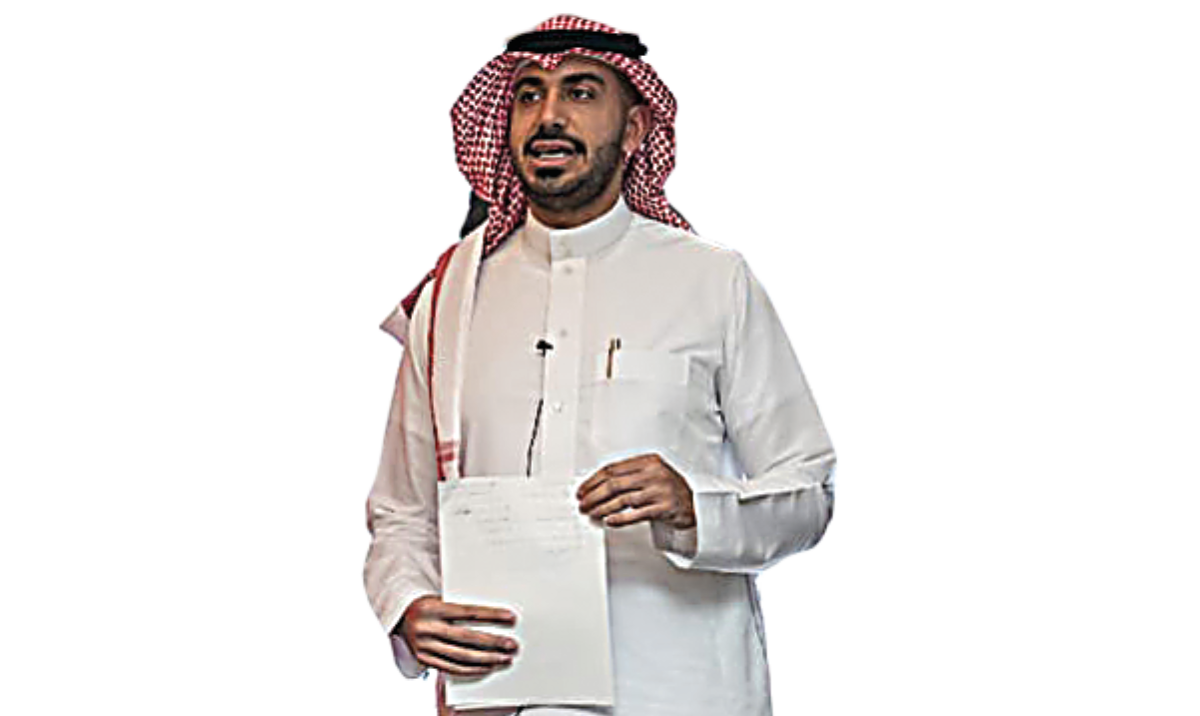
With Saudi real estate industry’s momen-tum toward decarbon-ization, the country has emerged as one of the world’s top 50 most transpa-rent real estate markets.
Saud Mohamed Al-Sulaymani, Country head of JLL Saudi Arabia
He also emphasized that hosting the upcoming UN climate conferences in Egypt and Dubai provided an excellent opportunity for the region to shed light on its climate change risks and vulnerabilities and showcase its action plans to mitigate and adapt to them.
Separately, the National Housing Co. recently signed nine agreements totalling SR2 billion ($533 million) with a number of national strategic partners on the sidelines of the Distinguished Cities Projects Exhibition in Riyadh.
The agreements with national partners aim to provide project management services, engineering supervision, design work implementation, housing unit construction, and evaluation services.
Furthermore, the agreements make it easier to manage the printing environment and control consumption, as well as ensure the quality of infrastructure, improve operational sustainability and develop projects.
Earlier this month, the company signed an agreement to finance and develop a portfolio of projects worth more than SR40 billion, which will result in the construction of more than 150,000 housing units in 11 cities across Saudi Arabia.