




PARIS: If you think that Saudi Arabia’s cuisine is only famous for kabsa, think again, and the Eiffel Tower is a witness!
Paris hosted one of the biggest gourmet events this weekend, which took place from Sept. 1-4.
The fifth edition of the International Gastronomy Village offered four days of conviviality with popular cuisines and cultures from over 50 countries. This year, Michelin-starred chef Guy Savoy sponsored the village.
All this is very familiar to the CEO of the Saudi Culinary Arts Commission, Mayada Badr, who took part in 2016 as a chef.
“I realized the impact of how just sharing a meal with someone can change the perception of a country through gastronomy. It honestly is such amazing soft power,” she told Arab News.
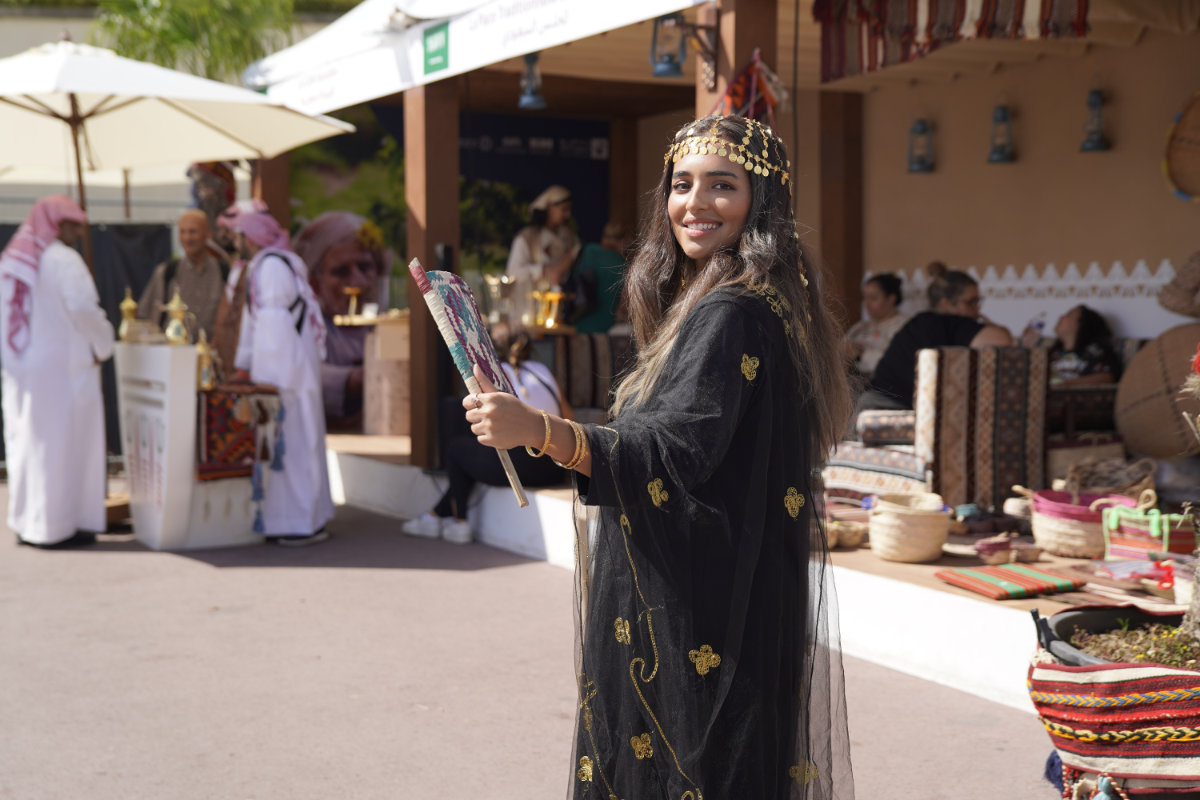
The visitors were welcomed to witness live cooking sessions, enjoy traditional music and shows, and taste authentic dishes and Saudi coffee. (ANFR)
At the foot of the Eiffel Tower, the Kingdom set up seven pavilions, making it one of the largest participants at the event — welcoming visitors to witness live cooking sessions, enjoy traditional music and shows, and taste authentic dishes and Saudi coffee.
“We have seven pavilions for Saudi Arabia to indicate all the regions and diversity of our cultural offerings,” said Badr, adding that one can experience all five regional Saudi coffees with a variety of dates.
She highlighted that 2022 has been dedicated as “The Year of Saudi Coffee” by the Kingdom’s Ministry of Culture.
Next to the coffee pavilion, there was an area dedicated to dates that offered date-based desserts such as qishd and mehalla.
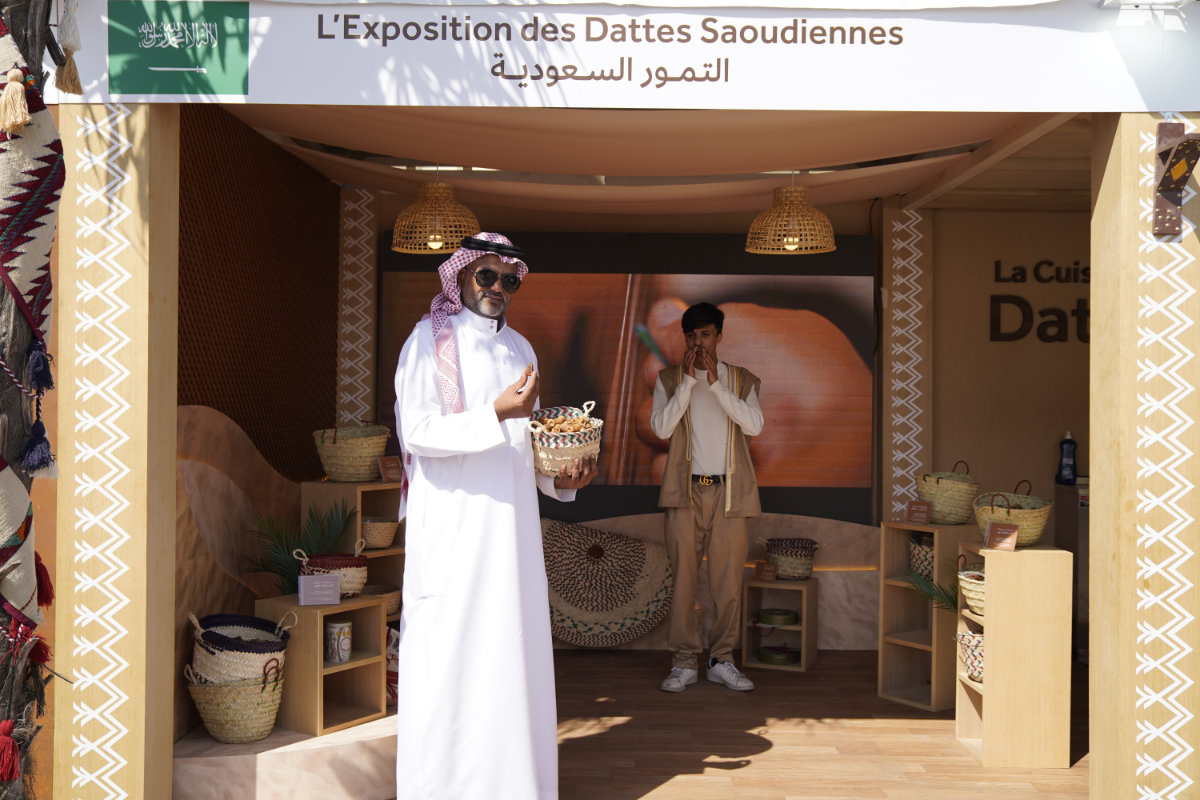
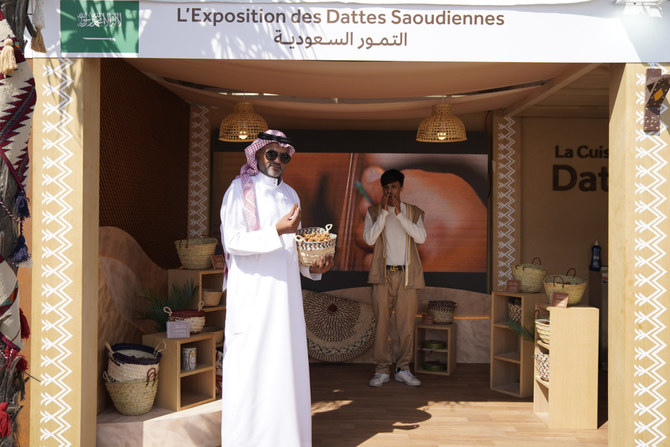
Two pavilions were devoted to Saudi dates, helping to introduce festival goers to the Kingdom’s rich heritage and highlight the large variety of dates that grow in the country. (ANFR)
Two pavilions were devoted to Saudi dates, helping to introduce festival goers to the Kingdom’s rich heritage and highlight the large variety of dates that grow in the country.
Badr said people assume that Saudi Arabia is all desert, but after visiting the pavilions, they understand that the Kingdom has coffee farms and grows mangoes and bananas.
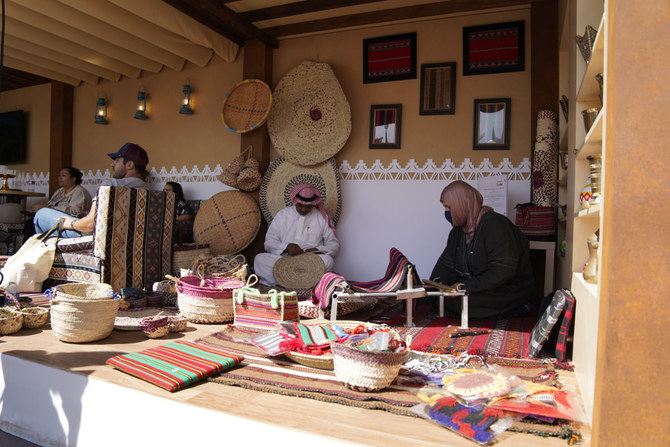
As well as a craftsmanship pavilion, there are culinary tents with the flavorsome aroma of jarish, banana mutabbaq, mandi and veggie markouk.
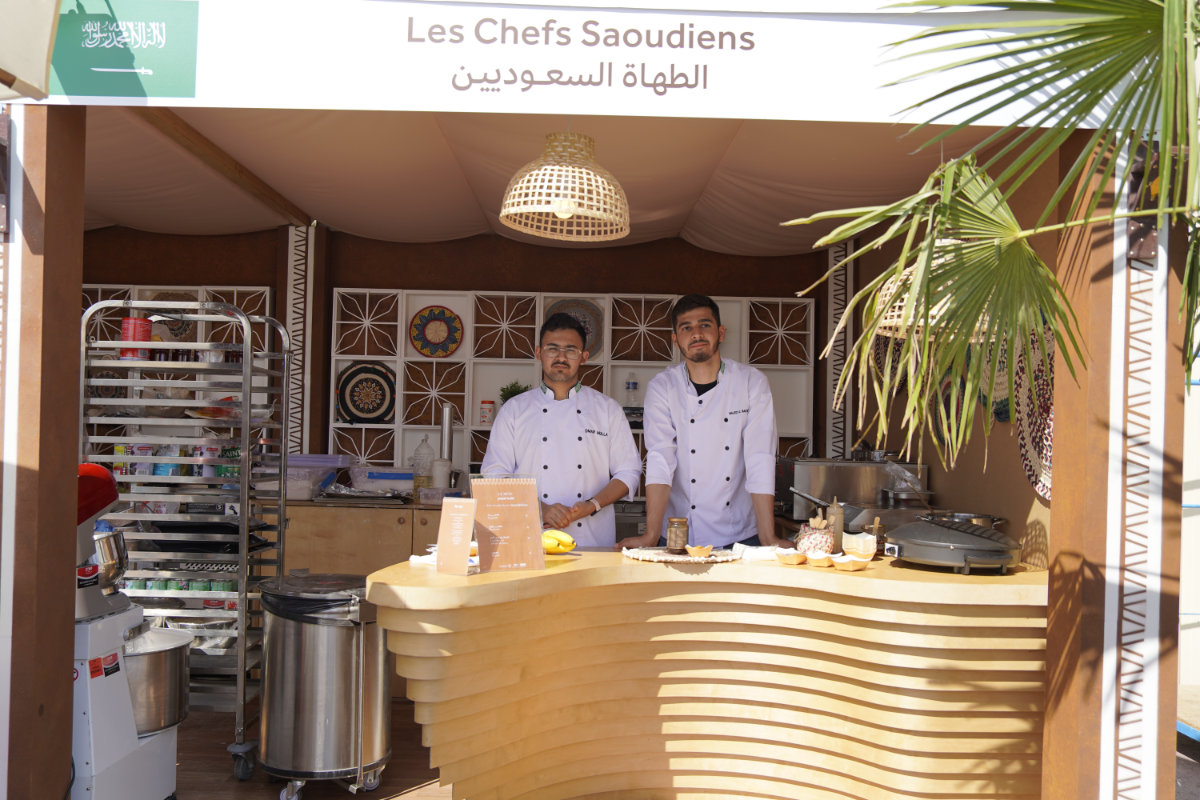
The visitors were welcomed to witness live cooking sessions, enjoy traditional music and shows, and taste authentic dishes and Saudi coffee. (ANFR)
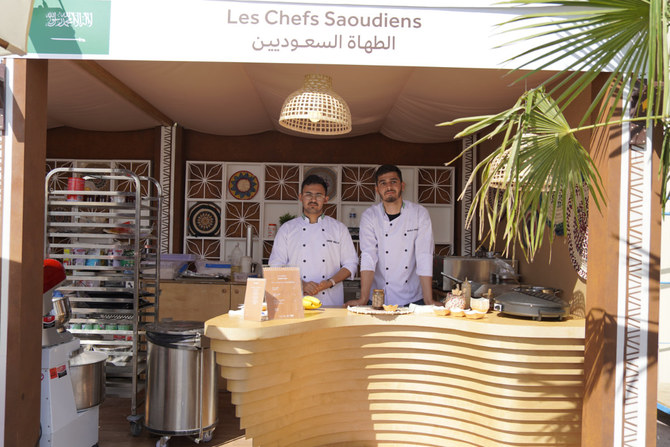
The Saudi chefs offered traditional mouthwatering dishes that you can find in Saudi homes, hence bringing a part of the Kingdom to the very heart of Paris.
When asked about jarish, Chef Carly told one visitor: “It is a traditional Saudi grandma’s dish. It is similar to risotto in a way, but instead of rice, we use cracked wheat. It can either be done with chicken or with tomatoes for a vegetarian option.”
After a good meal, it was time for some sweets. In another pavilion, chef Omar Mulla was busy preparing Saudi Arabia’s most loved luqaimat, magshush and masoub.
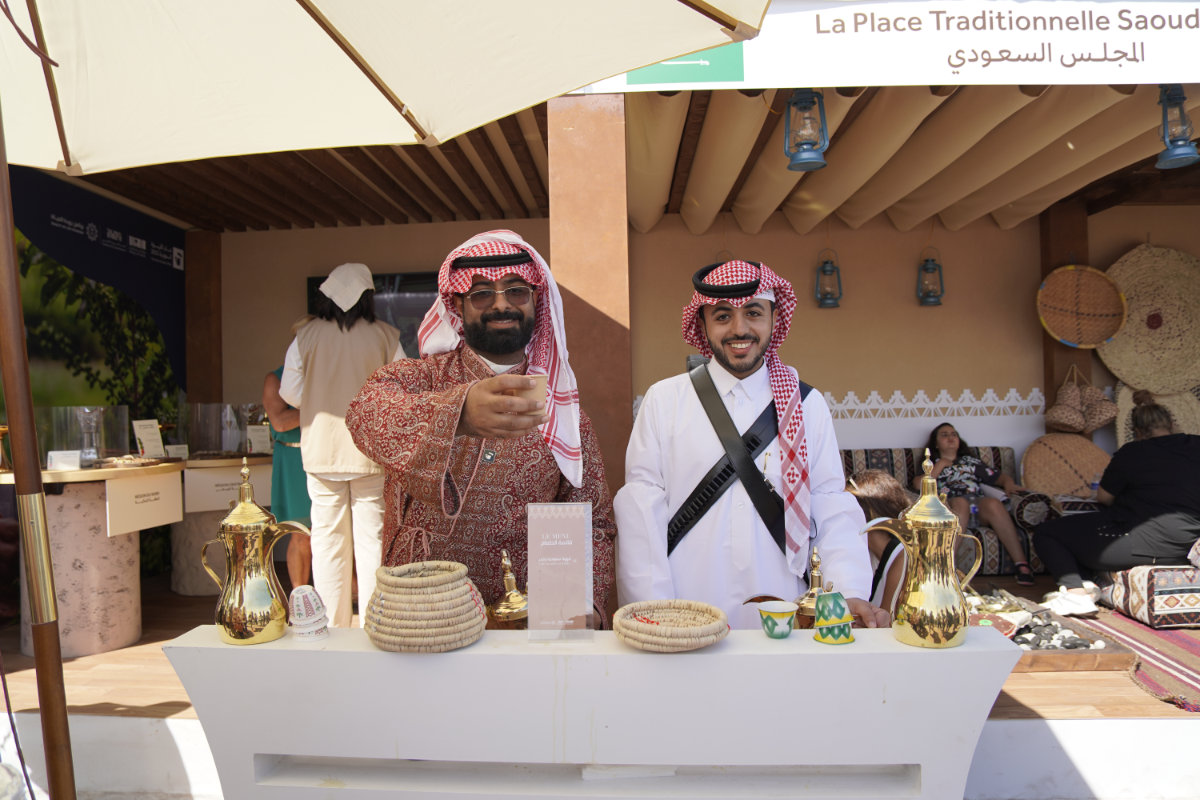
People assume that Saudi Arabia is all desert, but after visiting the pavilions, they understand that the Kingdom has coffee farms and grows mangoes and bananas. (ANFR)
While preparing freshly made sweets, he told Arab News that luqaimat, which translates into small bites, are fried little dumplings with sugar syrup and cardamom, crisp on the outside and soft on the inside.
Masoub is a famous sweet dish in the Hijaz, made from sajj bread, banana, honey and ashta. Maghough comes from Hail, where it is made with bread and date molasses.
When asked about future projects, Badr said there was a memorandum of understanding signed with Le Cordon Bleu to open a culinary school in Riyadh soon.


