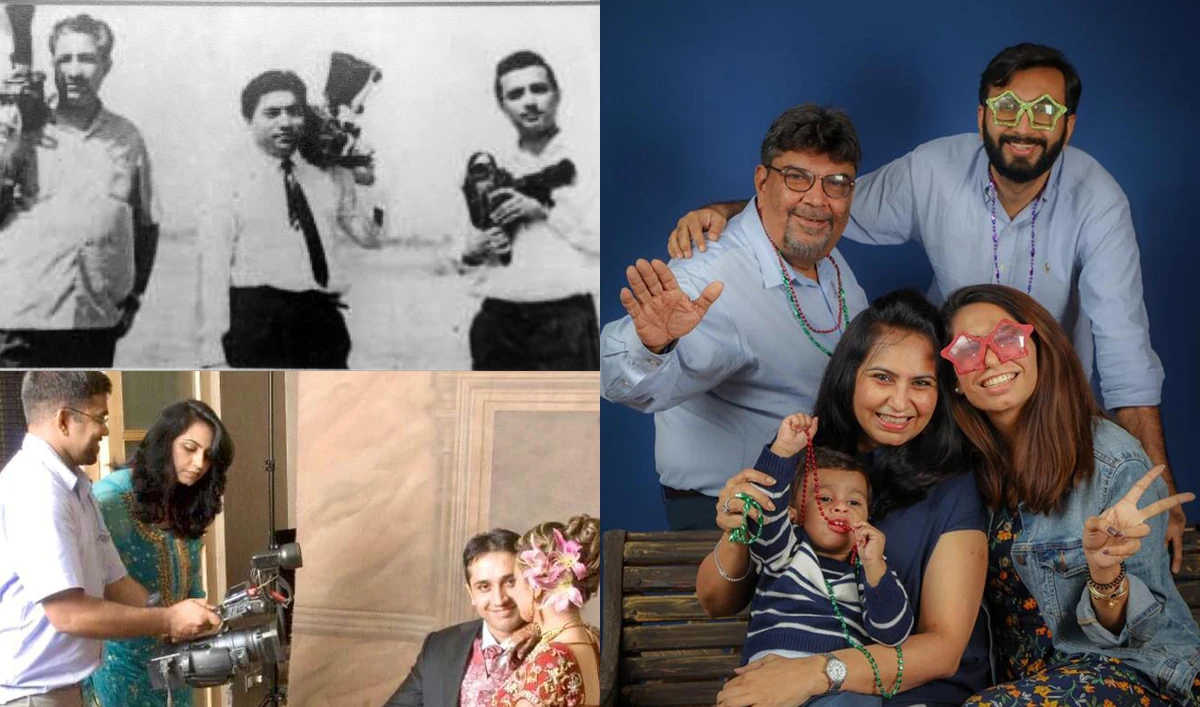
- Hakim Ally filmed the flag ceremony in 1971 after the UAE came into being as a federation
- Ally’s children are now successfully running the family studio and taking international assignments
DUBAI: The iconic photographs of a flag ceremony in 1971 after the United Arab Emirates (UAE) was declared an independent, sovereign and federal state were taken by none other than a Pakistani photographer.
Hakim Ally, who began his photography career in Karachi in 1959, captured the historic moment in the life of the emerging Gulf nation, setting in motion a path that would see two following generations of his family documenting significant events not only in the UAE but also Saudi Arabia and rendering services to the royal families of the two countries.
“My late father [Hakim Ally] and Noor Ali Rashid [another famous photographer] were friends,” Rafiq Ally, also a photographer, told Arab News earlier this month “When my father came to the UAE in 1971, [he] captured the symbolic footage of the union of the Emirates on 8mm reel which was a rare feat.”
Rashid, who proposed Ally’s name to cover the flag ceremony, was based in the Emirates since 1958 and taking photographs of their rulers. His recommendation was taken seriously, and Ally was hosted by the late UAE ruler, Sheikh Zayed bin Sultan Al Nahyan, as a state guest.
Ally had an impressive resumé by then, having launched his international career by photographing King Faisal bin Abdulaziz of Saudi Arabia on multiple occasions while continuing to maintain his base in Pakistan.
According to Rafiq, his son, Ally had a “humble beginning” and took up photography as a hobby before setting up Ruby Studio in Kharadar, Karachi, which he named after his daughter. It was also during the same period that Ally moved into film production and started making television commercials.
His children spoke of playing with his old cameras as toys.
“My father also covered the visit of Prince Karim Aga Khan to Pakistan with my elder brother after which I also got interested in the profession,” Rafiq said.
He recalled his own visit to the UAE two decades ago to meet his father’s old friend.
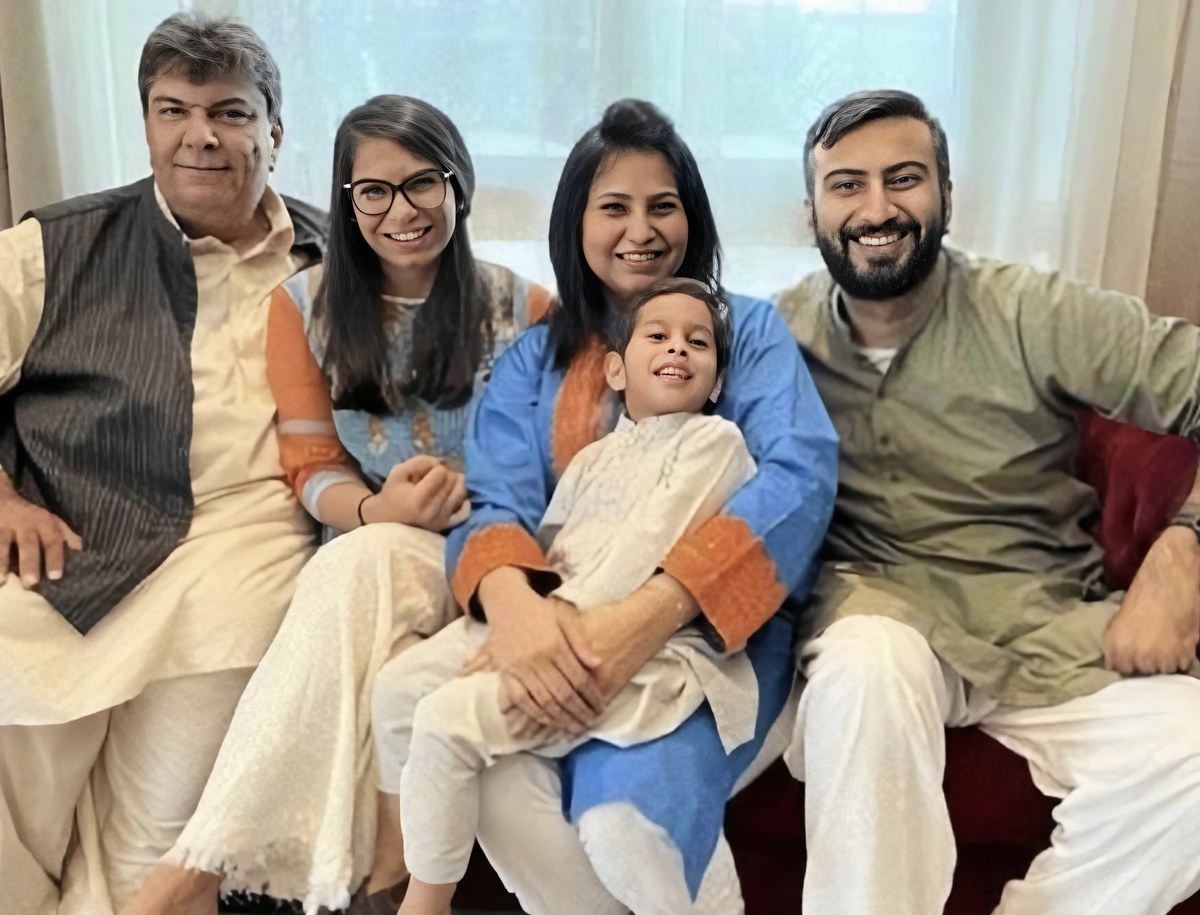
“When I met Noor Ali [Rashid], he asked me to stay in the UAE,” he said.
On Rashid’s advice, Rafiq began his career in the UAE, filming an Indo-Pak television production shot that was in Sharjah.
His wife, Shakila, trained in production techniques, joined him in the Gulf state and started helping him at their studio, Digitally. She also started covering weddings across the country soon after.
“It was needed at the time and I loved doing outdoors,” she told Arab News.
As their business spread, Rafiq’s children, Aroosa and Farhad, also joined their parent’s business.
The family was part of the team that captured the inauguration of Dubai Islamic Bank by Sheikh Mohammed bin Rashid Al Maktoum, the ruler of Dubai, in 2006.
So far, they have visited 30 countries to perform various assignments.
In 2017 and 2018, the family captured a gathering of over 150,000 people in Tajikistan, and about 100,000 people in Syria. They have also regularly covered events in Pakistan’s mountainous Hunza region.
“We have been part of landmark projects, both in Dubai and across the world,” Ally’s grandson Farhad, who heads business development for the company, told Arab News. His sister Aroosa is the creative director of the studio and takes care of most wedding events.
“I grew up eating food at weddings while my mom was at work,” she laughed. “So, it’s natural that I became part of the profession too.”