Myanmar’s Southeast Asian neighbors issued a stinging rebuke on Tuesday of the ruling military’s execution of four political activists, calling it “highly reprehensible” and destructive to regional efforts to de-escalate the crisis.
The 10-member Association of Southeast Asian Nations (ASEAN), which includes Myanmar, said it was “extremely troubled and deeply saddened by the executions,” as well as by their timing, just a week ahead of the bloc’s next meeting.
“While the complexity of the crisis is well recognized and the extreme bellicose mood can be felt from all corners of Myanmar, ASEAN as a whole has called for utmost restraint,” Cambodia, this year’s ASEAN chair, said in an unusually strong statement.
“The implementation of the death sentences just a week before the 55th ASEAN ministerial meeting is highly reprehensible,” it said, adding it showed the junta’s “gross lack of will” to support ASEAN’s UN-backed peace plan.
The military, which seized power in a coup last year, announced in state media on Monday that it had executed the activists for aiding “terror acts” by a civilian resistance movement, Myanmar’s first executions in decades.
The news triggered international outrage, with the United States, Britain, Australia, the European Union and senior United Nations officials accusing the junta of cruelty.
It was not clear when the executions took place, or which method was used. Family members on Monday said they were not informed of their loved ones’ executions beforehand, nor allowed to retrieve their bodies.
The executed men were among more than 100 people whom activists say have been sentenced to death in secretive trials by military-run courts since the coup.
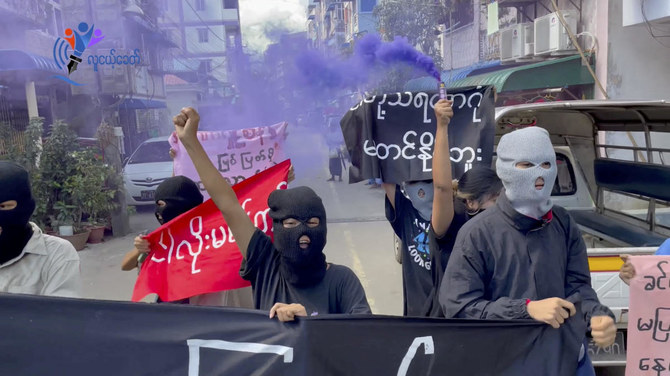
Authorities tightened security at the jail in the biggest city Yangon where the four men had been held, a human rights group said on Tuesday, following the global outcry and a demonstration by inmates over the execution.
A source from a prisoners support group said that a protest had taken place in the jail. News portal Myanmar Now said some inmates had been assaulted by prison authorities and about 15 of them were separated from the general population.
Lin Thant, a representative of Myanmar’s shadow National Unity Government, said its sources had confirmed there was also unrest in a jail in the city of Mandalay, where gunshots had been fired.
Spokespersons for Yangon’s Insein prison and the corrections department did not answer calls from Reuters.
The junta has yet to respond to the international criticism, but has previously accused the United Nations and western powers of meddling in its affairs. Its spokesperson was due to hold a regular news briefing later on Tuesday.
UN Special Rapporteur on human rights in Myanmar, Tom Andrews, said he was concerned about more executions. He said at least 140 people had been sentenced to death in Myanmar.
“And so there is every indication that the military junta intends to continue to carry out executions of those on death row, as it continues to bomb villages and detain innocent people throughout the country,” he said in an interview on Monday.


![]()

Myanmar’s ASEAN neighbors dismayed over ‘highly reprehensible’ executions
Short Url
https://arab.news/mrhuw
Myanmar’s ASEAN neighbors dismayed over ‘highly reprehensible’ executions
- ASEAN: ‘Extremely troubled and deeply saddened by the executions,’ as well as by their timing


Latest updates


© 2026 SAUDI RESEARCH & PUBLISHING COMPANY, All Rights Reserved And subject to Terms of Use Agreement.