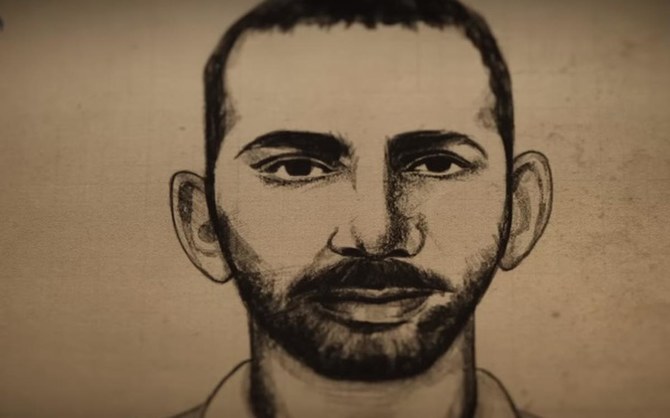
CHENNAI: The blazing popularity of true crime documentaries and exposes is by no means a modern phenomenon, but Netflix is fast becoming known as the go-to streaming platform for the dark genre today.
The latest documentary added to its slate is director Ayesha Sood’s “Indian Predator: The Butcher of Delhi,” which focuses on the heinous crimes of serial killer Chandrakant Jha in the 1990s.
Currently in the Top 10 section in the UAE, this Netflix documentary is dark and atmospheric, weaving together a story based on true events.
However, it is not as gripping as the likes of “Memories of a Murderer: The Nilsen Tapes,” “Evil Genius” or “The Serpent” as the narrative is often repetitive and lacks the dramatic ups and downs of a well-crafted criminal examination. “The Butcher of Delhi” features several interview subjects, including high ranking police officials and journalists offering their rather monotonous versions of Jha’s behavior and crimes.
While Sood does a good job presenting the killer’s desire to taunt Delhi’s police force — he always made sure to leave a bundle outside Gate 3 of the famously secure Tihar Jail and even left a note claiming credit — the director does not make enough effort to explore why Jha became such a monster. Instead, she takes the easy way out and makes her work voyeuristic, with the camera lingering on bloody body parts. All we know from the series is that Jha came from the Indian state of Bihar to Delhi as an impoverished laborer and faced police brutality. His victims were as poor as him but, unfortunately, the series does little to even attempt to find out why he zeroed in on his peers or why he actively sought to take credit for the brutal murders.
The director also fails to probe the killer’s history with the police as a possible motive for his crimes, which could leave some viewers pulling out their phones to do a little internet sleuthing of their own as the credits roll. And as far as true crime documentaries go, that should not be the case.