

ISLAMABAD: Pakistani health officials on Friday confirmed the 13th case of polio virus so far this year in the country’s northwestern Khyber Pakhtunkhwa province, the health ministry said.
The outbreak, after the first polio case of 2022 was registered in North Waziristan in April, is a blow to the South Asian nation’s efforts to eradicate the disease, which can cause severe paralysis in children.
So far, 12 cases of the virus have been reported in North Waziristan district, while latest has been detected in Lakki Marwat district.
“An 18-month child was paralyzed by wild polio in Lakki Marwat,” Pakistan’s health ministry said in a statement Friday.
“The child had onset of paralysis on 20 June and is suffering from disabilities in both lower limbs. This is the thirteenth case in Pakistan this year.”
All children paralyzed in Pakistan this year belong to southern parts of the province, the health ministry added.
Most people residing in Pakistan’s conservative northwest consider the polio vaccination a Western campaign aimed at sterilizing the country’s population.
In 2012, the local Taliban ordered a ban on immunization against polio in the country’s tribal areas bordering Afghanistan, while dozens of polio vaccinators and policemen have been killed in attacks on polio teams in the country.
In April, the South Asian country detected the first case of the debilitating disease after a gap of 15 months. In less than three months, Pakistan has reported 12 more cases.
“The virus remains contained in the districts at highest risk,” the statement quoted Health Minister Abdul Qadir Patel as saying.
“To interrupt virus transmission in southern Khyber-Pakhtunkhwa, we have started giving injectable vaccines due to higher acceptance of this form of immunization, as well as offering hygiene products such as soap to prevent the spread of all germs.”
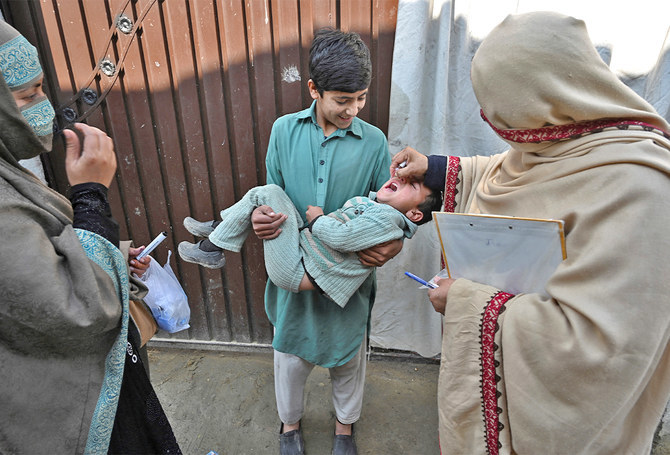
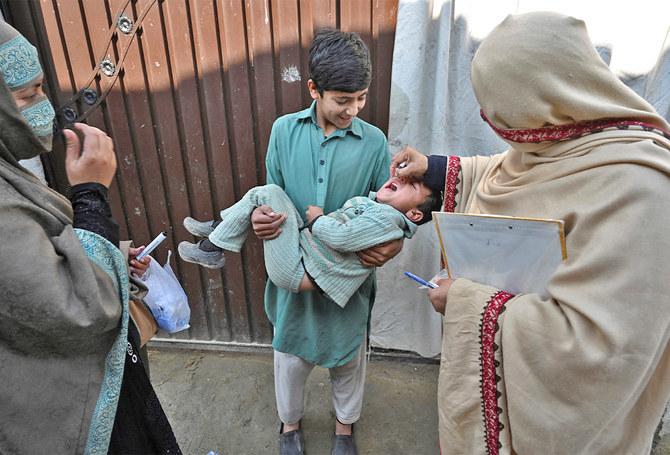
Pakistan has for the past 25 years carried out regular inoculation campaigns in which health workers go door-to-door to give polio drops to children. Most of the workers are women, as they can get better access to mothers and children. The anti-polio teams are often escorted by security forces.
So far this year, the government has carried out three nationwide anti-polio drives — in January, March and in May. During the March campaign, gunmen in northwestern Pakistan shot and killed a female polio worker as she was returning home after a day of vaccinations. And in January, gunmen shot and killed a police officer providing security for polio vaccination workers, also in the country’s northwest.
Pakistan and Afghanistan are the only countries in the world where polio remains endemic. In 2021, Pakistan reported only one case, raising hopes it was close to eradicating polio.


