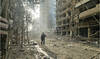
KARACHI: When she started “Sacrylicco” in 2019, Sara Mir was looking for a way to express her thoughts, but soon, with social media exposure, it turned into a project that established her as an artist of her own kind.
Born in Karachi, Mir was raised in Qatar. In her teens, she moved to Canada, where she later went to the university and graduated in chemical and biomedical engineering. Her education brought Mir into the US pharmaceutical industry, where she worked for over a decade, until she chose another path: art.
As she launched her artistic project, it eventually brought her to become a “full time artist now,” Mir told Arab News in a recent interview.
“Sacrylicco came into existence in October 2019, when the noise of thoughts, concepts, words, images of art that were swirling within my mind surged and became such that I needed to get them out on canvas,” she said. “When I started putting it up on social media, it got a life of its own and people started following and appreciating it.”
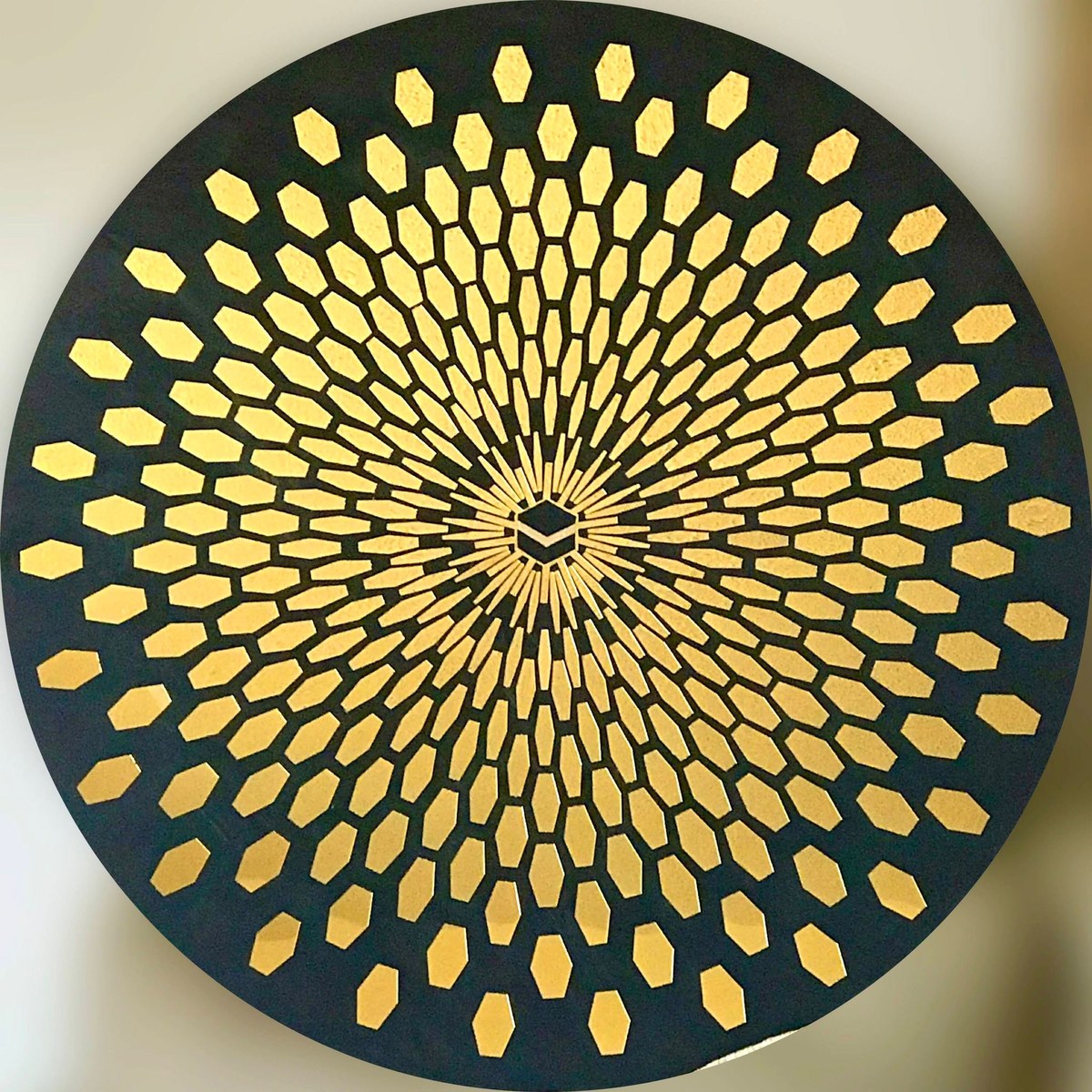
"Equality," a 30” wooden birchwood piece by Sara Mir, which features with the Kaaba in the center. Photo taken in December 2020. (Photo courtesy: Sara Mir)
The name “Sacrylicco” derives from “sacred acrylic contemplations.”
“The initial works of art were all created with acrylic medium and, as it still stands today, are deeply inspired by my faith, Islam,” Mir said.
Her works explore geometry, one of the major forms of Islamic ornament, which employs mathematically based decoration to lead the viewer to an understanding of the underlying reality.
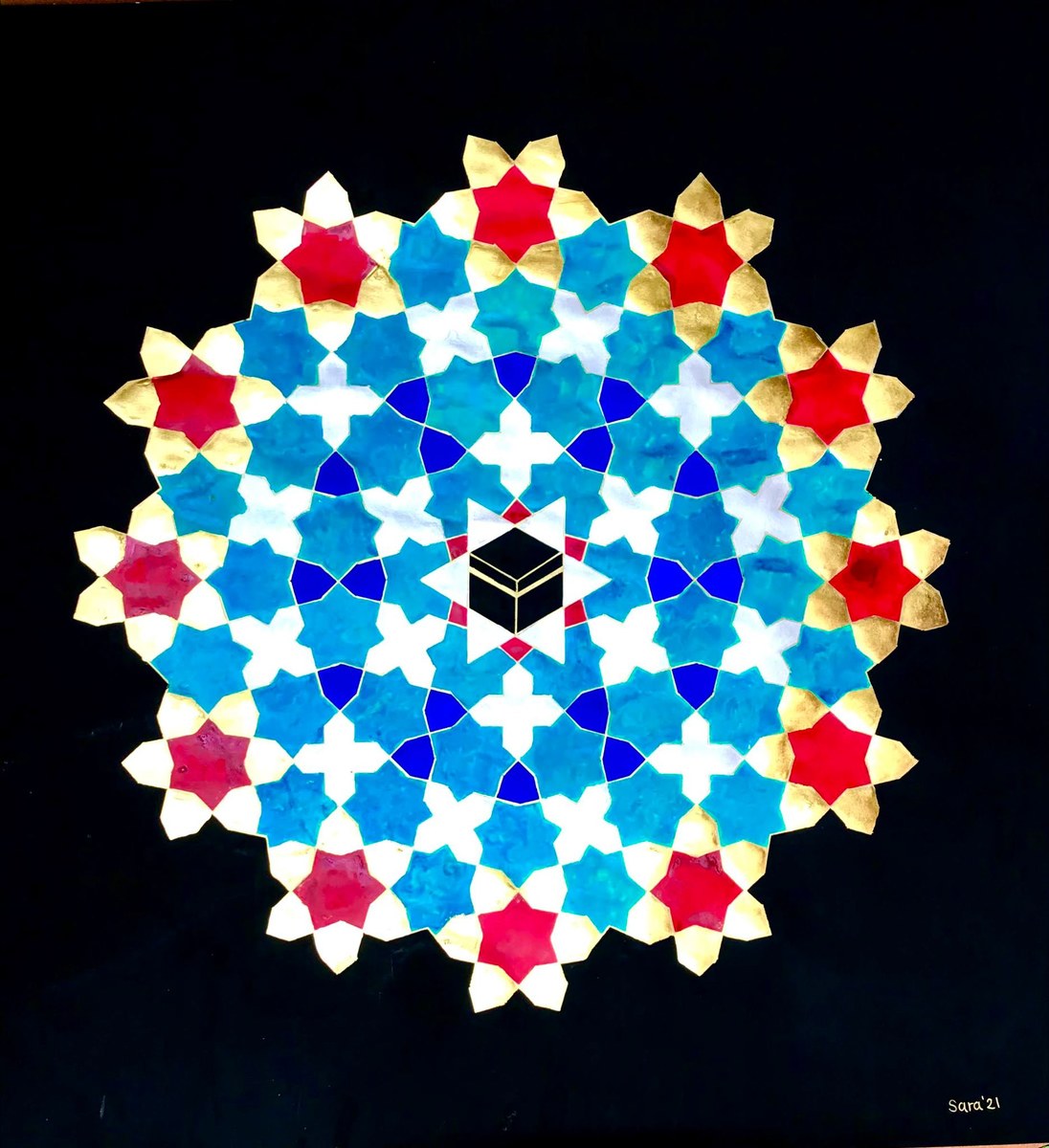
A 2021 artwork by Pakistani artist Sara Mir presents the Big Bang. (Photo courtesy: Sara Mir)
Self-taught artist, Mir tries to follow the rules developed by Muslim craftsmen for centuries.
“To create beautiful art, requires analytical, methodical thinking and underlying mathematical concepts,” she said. “This concept of everything in creation being interconnected and a sign of Divinity is a major feature within my works of art.”
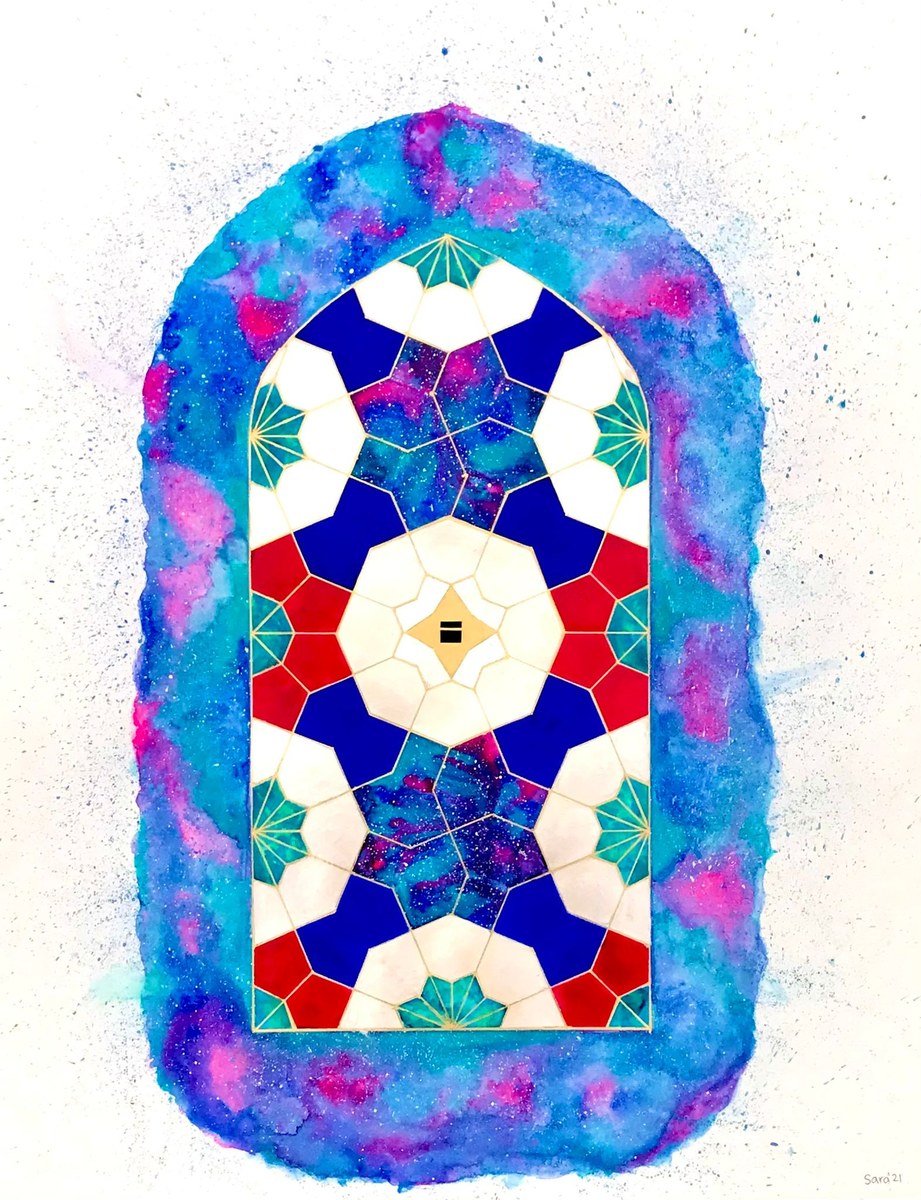
A 2021 artwork by Pakistani artist Sara Mir with the Kaaba in the center. (Photo courtesy: Sara Mir)
She began her artistic endeavor with traditional, basic tools such as paper, different types of paint — acrylic, watercolor, gouache — gold leaf. But when she was already more confident in her craft, she stared to experiment with different dyes, mirror tiles, diamond dust, and sand.
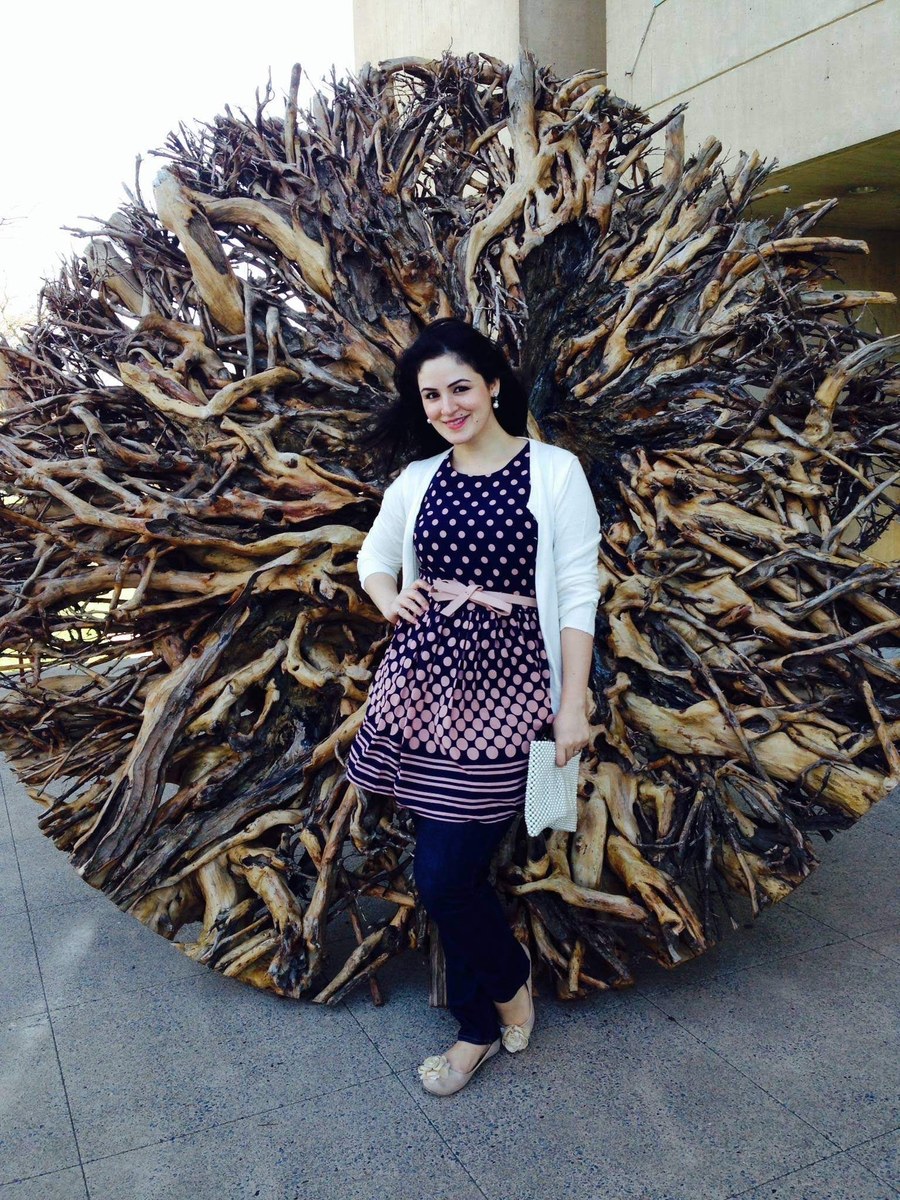
Sara Mir, a US-based Pakistani artist, who in her work explores Islamic geometry. (Photo courtesy: Sara Mir)
In her virtual gallery on Instagram, many of the works feature the Kaaba, the most sacred place of Islam, which has inspired Mir ever since visited it in childhood.
Other works include Qura’nic verses, sometimes Arabic calligraphy.
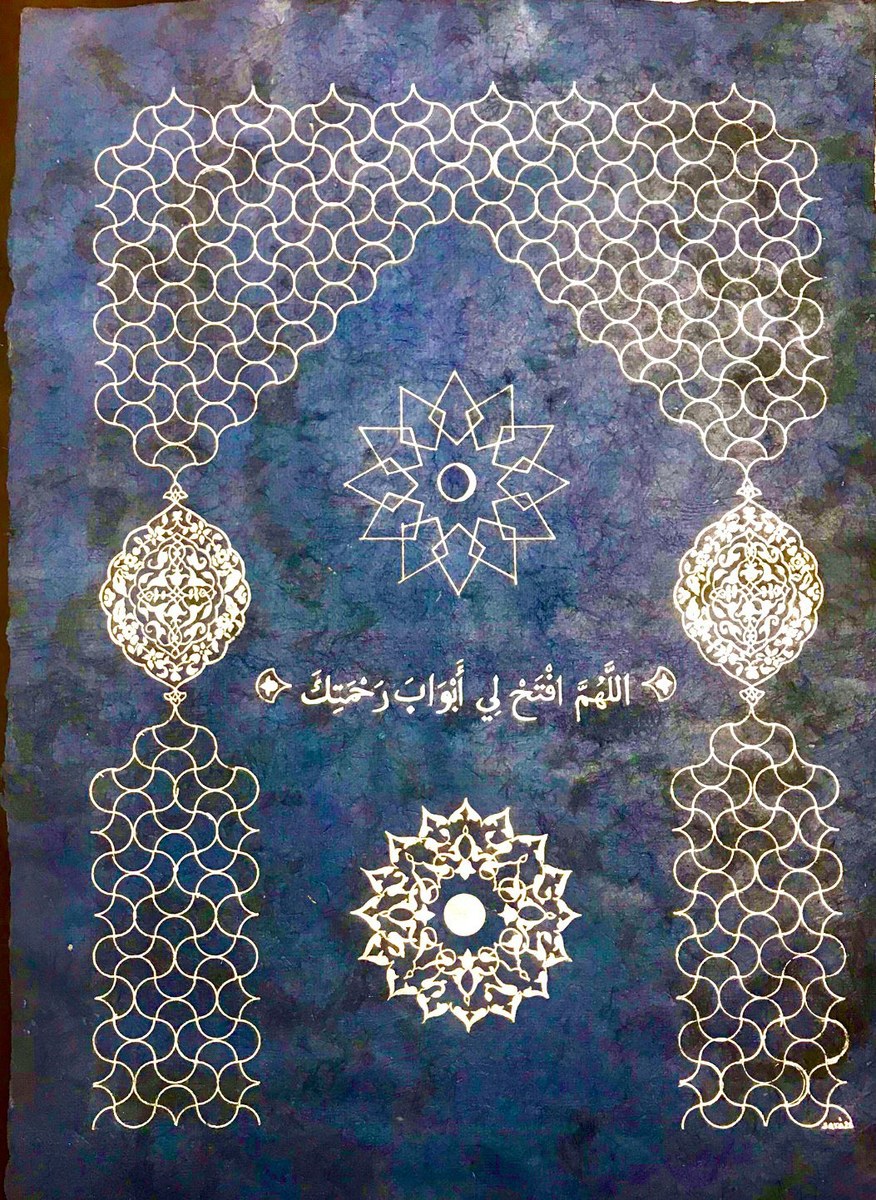
A 2021 artwork by Pakistani artist Sara Mir aligns arabesque, calligraphy and geometry. (Photo courtesy: Sara Mir)
“The process from idea to execution varies in that sometimes I see a pattern and within that pattern immediately ‘see’ the work of art I wish to create, and other times, I read something, whether a poem, a scientific fact or a Qur’anic quote and that sparks an idea for a work of art,” Mir said.
“I am acutely aware that I am simply a vessel, and all praise is due to Him who is Al-Hayyu ‘The Ever-Living,’ Al-Qayyum ‘The Sustainer of All Existence,’ Al-Haqq ‘The Absolute Truth.’”