JEDDAH: Saudi Arabia’s Ministry of Human Resources and Social Development on Tuesday announced that 100,570 volunteers had taken part in this year’s Hajj season to serve pilgrims in completing their rituals with ease.
The ministry also said that more than 35, 000 volunteer opportunities were available this year, and the initiatives are meant to contribute to achieving the Kingdom’s Vision 2030.
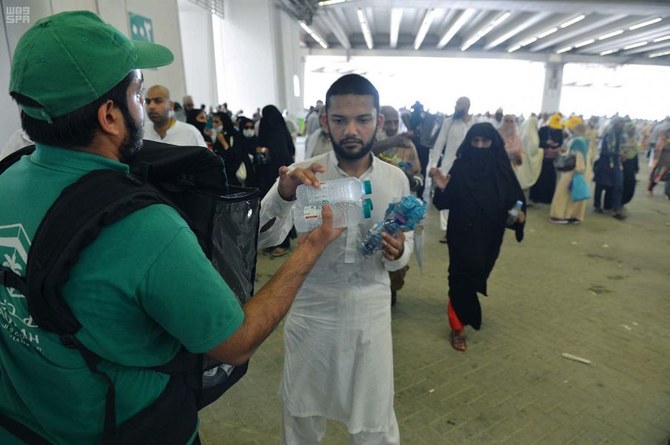
It added that the forms of volunteer work and assistance provided to the pilgrims during the Hajj season varied in a large number of areas, most notably health, organization, services, community, education, and awareness.
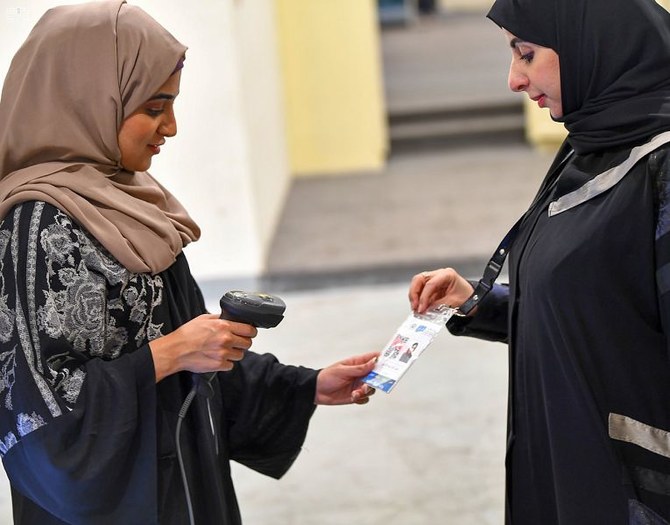
The ministry said that young men and women volunteers had been active in helping pilgrims in more than one location from the moment of their arrival, in coordination with the concerned authorities at land and sea ports, airports, grouping and screening points, all the way to the Grand Mosque and the holy sites in Mina, Arafat, Muzdalifah, and the central area surrounding the mosque.
They also aided in the pilgrims’ housing to provide them with all means of comfort without trouble or hassle.
The ministry is working to attract volunteers according to their experiences and skills to participate in initiatives in the Grand Mosque and the holy sites, to provide the best field, organizational, and hospitality services to pilgrims.
Their volunteer hours are added through the National Volunteer Work Platform and they are issued with a certificate in appreciation of their efforts and dedication.


![]()
![]()

More than 100,000 volunteers served pilgrims in this year’s Hajj: Saudi ministry
More than 100,000 volunteers served pilgrims in this year’s Hajj: Saudi ministry
- More than 35, 000 volunteer opportunities were available this year


Latest updates


© 2026 SAUDI RESEARCH & PUBLISHING COMPANY, All Rights Reserved And subject to Terms of Use Agreement.