In rare animal rights push, Pakistan government to work with PETA on ‘critical’ reforms

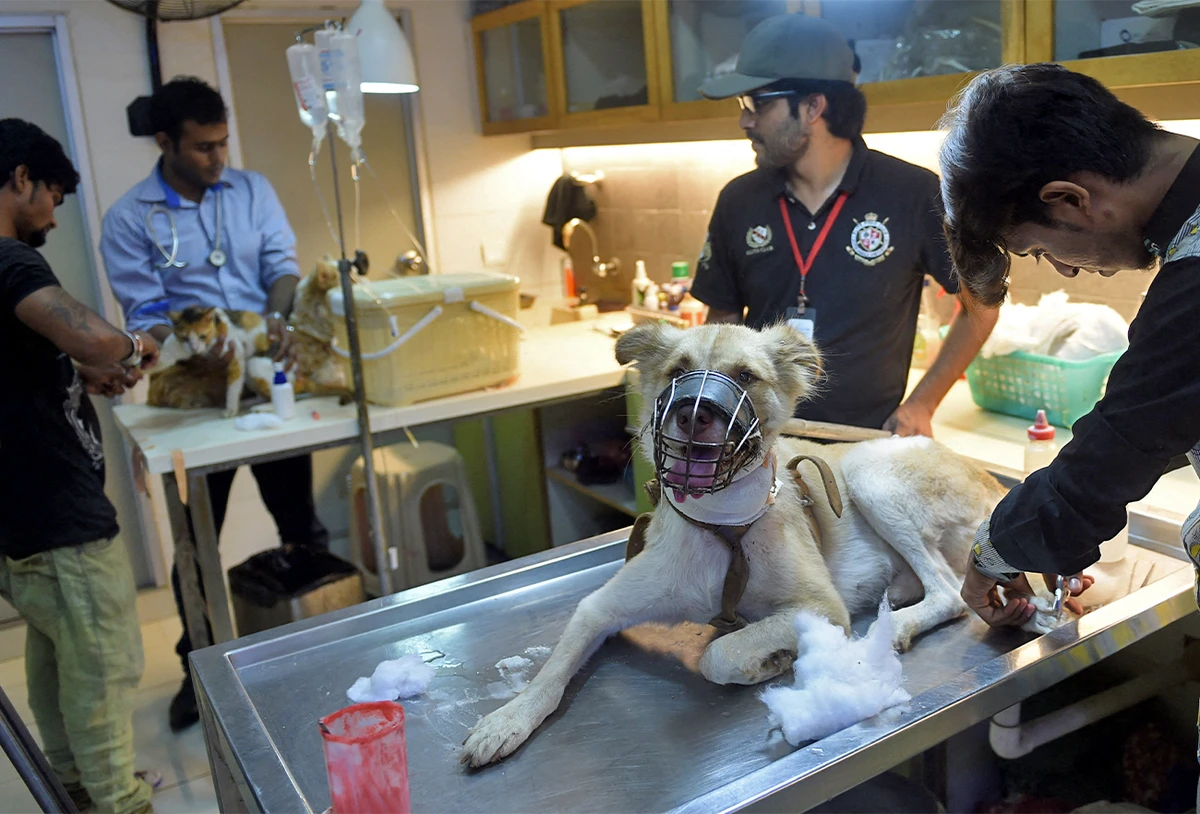
Pakistani veterinarians give treatment to a dog at the Animal Care Centre in Karachi on August 16, 2016. (AFP/File)
Short Url
Updated 01 July 2022
Follow

In rare animal rights push, Pakistan government to work with PETA on ‘critical’ reforms

  • Government on Thursday banned testing, surgeries on live animals at veterinary schools in Islamabad
  • Says will amend British-era law, replace it with “Pakistan’s first comprehensive animal welfare law”

ISLAMABAD: Shalin Gala, vice president at global animal rights advocacy group PETA, on Friday hailed “landmark” reforms in Pakistan that banned tests and surgeries on live animals for veterinary education, and said the organization would be working with the government on more critical reforms in training that would spare the lives of animals.

In a rare move to ensure animal rights in Pakistan, the government on Thursday banned testing and surgeries on live animals at veterinary schools and industrial complexes in the federal capital and announced a Rs15,000 ($73) fine and jail term for animal cruelty offenders.

The decision came after widespread outrage in Pakistan over videos that went viral in May showing animals in various states of distress after allegedly being operated upon by veterinary students. Activists and members of the public have widely condemned the practices and called for action.

At veterinary schools around the world, the practice of using live animals to teach surgery has been on the decline in the last decade. But an Arab News investigation published on June 10 quoted students and university management saying live animals were being used to teach surgical skills, though they added proper procedures were followed.

“Pakistan’s landmark reforms will ban tests and surgeries on live animals for veterinary education and shift to sophisticated humane methods,” Gala told Arab News.

He said PETA was “delighted” to have shared recommendations for improving veterinary training with Salman Sufi, head of Prime Minister Shehbaz Sharif’s Strategic Reforms Unit.

“We look forward to our upcoming meeting with him to discuss further critical reforms in biomedical research and training that will spare animals’ lives and benefit patients, alike,” Gala added.

On Thursday, the government banned live testing of animals at veterinary schools and industrial complexes in Islamabad, with Sufi announcing that the government would introduce amendments to a British-era law and replace it with “Pakistan’s first comprehensive animal welfare law.”

“Amendments for national level law are ready ... The bill will be tabled in the National Assembly during the next session [for debate and approval],” he said.

Citizens would now be able to report any acts of animal cruelty through a hotline and offenders would face fines of up to Rs15,000 as well as jail terms.

A standard set of guidelines was also going to be announced to regulate pet markets across the country, Sufi said, adding that violators would be fined and their shops closed.
Customs seize narcotics, smuggled goods, vehicles worth $4.9 million in southwest Pakistan

Updated 16 December 2025
Follow

Customs seize narcotics, smuggled goods, vehicles worth $4.9 million in southwest Pakistan

  • Customs seize 22.14 kg narcotics, consignments of smuggled betel nuts, Hino trucks, auto parts, says FBR
  • Smuggled goods enter Pakistan’s Balochistan province from neighboring countries Iran and Afghanistan

ISLAMABAD: Pakistan Customs seized narcotics, smuggled goods and vehicles worth a total of Rs1.38 billion [$4.92 million] in the southwestern Balochistan province on Tuesday, the Federal Board of Revenue (FBR) said in a statement. 

Customs Enforcement Quetta seized and recovered 22.14 kilograms of narcotics and consignments of smuggled goods comprising betel nuts, Indian medicines, Chinese salt, auto parts, a ROCO vehicle and three Hino trucks in two separate operations, the FBR said. All items cost an estimated Rs1.38 billion, it added. 

Smuggled items make their way into Pakistan through southwestern Balochistan province, which borders Iran and Afghanistan. 

“These operations are part of the collectorate’s intensified enforcement drive aimed at curbing smuggling and dismantling illegal trade networks,” the FBR said. 

“All the seized narcotics, goods and vehicles have been taken into custody, and legal proceedings under the Customs Act 1969 have been formally initiated.”

In the first operation, customs officials intercepted three containers during routine checking at FEU Zariat Cross (ZC) area. The containers were being transported from Quetta to Pakistan’s Punjab and Khyber Pakhtunkhwa provinces, the FBR said. 

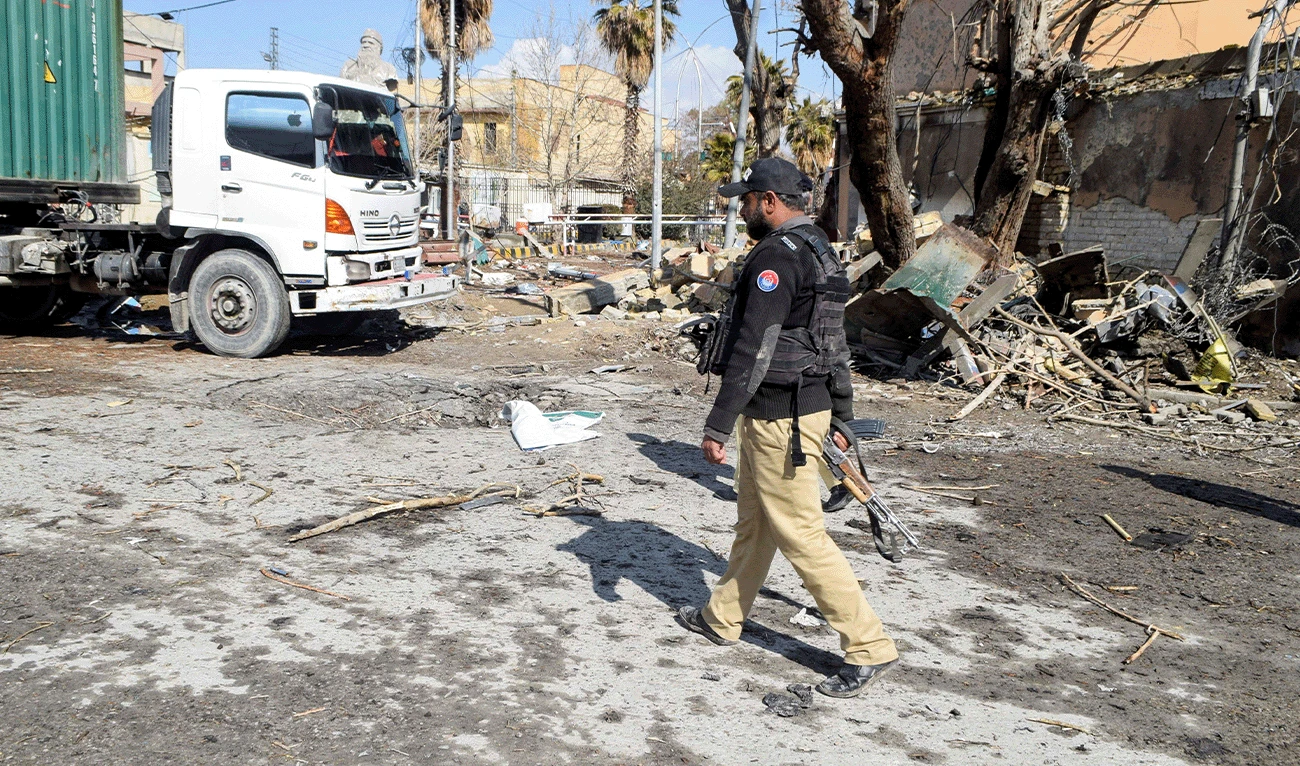
The vehicles intercepted included three Hino trucks. Their detailed examination led to the recovery of the smuggled goods which were concealed in the containers.

In the second operation, the staff of the Collectorate of Enforcement Customs, Quetta, intercepted a ROCO vehicle at Zariat Cross area with the local police’s assistance. 

The driver was interrogated while the vehicle was searched, the FBR said. 

“During interrogation, it was disclosed that drugs were concealed inside the spare wheel at the bottom side of the vehicle,” it said. 

“Upon thorough checking, suspected narcotics believed to be heroin was recovered which was packed in 41 packets, each weighing 0.54 kilograms.”

The narcotics weighed a total of 22.14 kilograms, with an estimated value of Rs1.23 billion in the international market, the FBR concluded. 

“The Federal Board of Revenue has commended the Customs Enforcement Quetta team for their effective action and reiterated its firm resolve to combat smuggling, illicit trade and illegal economic activities across the country,” it said.