RIYADH: The King Salman Global Academy for the Arabic Language, under the patronage of Prince Badr bin Abdullah bin Farhan, minister of culture, organized the closing ceremony of the “Arabic Hackathon” in Riyadh on Saturday, with 22 teams winning in various competitions.
The competition aims to develop technical solutions to benefit from the components of the Arabic language, which the KSAA launched to create technical solutions and digital platforms. It also aims to provide specialized tools that serve Arabic and improve its position among the world’s living languages.
A total of 151 projects submitted by more than 1,030 participants from 40 countries around the world compete to win awards totaling more than SR1 million ($270,000), distributed over 22 prizes.
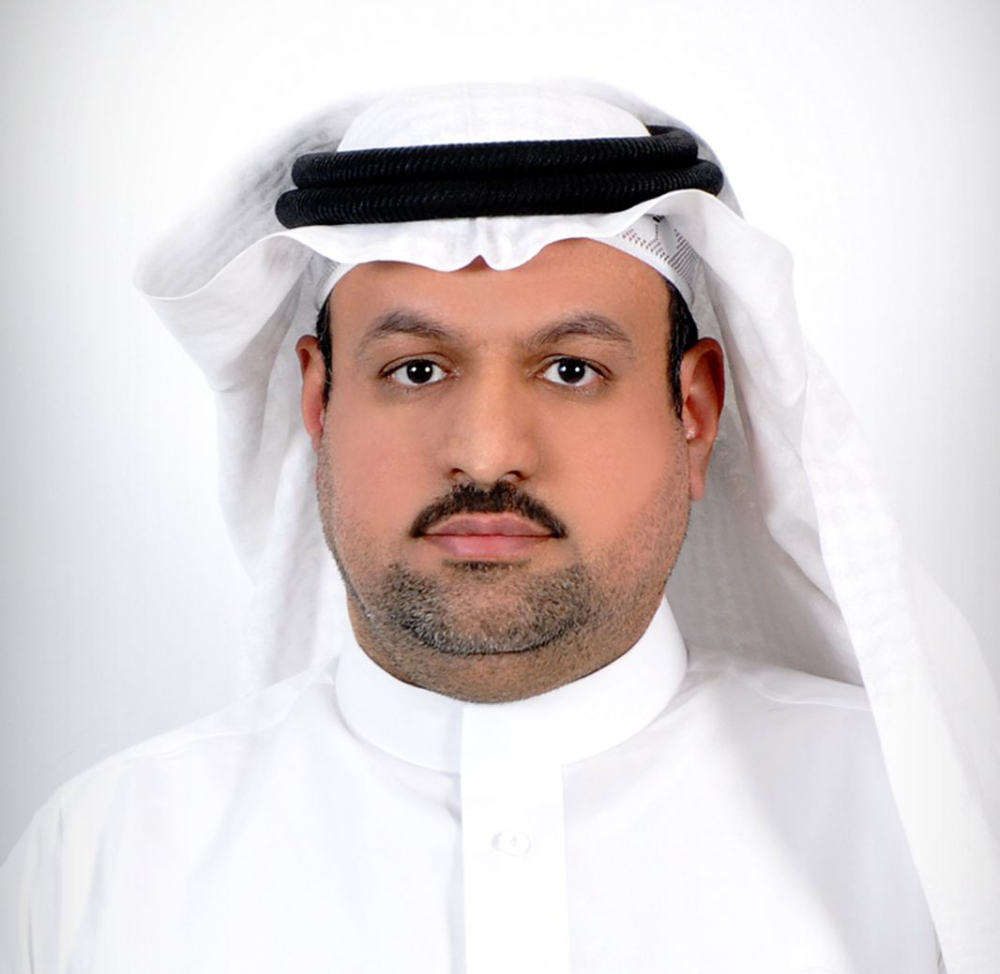
Abdulrahman Aljasir, member of the Literary Club Council in Riyadh
Of the 22 prizes, 12 are allocated for the first three tracks, including the Arabic poetry challenge, lexicon challenge, and the challenge of language games for children, with four prizes for the first four places in each track.
The other 10 prizes are distributed to winners of each innovative idea project, with two prizes for each project.
The award’s criteria include accuracy of the application in providing results and outputs, and the impact and added value of the idea.
The closing ceremony included an exhibition in which the Arabic programs’ strategic partners presented technological aspects and demonstrated their impact on the attention given to the Arabic language.
The prize aims to raise the status of the Arabic language, to recognize the efforts of individuals and institutions serving it and to encourage their renaissance. The prize also enhances the belonging of the people of the Kingdom in particular and the Arab people in general to their identity, and encourages them to preserve the integrity of the Arabic language and to develop new ways to use it.
The prize is intended for government and private institutions, as well as individuals with an interest in Arabic. It is divided into four categories: Teaching and learning Arabic, computing Arabic and serving it with modern technologies, research and scientific studies of Arabic, spreading linguistic awareness, and creativity of linguistic community initiatives.
Abdulrahman Aljasir, a member of the Riyadh Literary Club’s board of directors, told Arab News that this type of award strengthened communication between cultural institutions and the recipient, and between language as an identity and society in the hierarchy of its generations and segments.
“It also reflects an important role for the KSAA by reaching the ordinary non-specialized recipient, which in my opinion is very important,” he said.
“Our language is beautiful by nature,” Al-Jasser said.
Educational and cultural institutions, as well as relevant authorities, should play a role in instilling a love for the Arabic language, he said, as well as “the family when they understand the importance of cherishing the language and that it is part of identity and personal development.”
Al-Jasser said that one of the most important outcomes of the project is the support of Arabic and linguistic content, whether at the library or the virtual network level, as well as the entry of the Arabic language into the world of games and software.
This constituted “a real pioneer if done in a way that appeals to the new generation,” he said.