

Public health, government’s tax revenues at risk as Philip Morris executive expects Saudi illicit tobacco sales at 25%

Short Url
Updated 08 June 2022
Follow

Public health, government’s tax revenues at risk as Philip Morris executive expects Saudi illicit tobacco sales at 25%

RIYADH: Illicit trade makes up 17-25 percent of the tobacco market in Saudi Arabia, posing a danger to public health and resulting in billions of lost revenue for the government, said a top executive at Philip Morris International.

“The illicit tobacco trade is a source of funding for organized crime networks to fund illicit activities such as drug trafficking, money laundering, and even terrorist activity in some areas,” Philippe Van Gils, the regional head of illicit trade prevention for the Middle East at Philip Morris International, told Arab News.

Opinion

This section contains relevant reference points, placed in (Opinion field)

“It’s a big problem. Billions are going into the pockets of illicit organizations instead of the governments where the latter could use the money for development and other purposes,” Van Gils said.

In terms of public health, the situation isn’t any better. Illicit traders often sell counterfeit tobacco products that may have the logo of a well-known brand but are fake products that “don’t respect any sort of sanitary standards in manufacturing or shipping,” he said.
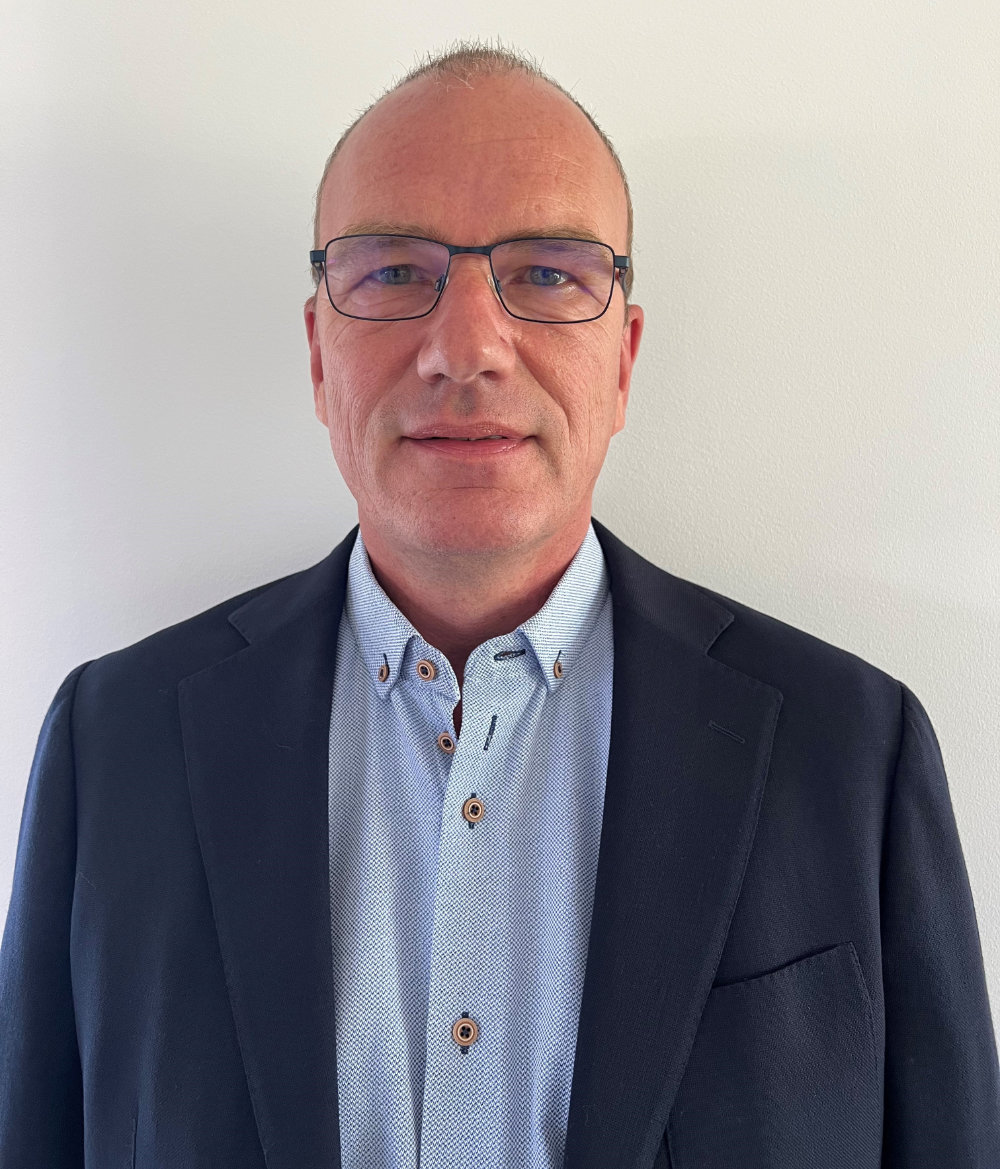


Philippe Van Gils, Philip Morris International's head of illicit trade prevention for the Middle East. (Supplied)

Van Gils said that action must be taken to address this issue in three key areas: awareness, collaboration, and technology.

He stressed the importance of building awareness of the issue in the private sector and among consumers.

“I think the private sector must raise awareness to governments and consumers regarding the issue. At the end of the day, we are fighting this issue to protect consumers,” he said.

Van Gils also said that collaboration is crucial due to the magnitude of the problem, “no one can fix this issue alone; it requires a public-private partnership,” he said.

It’s a big problem. Billions are going into the pockets of illicit organizations instead of the governments where the latter could use the money for development and other purposes

Philippe Van Gils, PMI's head of illicit trade prevention

He further said that the private sector could address this issue using technology and better controls on their supply chain operations.

“It’s about knowing your customers, monitoring the volume of products you sell to ensure it responds to legitimate demand and leveraging technology to track your product down the supply chain,” he said.

On the government side, Van Gils said it’s about “putting effective regulations in place and ensuring enforcement of those regulations.”

However, he admitted one of the challenges is helping authorities identify illicit products from genuine ones.

Our position is that if you don’t smoke, don’t start. But if you can’t quit, switch to better alternatives that are now available thanks to technological advancements

PMI's Philippe Van Gils

He said Philip Morris International held several training sessions this year, including for the Saudi Authority for Intellectual Property, to curb the menace.

Van Gils said that the COVID-19 pandemic accelerated illicit trade on the dark web.

“Due to the pandemic, everything went more digital, and illicit traders benefited from that,” he said.

He said the solution is to reduce illicit tobacco while promoting better alternatives, specifically heated tobacco products such as e-cigarettes.

“Our position is that if you don’t smoke, don’t start. But if you can’t quit, switch to better alternatives that are now available thanks to technological advancements,” added Van Gils.


Six vital sectors drawing US investors to Saudi Arabia 

Updated 4 sec ago
Follow

Six vital sectors drawing US investors to Saudi Arabia 

RIYADH: Six vital sectors are drawing US investors, including entrepreneurs and small businesses, to Saudi markets as the Kingdom continues to develop its regulatory framework and foster innovation, Deborah Lehr, interim CEO of the Meridian International Center, said in an interview with Al-Eqtisadiah. 

Lehr, who is heading a trade and investment delegation to Saudi Arabia in her capacity as an economic advisor affiliated with the White House, stated that the six sectors include hospitality, luxury goods, and tourism, as well as culture, technology, and others. 

She noted that Saudi Arabia has significantly eased the process for foreign companies to establish a presence, a critical factor for small and medium-sized enterprises that may not yet have the scale to expand, making the Kingdom an attractive market for both large and innovative small companies. 

Following the success of the Saudi Crown Prince’s recent visit to Washington, she said, Meridian organized a US trade delegation to explore tangible and growing opportunities for US businesses in Saudi Arabia. 

Translating Vision 2030 priorities into real partnerships 

The delegation, which included representatives from Delta, Intel, Pernod Ricard, and Basilinna, among others, met a wide range of government officials, private-sector leaders, and entrepreneurs to explore how US companies can participate in Saudi market growth. 

According to Lehr, discussions were practical and forward-looking, focusing on translating Vision 2030 priorities into real business partnerships. 

She highlighted that most of the companies in the delegation were large enterprises operating across various sectors, underscoring the diversity of businesses active in Saudi Arabia. 

She pointed out that these companies joined the mission because they see the potential to scale their operations in Saudi Arabia — whether by increasing flight routes, enhancing airport security, offering advisory services to firms entering the Saudi or US markets, or exploring opportunities in the beverage sector. 

Relationship increasingly taking economic dimension 

Lehr hinted to the Saudi minister of investment that the US-Saudi relationship is also increasingly taking on an economic dimension. 

She noted that bilateral trade stands at around $40 billion, compared with Saudi-China trade of approximately $110 billion, highlighting untapped growth potential between the two countries, especially as diplomatic and political ties continue to strengthen. 

She said the reforms present valuable opportunities for US companies across multiple sectors, including advanced manufacturing, technology and logistics, as well as aviation, tourism and culture, alongside a wide range of services. 

With the regulatory environment being modernized and business stability increasing, the scope of US investment is set to expand further. More importantly, she added, the greater the engagement of companies, the stronger and more resilient the bilateral relationship will become in the years ahead. 

She emphasized that Saudi Arabia has undergone deep social and economic transformations, including increased female participation in the workforce and entrepreneurship, while emerging as a cultural hub with a thriving arts scene and new platforms for creative expression. 

Lehr further said that the world will witness growing global interest from companies and institutions eager to be part of Saudi Arabia’s remarkable transformation, amid increasing openness and a willingness to share its history, culture, and ambitions with the world. 

Saudi agenda offers tangible opportunities  

Lehr highlighted that during her visit, she focused on three key economic priorities. The first is Saudi Arabia’s strategic shift of capital from the oil and gas sector toward technology and innovation, a move that signifies not only economic diversification but also the Kingdom’s emergence as a globally competitive player. 

Second, the Kingdom’s reform agenda has provided tangible opportunities for foreign companies, reflecting real changes that facilitate international participation in Saudi growth. 

The third point she focused on was that the strong geopolitical and economic ties between the US and Saudi Arabia have bolstered investor confidence. As the Kingdom strengthens its global role and deepens relationships with partners such as the US, its attractiveness for long-term foreign direct investment continues to grow. 

She noted that sectors such as artificial intelligence, gaming and entertainment, advanced manufacturing, and the technology ecosystem are areas in which the US has strong competitive advantages, at a time when US firms are seeking new markets that offer stability and long-term potential. 

Giga-projects in Saudi Arabia, including AlUla and NEOM, have attracted global attention and highlighted emerging opportunities across the country. 

These projects demonstrate the Kingdom’s ambitious vision and its creation of entirely new sectors rather than merely expanding existing ones.