

Saudi Heritage Commission links local products with international market

1 / 3
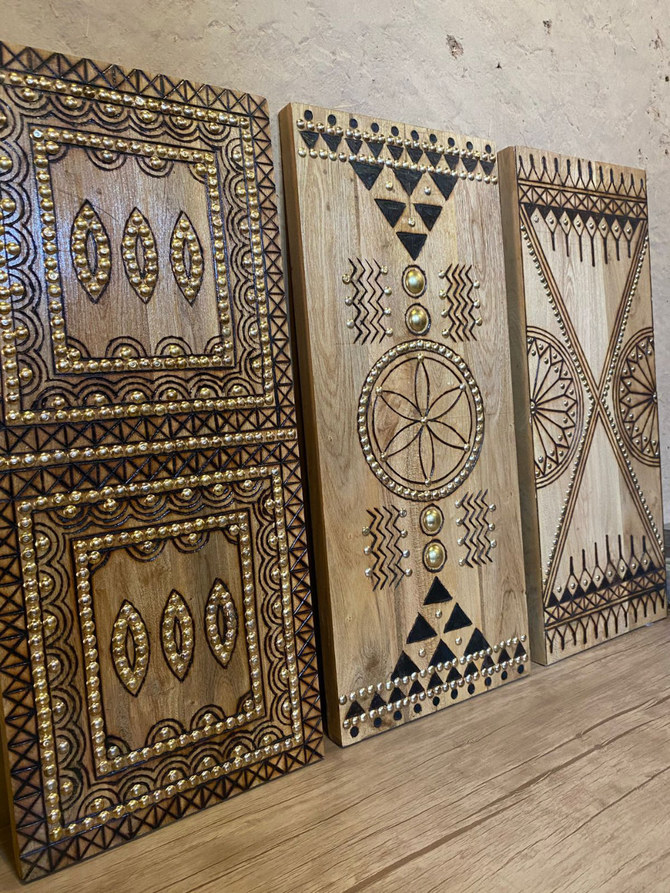
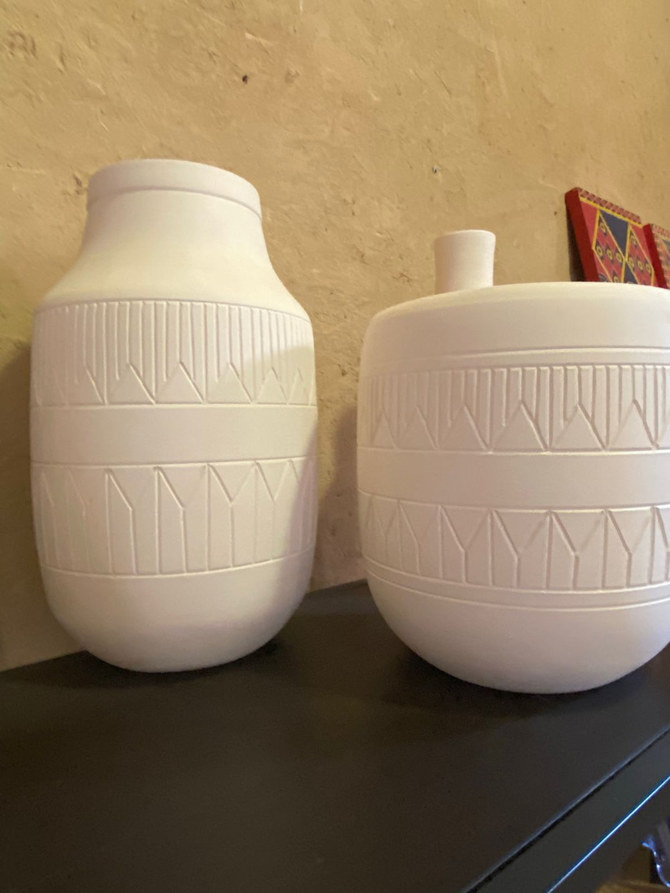
Saudi Heritage Commission supports entrepreneurs who venture into projects focusing on traditional crafts and handmade crafts in the country. (Supplied/Saudi Heritage Commission)
2 / 3
Saudi Heritage Commission supports entrepreneurs who venture into projects focusing on traditional crafts and handmade crafts in the country. (Supplied/Saudi Heritage Commission)
3 / 3
Saudi Heritage Commission supports entrepreneurs who venture into projects focusing on traditional crafts and handmade crafts in the country. (Supplied/Saudi Heritage Commission)
Short Url
Updated 02 June 2022
Follow

Saudi Heritage Commission links local products with international market

  • The participants discussed how to invest optimally in the initiative of craftsmen houses in various regions of Saudi Arabia

RIYADH: The Saudi Heritage Commission links local products with the international markets, CEO Dr. Jasir Alherbish said during an open virtual meeting organized by the commission on Thursday.

“Some products have been registered while others have not. If they are not linked to the market, it will be a heavy burden on the commission and the owner of the product,” he said.

At the meeting, which was attended by specialists and those interested in crafts and handicrafts in Saudi Arabia, Alherbish commended the Saudi craftsmen who work hard to achieve the highest practical standards in the crafts and handicrafts sector.

He urged the specialized craft authorities to register in the Ministry of Culture’s platform for procurement, “Etimad,” to ensure that they receive invitations for participation and meetings of the sector and its developments. 
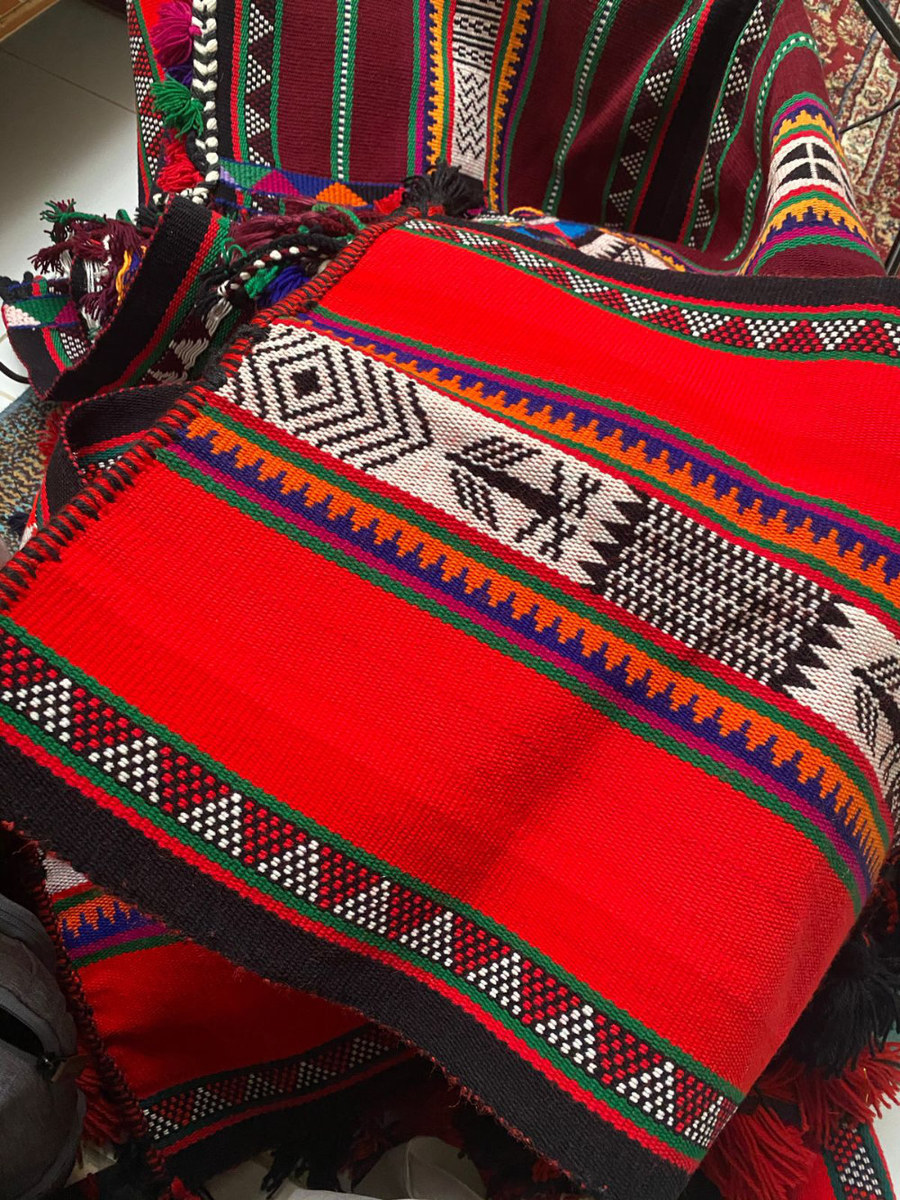


Saudi Heritage Commission supports entrepreneurs who venture into projects focusing on traditional crafts and handmade crafts in the country. (Supplied/Saudi Heritage Commission)

He said the demand for art products is currently “significantly parallel” with production volume. Many government and private entities require the presence of gifts and souvenirs representing national civilizations and cultures, emphasizing that the state’s support has not overlooked these important heritage tracks and that the commission “is in full agreement with the support and financing bodies to issue approvals.”

The meeting discussed the commission’s most important strategic pillars in terms of protecting the cultural wealth portfolio and archaeological sites, promoting research and talent development, utilizing digital technologies in the heritage value chain, and working through large-scale partnerships at the local and international levels.

“In addition to the basic fields of crafts and handicrafts such as wooden, metal, pottery, leather, textile, and many others that reflect Saudi heritage and culture, we are also interested in establishing partnerships and agreements with local and international market leaders and documenting this cultural profession that contributes to preserving our national heritage,” he said. 
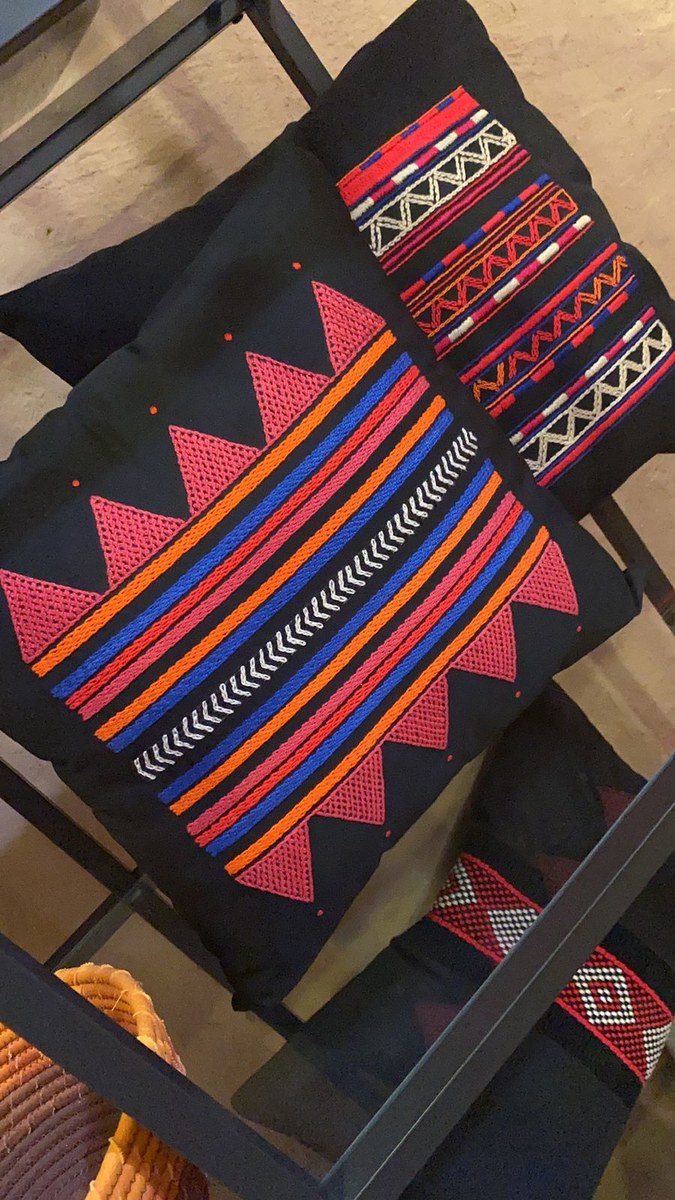


Saudi Heritage Commission supports entrepreneurs who venture into projects focusing on traditional crafts and handmade crafts in the country. (Supplied/Saudi Heritage Commission)

Dr. Delayel Al-Qahtani, the director of studies and research department at Atharna, said the Kingdom has an original artistic heritage stemming from its diverse culture and environments that reflects its distinguished position. Crafts and handicrafts are among the most prominent elements of the heritage that form part of the society’s culture in the country.

She said that preserving and documenting these is “one of the priorities” to protect the elements of national identity.

Dr. Dalia Alyahya, head of the handcraft sector at the Heritage Commission, highlighted the sector’s massive documentation projects in the studies and research department. This includes the launch of the encyclopedia of traditional crafts in the Kingdom, which provides much scientific research on traditional crafts in Saudi Arabia, dozens of photographs and approximately 30 films documenting traditional tools and practices of the craft. 
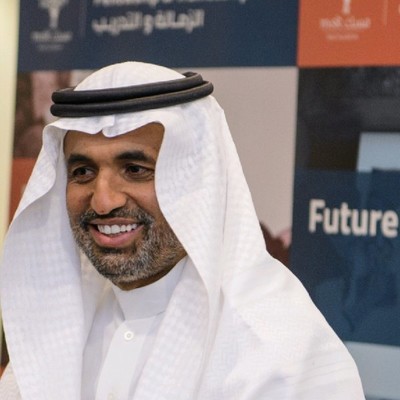


Dr.Jasir Alherbish, CEO of the Heritage Commission. (Saudi Heritage Commission)

During the meeting, Alyahya spoke of the Heritage Committee’s eagerness to engage entrepreneurs in the completion of massive projects for the sector in collaboration with Saudi craftsmen. This includes implementing handmade and manufactured products inspired by Saudi heritage inscriptions and decorations, she said.

According to Alyahya, as part of its efforts to promote Saudi craftsmen the commission developed the Saudi craft brand, through which the authority strives to assist those authorized to apply it to artisanal items that meet the quality requirements adopted in the field.

She emphasized the commission’s desire to help Saudi craftsmen compete in the local market. She described the technical criteria implemented in the sector for handmade and manufactured heritage products.

The participants discussed how to invest optimally in the initiative of craftsmen houses in various regions of Saudi Arabia, which is activating the heritage origin of urban heritage buildings and establishing training workshops for many well-known crafts and handicrafts.


Saudi Arabia positions space sector as pillar of knowledge economy

Space is increasingly seen in the Kingdom as a driver of technology development, job creation, and international cooperation.SPA
Updated 5 sec ago
Follow

Saudi Arabia positions space sector as pillar of knowledge economy

RIYADH: Saudi Arabia is stepping up efforts to develop its space sector as part of wider plans to build a diversified, knowledge-based economy under Vision 2030, officials and industry figures say.

Space is increasingly seen in the Kingdom as a driver of technology development, job creation, and international cooperation, Saudi Press Agency reported. 

Policymakers say it now underpins a range of services, from telecommunications and navigation to climate monitoring and disaster management.

CEO of the Saudi Space Agency Mohammed Al-Tamimi said space technologies are closely linked to daily life and national development priorities.

“Space has become a vital tool for human development,” he said, noting that innovations in communications, Earth observation and navigation support sectors such as agriculture, logistics and urban planning.

Al-Tamimi added that growing private-sector involvement is creating new opportunities for startups and international partnerships, as Saudi Arabia seeks to build local capabilities rather than rely solely on imported technology.

Recent years have seen a series of institutional reforms. The establishment of the Saudi Space Agency in 2018, the transfer of regulatory responsibilities to the Communications, Space and Technology Commission, and the creation of the Supreme Space Council, chaired by Crown Prince Mohammed bin Salman, have helped set clearer governance and strategy for the sector.

Saudi Arabia has also expanded its participation in global programs. Agreements with NASA include cooperation on climate and space-weather missions, while partnerships with research centers and space companies support training, joint experiments, and technology transfer.

Domestically, investment is being directed toward satellite manufacturing, Earth-observation platforms, and data services linked to smart-city and environmental projects. Neo Space Group, owned by the Public Investment Fund, is expected to play a key role in developing sovereign capabilities and attracting international partners.

Youth programs and education initiatives feature prominently in the strategy. Competitions, academic research projects, and astronaut training opportunities are designed to encourage students to pursue careers in science and engineering.  

In 2023, Saudi astronauts Rayyanah Barnawi and Ali Al-Qarni participated in the Axiom-2 mission to the International Space Station, conducting scientific and outreach activities.

According to national indicators, the Saudi space economy was valued at around $8.7 billion in 2024 and is forecast to grow steadily through 2035, with expansion expected across both manufacturing and downstream services such as data analytics and navigation.

Officials also highlight sustainability as a priority. New regulations aim to ensure safe and responsible space activity, while the Kingdom plans to host the Space Debris Conference in 2026 to discuss global challenges linked to congestion in orbit.

As Saudi Arabia deepens partnerships and builds local expertise, analysts say the sector could support economic diversification, strengthen research capacity and provide high-skilled opportunities for young Saudis.

For policymakers, the space sector is less about prestige and more about practical outcomes: better services, stronger national capabilities and a foothold in an industry expected to grow rapidly in the coming decade.