- Power regulatory authority blames rising fuel prices, capacity cost and depreciation of rupee for tariff hike
- Analysts say the revival of IMF program is likely after the reversal of fuel and power subsidies by government
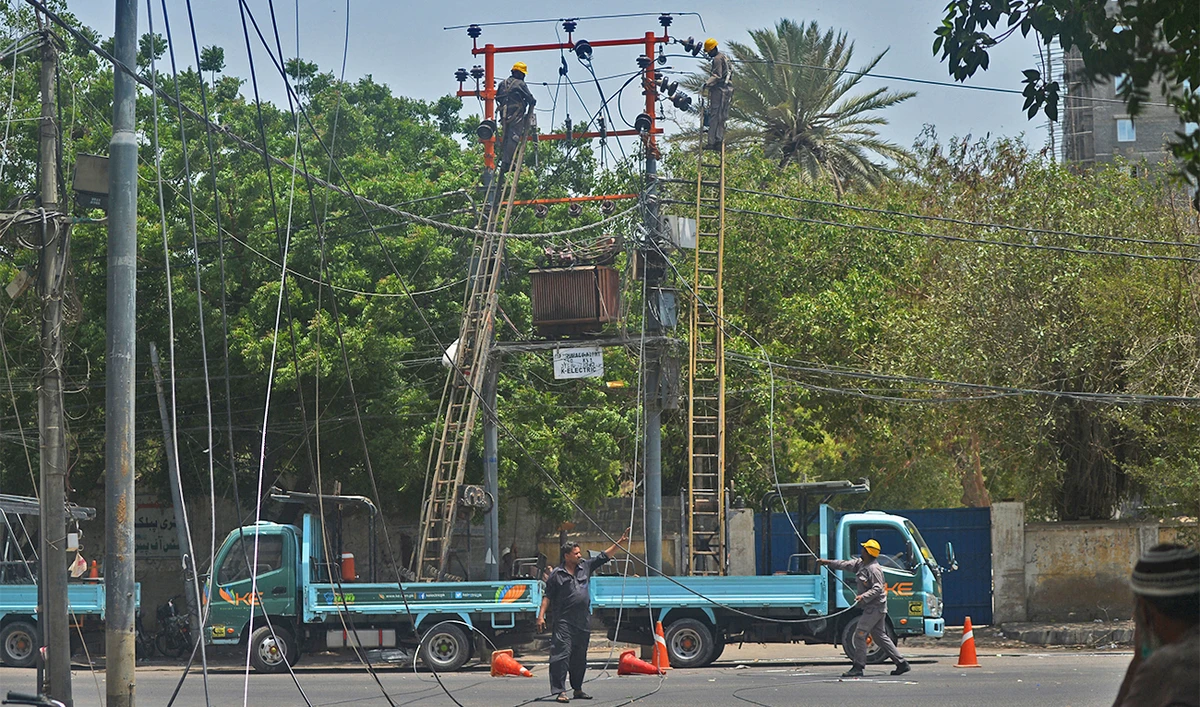
KARACHI: The National Electric Power Regulatory Authority (NEPRA) on Thursday announced to increase electricity base tariff by 46.7 percent, or Rs7.9 per unit, to help the country revive the much needed $6 billion loan program which was agreed with the International Monetary Fund (IMF) in 2019.
During the recent round of negotiations between Pakistan and the IMF in Qatar, the fund called for concrete policy actions, including the removal of fuel and energy subsidies by the government.
“The tariff has been determined for FY [fiscal year] 2022-23, which on National Average is Rs.24.82/kWh [kilowatt hour], higher by Rs.7.9078/kWh than the earlier determined national average tariff of Rs.16.91/kWh,” NEPRA said in a statement issued on Thursday.
“The increase of Rs.7.9078/kWh is mainly due to increase in Fuel Prices, capacity cost and impact of PKR [Pakistani rupee] devaluation.”
The regulatory authority said the determined prices had been shared with the federal government and were subject to the issuance of notification to implement the increased tariff from the next budgetary year.
“The determined tariffs have been intimated to the Federal Government,” the statement added. “The Federal Government as per NEPRA Act is required to file an application for determination of uniform tariff for all the DISCOs [distribution companies].”
The authority said the energy purchase price was projected at Rs.1,152 billion during the next year while the capacity charges including National Transmission and Dispatch Company (NTDC) and High Voltage Direct Current (HVDC) cost was projected to be Rs1,366 billion.
The IMF program was stalled after the previous administration announced about $2 billion fuel and energy subsidies earlier this year in contravention to the agreement with the fund.
“Now the way is clear and hopefully the announcement of a staff-level agreement will be made early next week,” Dr. Vaqar Ahmed, joint executive director at the Sustainable Development Policy Institute (SDPI), told Arab News.
“Another point is that its inflationary impact will start from the current month and the government must immediately roll out the relief package it has announced as targeted subsidy,” he continued.
Pakistan has received $3 billion from the IMF and another $3 billion are expected after the resumption of the program. The authorities have also requested the fund to expand the size of the program to $8 billion and increase its tenure to June 2023, according to finance minister Miftah Ismail.
The revival of the IMF program would unlock funding from other institutional donors including the World Bank, Asian Development Bank and friendly countries including Saudi Arabia, China and the UAE.