

Saudi Aramco could swallow Shell and BP, says Brand Finance CEO

David Haigh expects Saudi Arabia to overtake UAE at top of nation brand index. (File/Shutterstock)
Short Url
Updated 27 May 2022
Follow

Saudi Aramco could swallow Shell and BP, says Brand Finance CEO

  • Aramco is currently in first place among the Brand Finance Global 500 of 2022, with a world ranking of 31
  • Haigh says Saudi Arabia could soon overtake the UAE in Brand Finance’s Global Soft Power Index

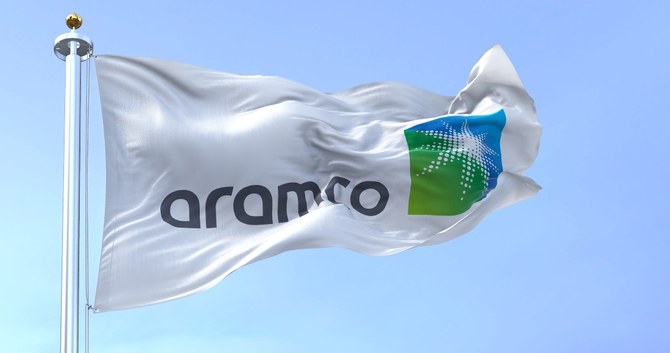
DAVOS: Aramco, the Saudi Arabian oil giant, could swallow BP and Shell and buy both of them, CEO and Founder of Brand Finance David Haigh said at the World Economic Forum’s annual meeting.

“In the last few years, Aramco has really been ramping up its marketing globally. You see it everywhere, sponsorship, advertising, all sorts of government relations,” Haigh told Arab News at the HCL Pavilion on Davos’s promenade. “So Aramco has awareness and (its) reputation is growing very fast.”

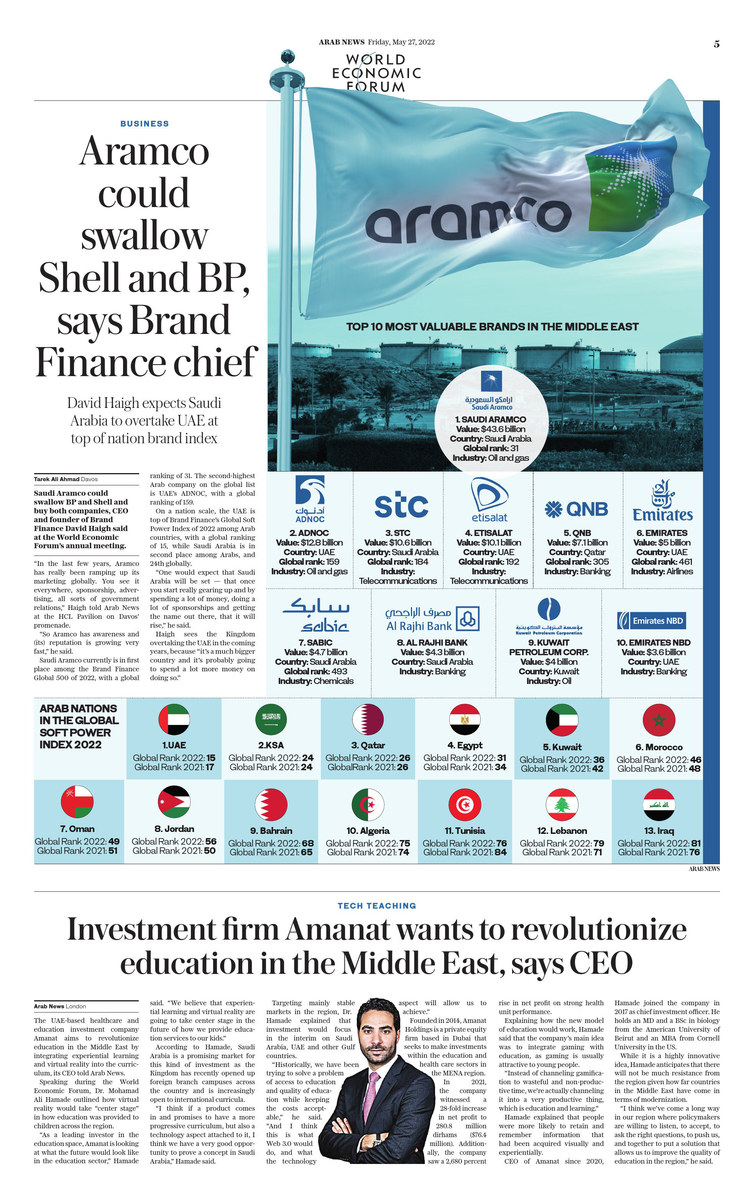
Saudi Aramco currently is in first place among the Brand Finance Global 500 of 2022, with a global ranking of 31. The second-highest Arab company on the global list is UAE’s ADNOC, at a global ranking of 159.

On a nation scale, the UAE is top of Brand Finance’s Global Soft Power Index of 2022 among Arab countries, with a global ranking of 15, while Saudi Arabia is in second place among Arabs, and 24th globally.

“One would expect that Saudi Arabia will be set that once you start really gearing up and by spending a lot of money, doing a lot of sponsorships and getting the name out there, that it will rise,” he said.

Haigh sees the Kingdom overtaking the UAE in the coming years, because “it’s a much bigger country and it’s probably going to spend a lot more money on doing so.”


PwC Middle East plans to expand into Saudi cities with new branches 

Updated 11 sec ago
Follow

PwC Middle East plans to expand into Saudi cities with new branches 

RIYADH: PwC Middle East intends to expand by opening new branches in major Saudi cities, following the inauguration of its regional headquarters in the capital, Riyadh, last December, according to Mostafa Gad, the firm’s government and public sector partner, who spoke to Al Eqtisadiah.

The company currently has a presence through branches distributed across five Saudi cities, including Riyadh, Jeddah, and Al Khobar, with the opening of a new branch in AlUla. 

Gad confirmed that Saudi Arabia represents one of the most important destinations and markets on which the company is focused to strengthen its business, given its position as one of the region’s leading economies. 

He noted that national talent accounts for more than 54 percent of the total workforce across the company’s branches in Saudi Arabia, with plans to increase this percentage in the future. 

Gad explained that the company’s activities are primarily focused on consulting services and financial auditing, as PwC maintains strategic partnerships with both the public and private sectors to support the objectives of Vision 2030, a path the company has been on since the vision was announced nearly 10 years ago. 

The company had announced the resumption of work on consulting services provided to the Public Investment Fund, following the end of the temporary ban imposed on it by the fund. 

Regarding the company’s latest work in the labor market field, Gad said the firm reviewed the results of an annual study targeting employees in four countries, led by Saudi Arabia, to monitor developments in the labor market in the Middle East region. 

The study revealed notable data related to job security. While there may be a prevailing belief that the current generation of the workforce does not place great importance on job security, the results showed that 85 percent of young people in Saudi Arabia place it at the top of their priorities, a percentage that exceeds the global average of 79 percent. 

PwC is considered one of the world’s professional services networks and is a member of what is known as the “Big Four” in accounting and consulting, alongside Deloitte, Ernst & Young, and KPMG. 

The company’s headquarters is located in London, and it operates in 136 countries through more than 700 offices worldwide. The company’s work focuses on auditing accounts and financial statements and ensuring compliance with international standards, in addition to strategic consulting, digital transformation, cybersecurity, and risk management.