

A slice of Saudi culture on the streets of Davos

1 / 10
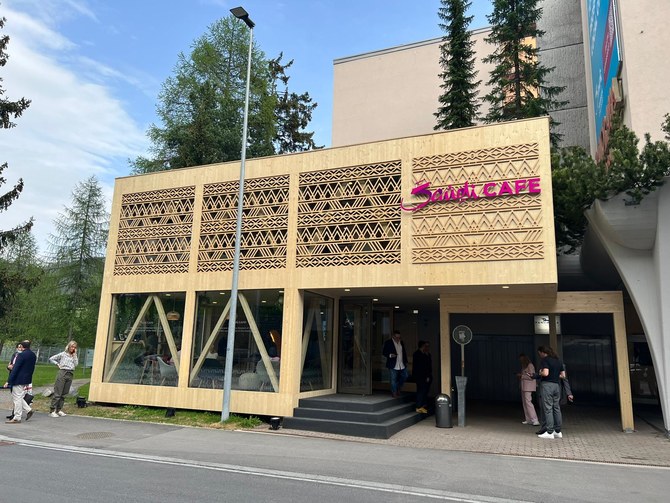
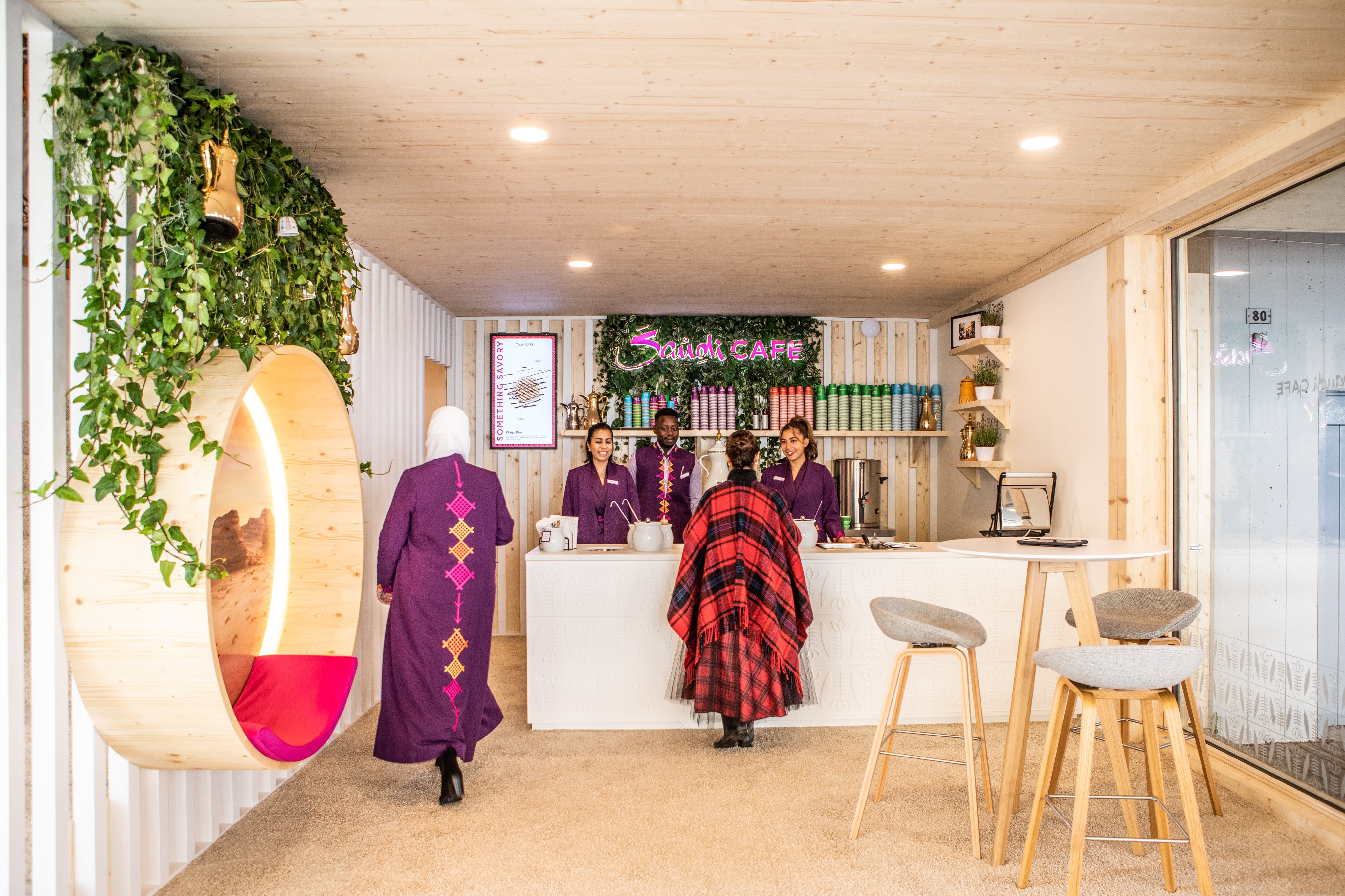
The Saudi Tourism Authority has brought a small slice of the Kingdom’s culture to the Swiss mountains in the shape of the Saudi Cafe. (Supplied/Saudi Tourism Authority)
2 / 10
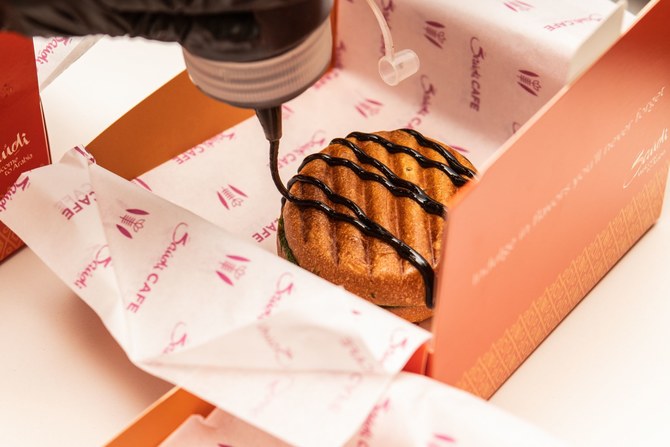
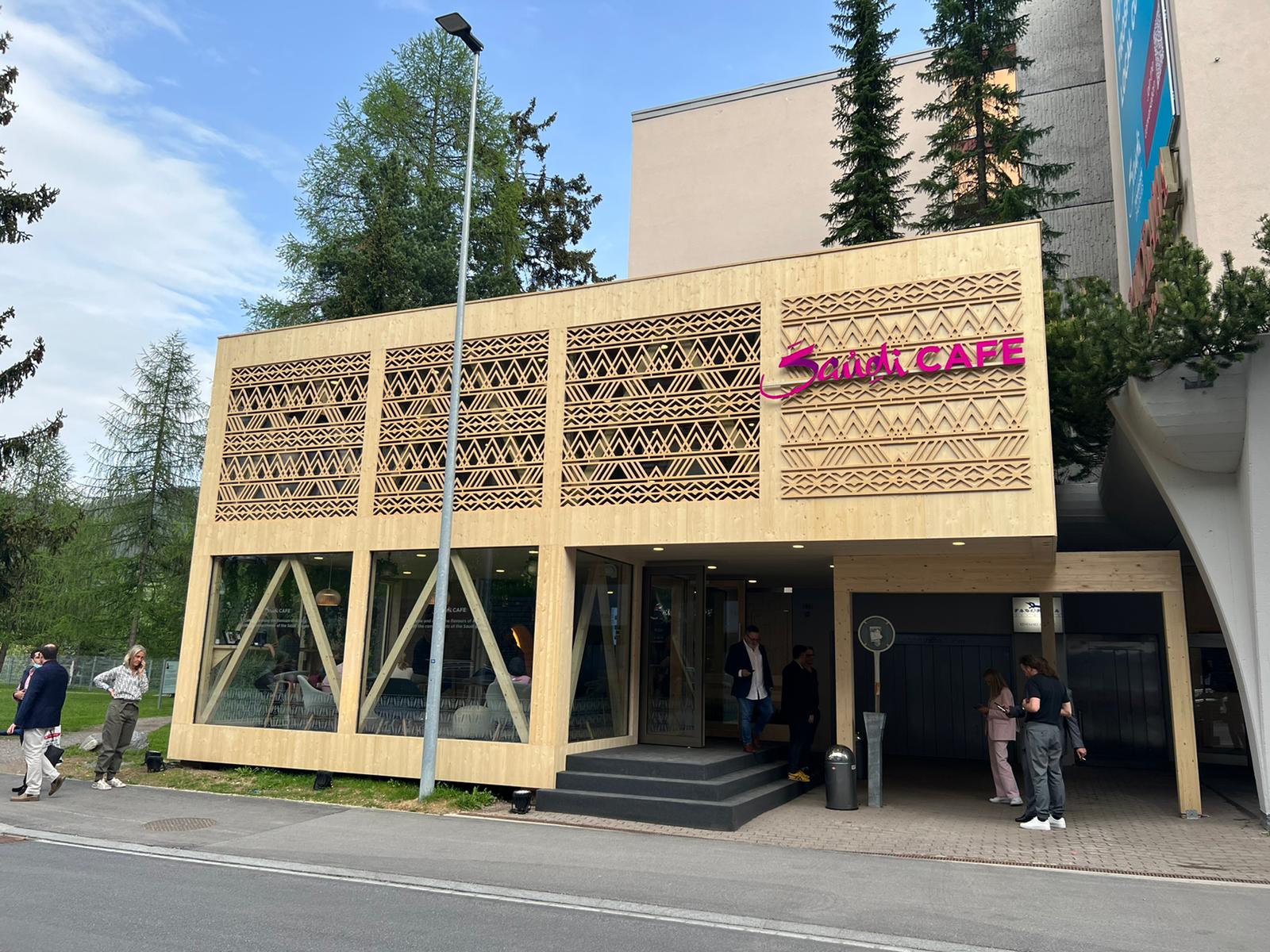
The Saudi Tourism Authority has brought a small slice of the Kingdom’s culture to the Swiss mountains in the shape of the Saudi Cafe. (Supplied/Saudi Tourism Authority)
3 / 10
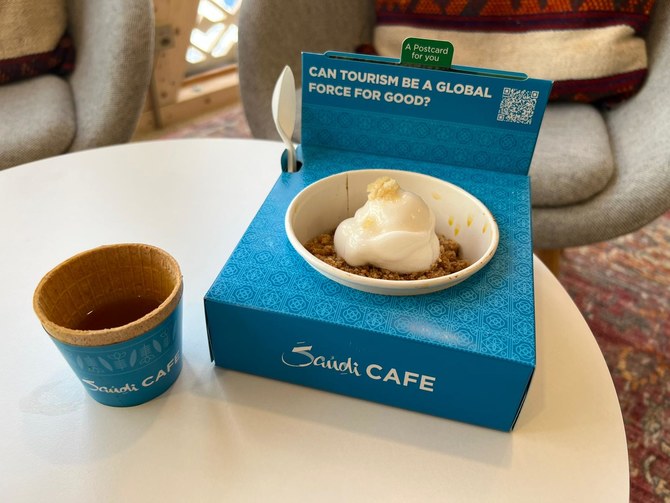
The Saudi Tourism Authority has brought a small slice of the Kingdom’s culture to the Swiss mountains in the shape of the Saudi Cafe. (Supplied/Saudi Tourism Authority)
4 / 10
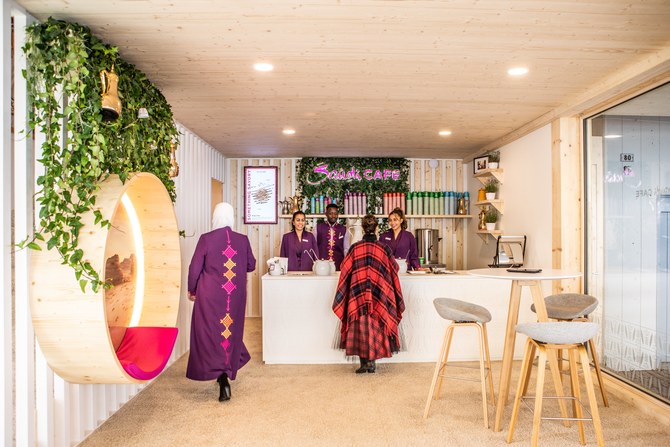
The Saudi Tourism Authority has brought a small slice of the Kingdom’s culture to the Swiss mountains in the shape of the Saudi Cafe. (Supplied/Saudi Tourism Authority)
5 / 10
The Saudi Tourism Authority has brought a small slice of the Kingdom’s culture to the Swiss mountains in the shape of the Saudi Cafe. (Supplied/Saudi Tourism Authority)
6 / 10
The Saudi Tourism Authority has brought a small slice of the Kingdom’s culture to the Swiss mountains in the shape of the Saudi Cafe. (Supplied/Saudi Tourism Authority)
7 / 10
The Saudi Tourism Authority has brought a small slice of the Kingdom’s culture to the Swiss mountains in the shape of the Saudi Cafe. (Supplied/Saudi Tourism Authority)
8 / 10
The Saudi Tourism Authority has brought a small slice of the Kingdom’s culture to the Swiss mountains in the shape of the Saudi Cafe. (Supplied/Saudi Tourism Authority)
9 / 10
The Saudi Tourism Authority has brought a small slice of the Kingdom’s culture to the Swiss mountains in the shape of the Saudi Cafe. (Supplied/Saudi Tourism Authority)
10 / 10
The Saudi Tourism Authority has brought a small slice of the Kingdom’s culture to the Swiss mountains in the shape of the Saudi Cafe. (Supplied/Saudi Tourism Authority)
Short Url
Updated 25 May 2022
Follow

A slice of Saudi culture on the streets of Davos

  • For Swiss native and consultant Antonin Muller, Saudi Café has allowed him to discover a culture he knew little about.

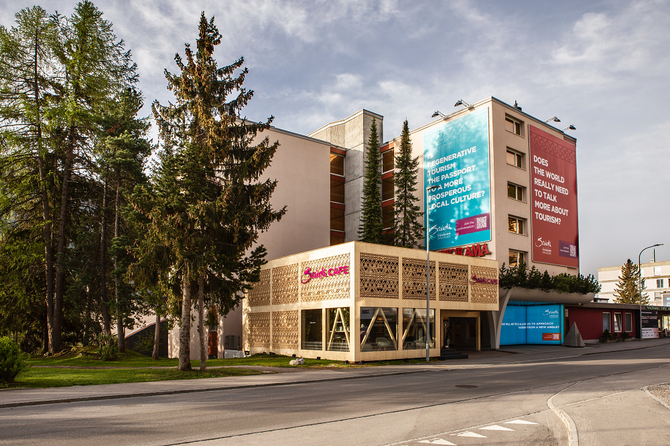
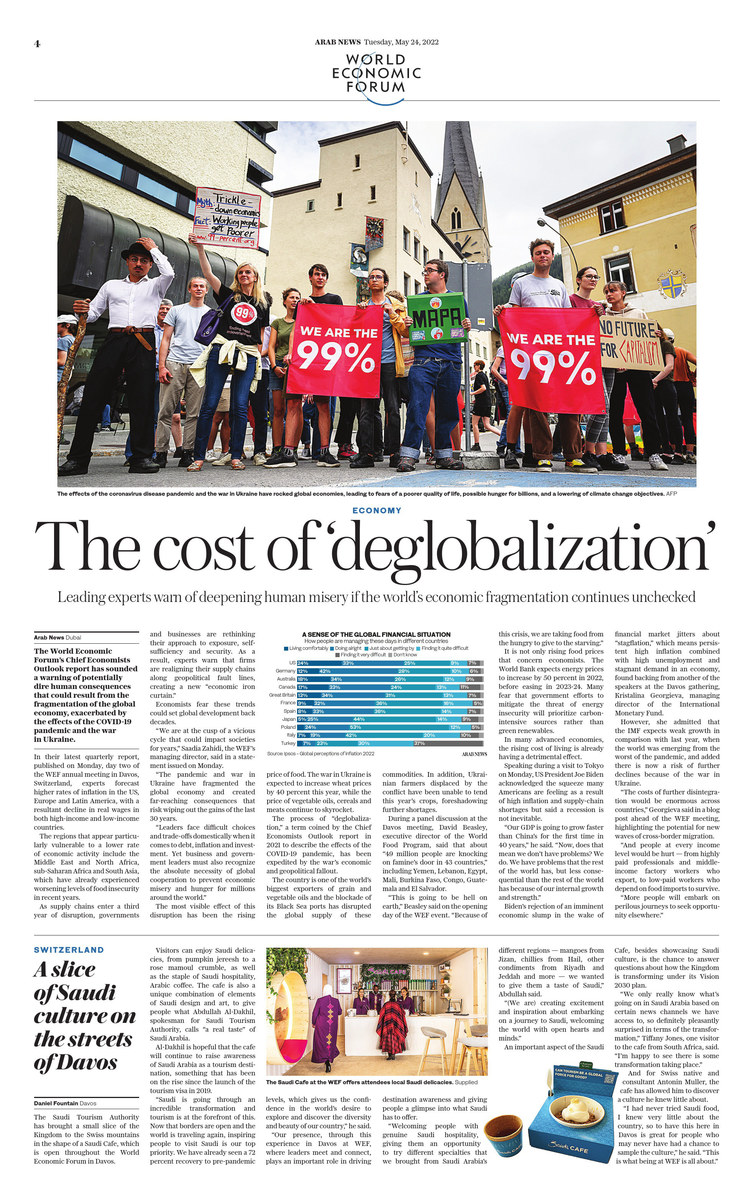
DAVOS: The Saudi Tourism Authority has brought a small slice of the Kingdom’s culture to the Swiss mountains in the shape of the Saudi Cafe, which is open throughout the World Economic Forum (WEF) in Davos. 

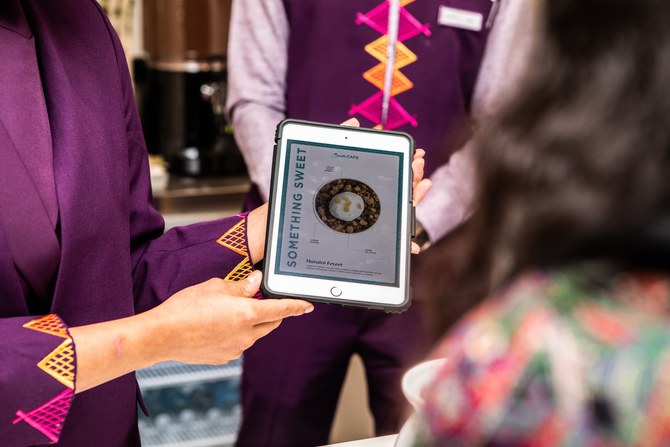
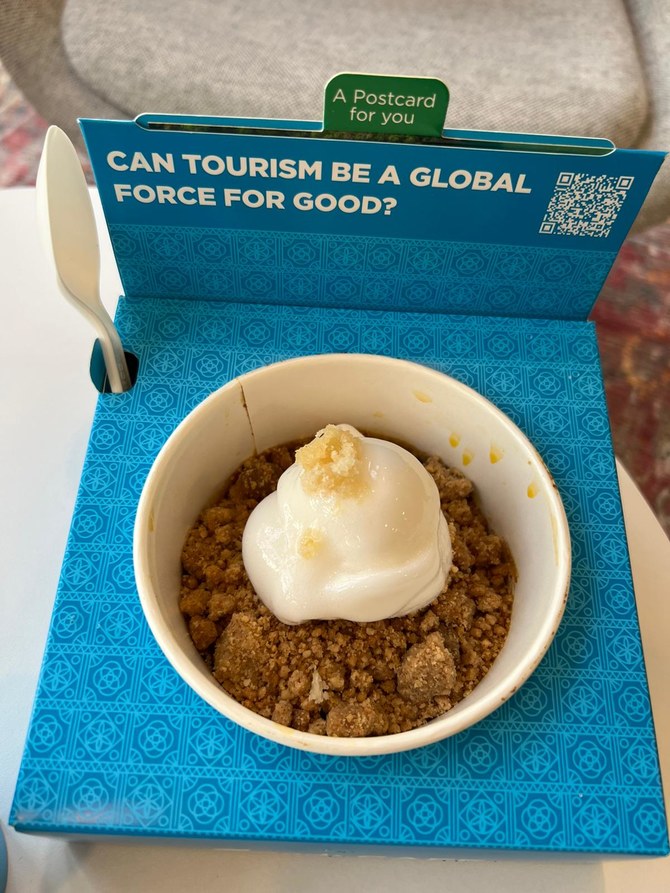
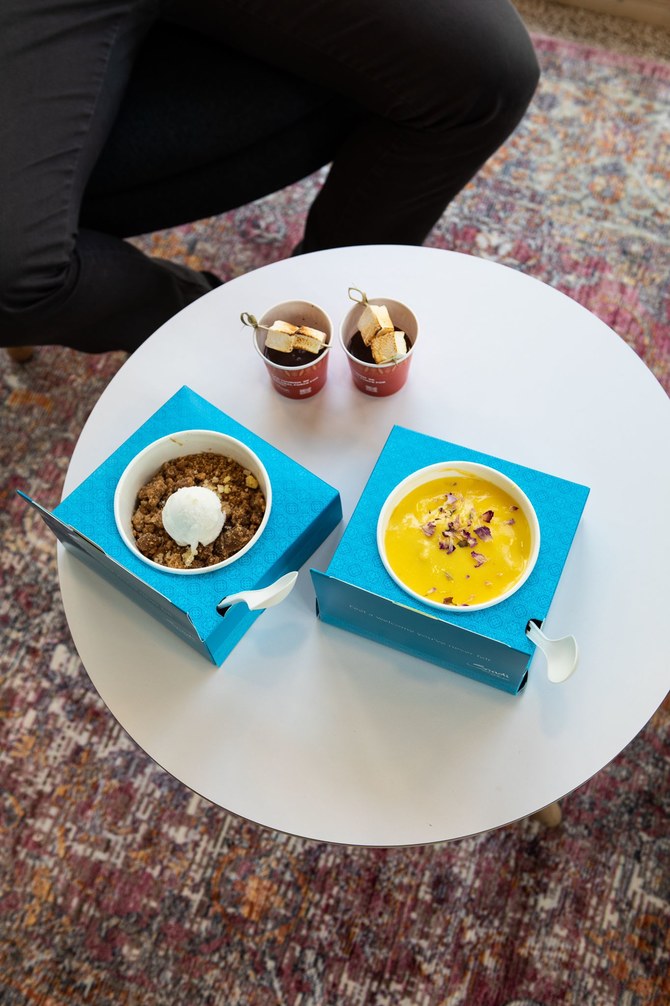
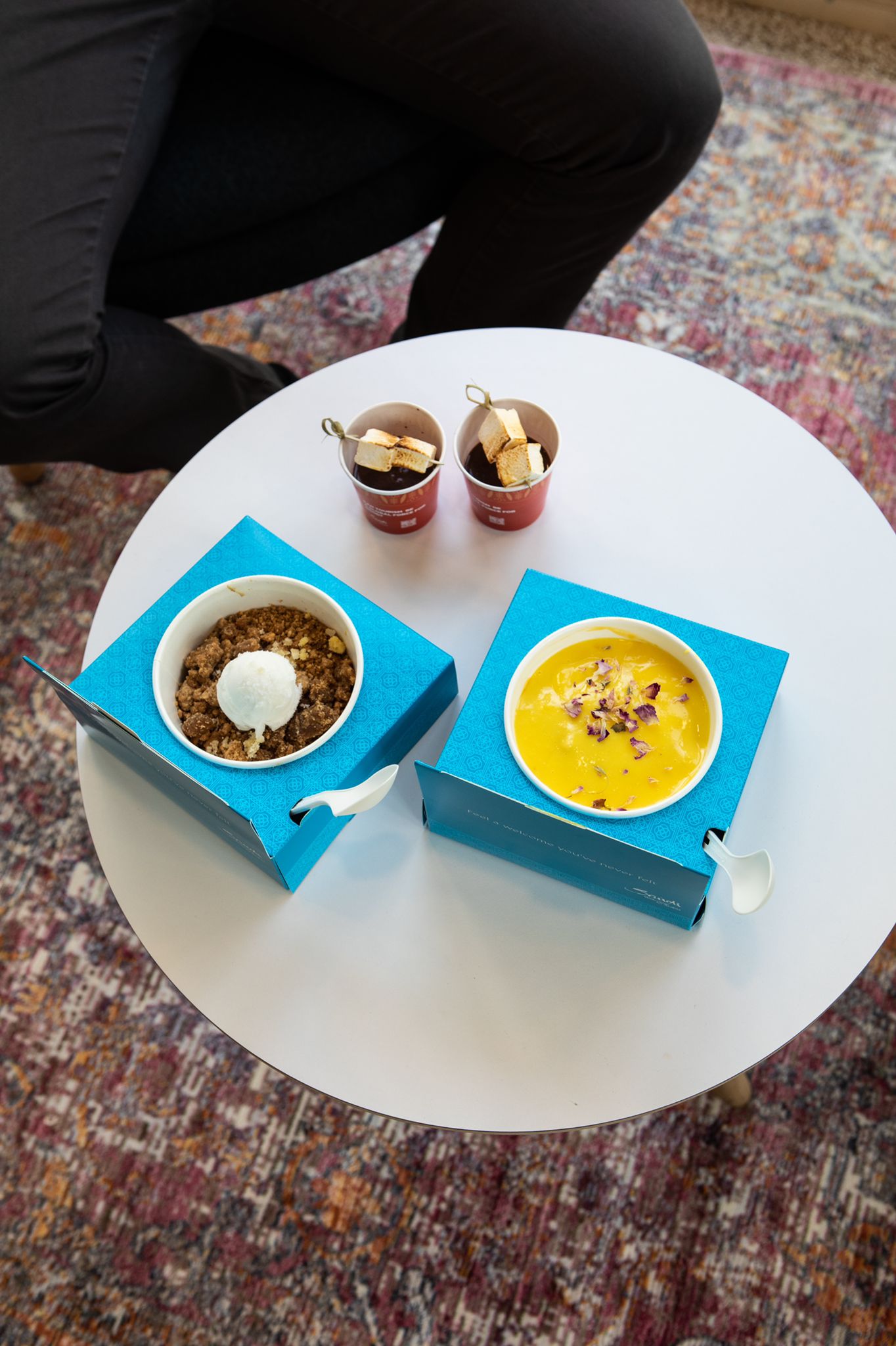
Visitors can enjoy Saudi delicacies, from pumpkin jereesh to a rose mamoul crumble, as well as the staple of the Kingdom's hospitality, Saudi coffee. The cafe is also a unique combination of elements of Saudi design and art, to give people what Abdullah Al-Dakhil, spokesman for Saudi Tourism Authority, calls “a real taste” of Saudi Arabia.

And Al-Dakhil is hopeful that the cafe will continue to raise awareness of Saudi Arabia as a tourism destination, something that has been on the rise since the launch of the tourism visa in 2019.
“Saudi is going through an incredible transformation and tourism is at the forefront of this. Now that borders are open and the world is traveling again, inspiring people to visit Saudi is our top priority. We have already seen a 72 percent recovery to pre-pandemic levels, which gives us the confidence in the world’s desire to explore and discover the diversity and beauty of our country,” he added.

“Our presence, through this experience in Davos at WEF, where leaders meet and connect, plays an important role in driving destination awareness and giving people a glimpse into what Saudi has to offer.”
“Welcoming people with genuine Saudi hospitality, giving them an opportunity to try different specialties that we brought from Saudi Arabia's different regions -- mangoes from Jizan, chillies from Hail, other condiments from Riyadh and Jeddah and more - we wanted to give them a taste of Saudi,” Abdullah said.

“(We are) creating excitement and inspiration about embarking on a journey to Saudi, welcoming the world with open hearts and minds.”

An important aspect of the Saudi cafe, besides showcasing Saudi culture, is the chance to answer questions about how the Kingdom is transforming under its Vision 2030 plan. 
“We only really know what’s going on in Saudi Arabia based on certain news channels we have access to, so definitely pleasantly surprised in terms of the transformation,” Tiffany Jones, one visitor to the cafe from South Africa, said. “I’m happy to see there is some transformation taking place.” 

And for Swiss native and consultant Antonin Muller, the cafe has allowed him to discover a culture he knew little about. 

“I had never tried Saudi food, I knew very little about the country, so to have this here in Davos is great for people who may never have had a chance to sample the culture,” he said. “This is what being at WEF is all about.” 


Rising stars hit the runway for Chanel

Updated 2 min ago
Follow

Rising stars hit the runway for Chanel

DUBAI/PARIS: Rising fashion stars from across the world hit the runway at designer Matthieu Blazy’s latest show for Chanel.

Staged during Paris Fashion Week, the likes of Mona Tougaard and Bhavitha Mandava, who in 2025 made headlines as the first Indian model to open a show for Chanel, walked the runway.

For the show Tougaard, who has Danish, Turkish, Somali and Ethiopian ancestry, showed off a patchwork look with cutouts across the bodice. For her part, Mandava showed off a series of casual options, including knitwear.

For the show Tougaard, who has Danish, Turkish, Somali and Ethiopian ancestry, showed off a patchwork look with cutouts across the bodice. (Getty Images) 

Six months into his tenure at the Parisian stalwart, Blazy staged his second ready-to-wear collection at Paris Fashion Week Monday, where brightly colored cranes rose from a holographic floor — a deliberate signal that the construction is ongoing.

The audience inside the Grand Palais suggested the foundations are solid: Margot Robbie, Oprah, Jennie, Kylie Minogue, Lily-Rose Depp, Teyana Taylor and Olivia Dean all turned up.

Blazy took his cue from a quote from Gabrielle “Coco” Chanel: “We need dresses that crawl and dresses that fly.”

The collection was structured around that tension — plain against spectacular, function against fantasy — with a discipline his sprawling debut last October sometimes lacked.

The opening looks were austere by design.

Black knit zip-ups, tweed blousons and boxy overshirts arrived with little more than four gold buttons to signal they belonged to Chanel.

In the vast runway space, they could read as underwhelming. But Blazy’s point was architectural: the suit, he said, is “the first brick” — and everything else rises from it.

The collection’s most provocative move was its silhouette.

Blazy pulled waistlines dramatically low — belts slung to mid-thigh, pleated skirts starting where blazers ended.

The references were retro flapper filtered through a modern lens: drop-waisted twinsets, patchwork dresses with floral embroidery, vivid patterned knits with a twenties pulse.

A furry coat in bold geometric color could have been worn in a chic part of London's Camden.Whether the ultra-low waistlines will land with the well-heeled clients who pack Chanel’s front rows is another question.

Selling a radically new proportion to women with deep loyalty to the house is a different challenge than winning critical praise. The final stretch answered that concern with force. Sequined plaid suits arrived in dazzling color.