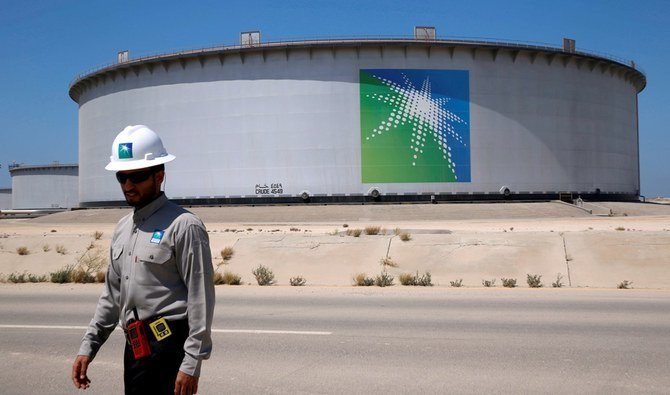
SAN FRANCISCO: Saudi Aramco on Wednesday dethroned Apple as the world’s most valuable company as surging oil prices drove up shares and tech stocks slumped.
The Saudi Arabian national petroleum and natural gas company, billed as the largest oil producing company in the world, was valued at $2.42 trillion based on the price of its shares at close of market.
Apple, meanwhile, has seen its share price drop over the past month and was valued at $2.37 trillion when official trading ended on Wednesday.
The sinking share price came despite Apple reporting better-than-expected profits in the first three months of this year amid strong consumer demand.
But, Apple warned that the China Covid-19 lockdown and ongoing supply chain woes would dent June quarter results by $4 to $8 billion.
“Supply constraints caused by Covid-related disruptions and industry-wide silicon shortages are impacting our ability to meet customer demand for our products,” Chief Financial Officer Luca Maestri said on a conference call with analysts.
The results looked good following stumbles by some Big Tech peers as growth from the stay-at-home demand amid the pandemic slows and companies confront rising operating and labor costs.
Oil giant Saudi Aramco recently reported a 124 percent net profit surge for last year, hours after Yemeni rebels attacked its facilities causing a “temporary” drop in production.
As the world economy started to rebound from the Covid-19 pandemic, “Aramco’s net income increased by 124 percent to $110.0 billion in 2021, compared to $49.0 billion in 2020,” the company said.
The kingdom, one of the world’s top crude exporters, has been under pressure to raise output as Russia’s invasion of Ukraine and subsequent sanctions against Moscow have roiled global energy markets.
Aramco president and CEO Amin Nasser cautioned that the company’s outlook remained uncertain due in part to “geopolitical factors.”
“We continue to make progress on increasing our crude oil production capacity, executing our gas expansion program and increasing our liquids to chemicals capacity,” Nasser said.
On the results, for 2021, he acknowledged that “economic conditions have improved considerably.”
A strong rebound last year saw demand for oil increase and prices recover from their 2020 lows.
Inflation could cause a drop in consumption, reducing demand for oil, while tech shares could continue to be dragged down by investor concerns over company costs, interest rate rises and supply chain woes.


![]()

Saudi Aramco dethrones Apple to become world’s most valuable company
Short Url
https://arab.news/jayjb
Saudi Aramco dethrones Apple to become world’s most valuable company
- Largest oil producing company in the world valued at $2.42 trillion based on the price of its shares at close of market
- Apple has seen its share price drop over past month, was valued at $2.37 trillion when official trading ended Wednesday
Latest updates




Recommended


© 2026 SAUDI RESEARCH & PUBLISHING COMPANY, All Rights Reserved And subject to Terms of Use Agreement.