


AMMAN: David Simon, creator of one of the finest TV shows of all time, “The Wire,” revisits the city in which that series was set — Baltimore —in “We Own This City.”
The six-episode miniseries — based on a nonfiction book of the same name by Baltimore Sun reporter Justin Fenton — tells the story of the Baltimore Police Department’s ill-fated Gun Trace Task Force, charged with hunting down and confiscating the drugs, guns and money plaguing the city’s streets.
In 2017, all eight members of the task force were convicted of racketeering — padding their own pockets by making fraudulent overtime claims, lying to investigators, and shaking down citizens (sometimes criminals, sometimes not) for money.
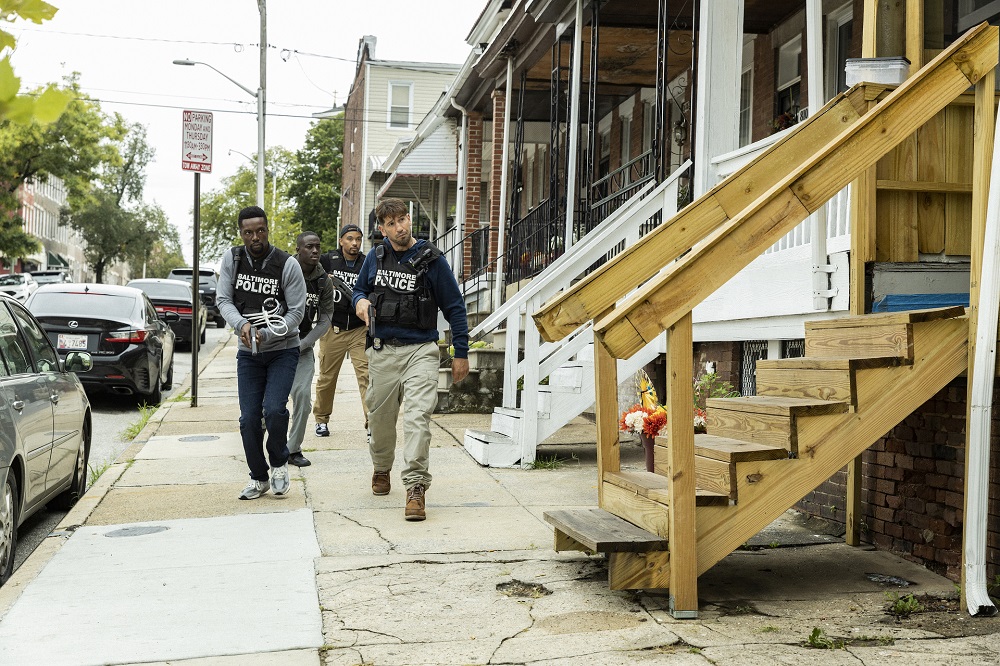
The six-episode miniseries is based on a nonfiction book of the same name by Baltimore Sun reporter Justin Fenton. Supplied
It's fertile ground for Simon and his frequent collaborator, the brilliant crime novelist George Pelecanos, giving them plenty of scope to explore some of Simon’s favorite themes: The moral failings of US authorities; race; poverty; the pointlessness of the ‘War on Drugs’; and the value of individuals standing up for what is right.
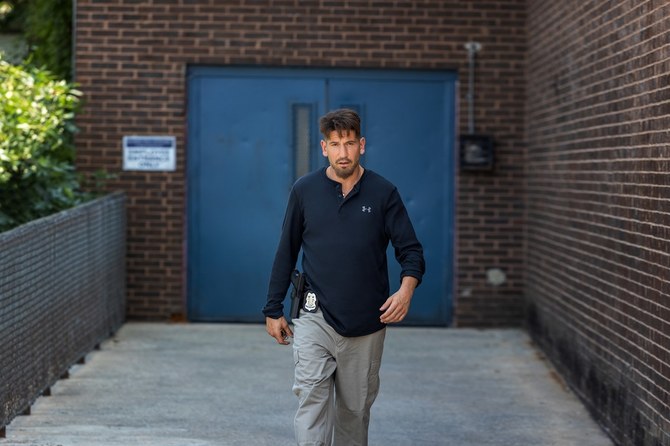
The show’s central figure is Wayne Jenkins, once the BPD’s golden boy thanks to a string of high-profile drugs and weapons seizures. He’s played with suitable macho swagger by Jon Bernthal (“The Punisher”) — the alpha male in a gang of alpha males. Bernthal’s performance is perfectly pitched, oozing arrogance and insecurity simultaneously. Like most of the cops on the show, Jenkins is an unsettling combination of hero and villain.
The story jumps multiple timelines, showing how the corrupt cops started out small and got increasingly cocky, convincing themselves that they’re just getting what they’ve earned by stealing from the stashes they confiscate.
At times, you may find yourself struggling to decide who’s in the right and who’s in the wrong: It can be hard not to sympathize with police officers hamstrung by the ineffective policies of their superiors and lack of trust from the public, who decide to take matters into their own hands to try and make their hometown safer. And hard not to be angry when they break the rules for personal gain, rather than communal well-being. Equally, it’s hard not to feel the pain and frustration of citizens making bad choices in situations where there don’t seem to be any good ones, and who seem to have no one in power looking out for them.
Morally complex, intelligent without being condescending, thought-provoking, honest, and enthralling, “We Own This City” is another great show from a creator who rarely produces anything less than great.


