

For tribesmen in southwestern Pakistan, no Eid celebrations without traditional headgear

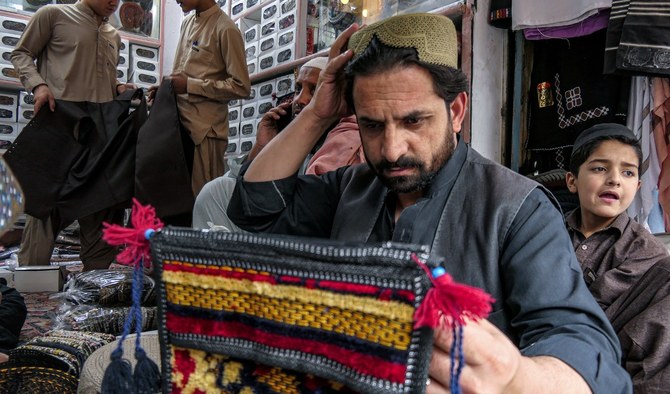
A man tries on a traditional Pashtun cap at a shop in Quetta’s Circular Road, Balochistan, southwestern Pakistan, on April 29, 2022. (AN Photo)
Short Url
Updated 03 May 2022
Follow

For tribesmen in southwestern Pakistan, no Eid celebrations without traditional headgear

  • Every year, right before Eid, men throng to shops on Circular Road of Quetta to buy new headdress
  • An ordinary cap can be as cheap as $3, but one that features embroidery would cost even 30 times more

QUETTA: Colorful caps are a source of pride for Baloch and Pashtun tribesmen in southwestern Pakistan, and of significant income for shopkeepers ahead of Eid Al-Fitr, as no celebrations in the region can be complete without traditional headgear.
Every year, right before Eid, men throng shops in Circular Road of Quetta, the provincial capital of Balochistan, to buy new headdress.
Some caps are woven with colorful threads, some fitted with tiny, round pieces of glass. They come in many shapes and sizes, with the major Baloch and Pashtun tribes — which make up the two main ethnic groups in Balochistan province — having their own styles.
“Our forefathers have been wearing cultural caps and turbans for many centuries now, especially during the Eid festival,” Mehmood Shah, who traveled 45 km from Mastung district to Quetta to buy a new cap for Eid.
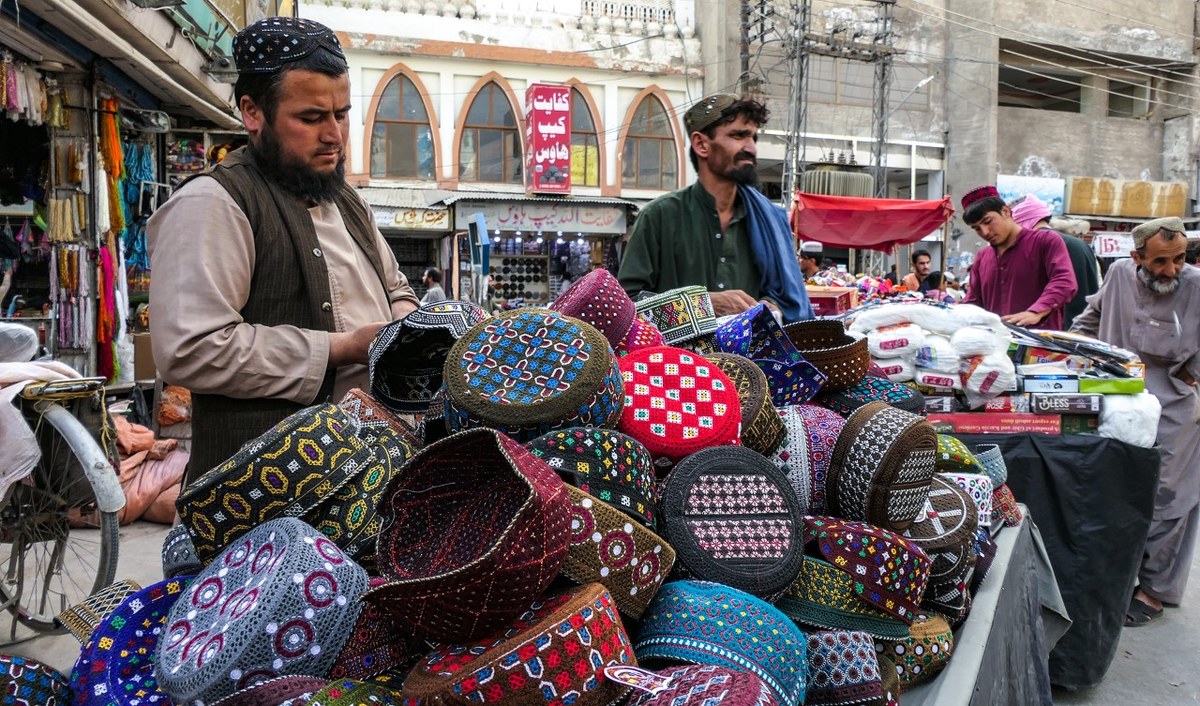


Sellers display traditional caps on a pushcart in Quetta’s Circular Road, Balochistan, southwestern Pakistan, on April 29, 2022. (AN Photo)

“Wearing the traditional headgear on the holy festival is essential dressing for Baloch and Pashtun tribesmen.”
Prices vary. An ordinary cap can be as cheap as $3, but one that features embroidery would cost even 30 times more.
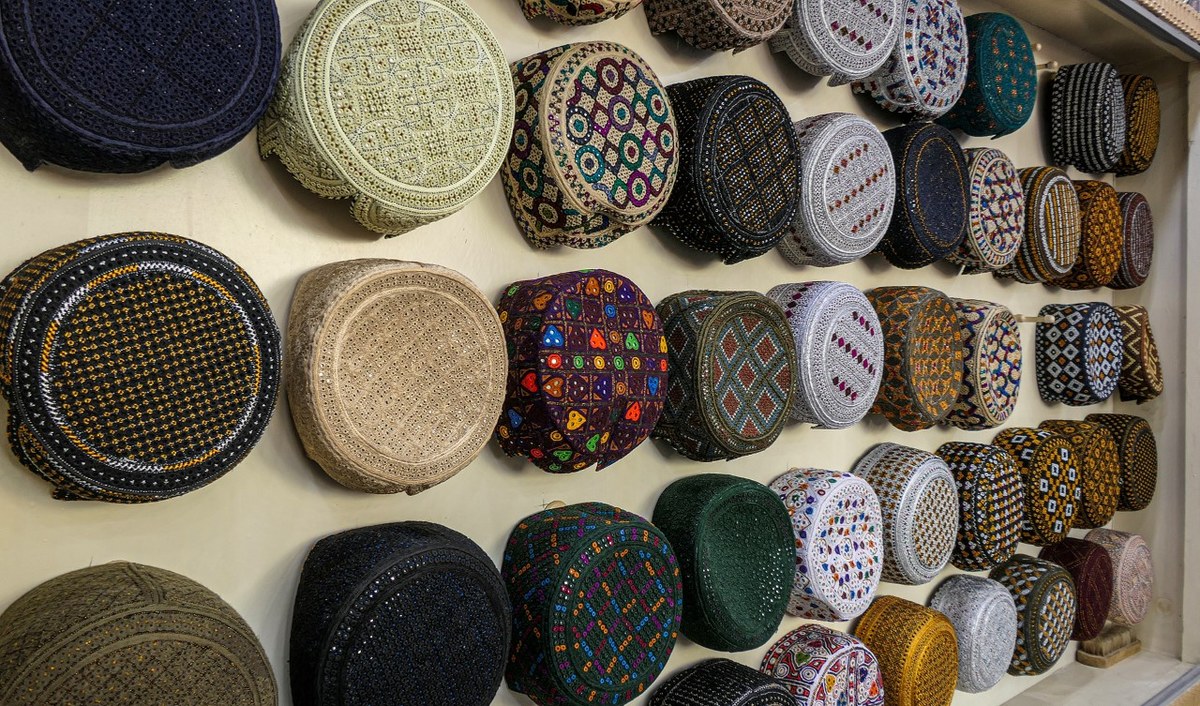


Baloch and Pashtun caps are on display at a shop in Quetta’s Circular Road, Balochistan, southwestern Pakistan, on April 29, 2022. (AN Photo)

Naseer Ahmed, who has been selling traditional headgear for the last two decades, said that handmade Bugti and Yaqoobi caps are the most expensive and sought-after ones, also abroad.
“I have been sending these caps across Balochistan and Afghanistan because demand for caps and turbans rises before Eid Al-Fitr,” he added.
The difference between Baloch and Pashtun headgear can easily be spotted: Baloch caps feature colorful ornaments, while Pashtun ones are known for their simplicity, and woven with a single thread.


Baloch and Pashtun men buy traditional caps for their Eid Al-Fitr attire at a shop in Quetta’s Circular Road, Balochistan, southwestern Pakistan, on April 29, 2022. (AN Photo)

Zia ul Haq, member of the Pashtun Kakar tribe, said Eid was a time when attire was important for everyone in the province.
Although the cultures of Balochis and Pashtuns were different, their love for headgear is the same.
“Without caps and turbans, we feel discomfort,” he told Arab News. “Every single Baloch and Pashtun, whether child, young or old, they all wear their cultural dress during the three days of Eid.”
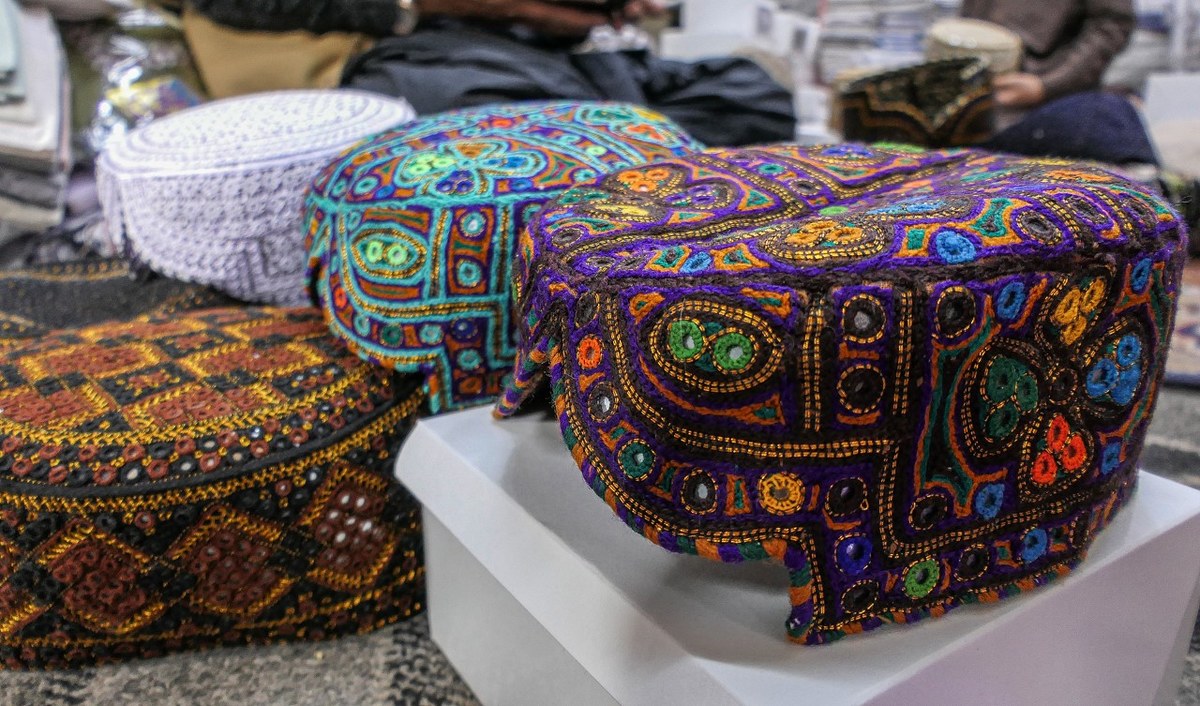


Baloch caps are on display at a shop in Quetta’s Circular Road, Balochistan, southwestern Pakistan, on April 29, 2022. (AN Photo)


Pakistan army chief tells Kabul to choose Islamabad or Taliban militants amid strained ties

Updated 21 December 2025
Follow

Pakistan army chief tells Kabul to choose Islamabad or Taliban militants amid strained ties

  • Pakistan blames Afghanistan for facilitating cross-border attacks in its territory, allegations that Kabul denies 
  • Ties remain strained since October, when deadly border clashes left dozens dead on both sides of the border

ISLAMABAD: Pakistan’s Chief of Defense Forces Field Marshal Syed Asim Munir has told Afghanistan to choose between Islamabad and the outlawed Tehreek-e-Taliban Pakistan (TTP) militants, state media reported on Sunday as ties between both neighbors remain strained. 

Pakistan’s army and civilian government have both blamed the Afghan Taliban recently for facilitating cross-border attacks in Pakistan, a charge Kabul denies. Afghanistan says it does not allow its territory to be used for attacks against Pakistan and cannot be held responsible for Islamabad’s security challenges. 

Both countries were involved in deadly border clashes in October that saw dozens of soldiers killed and wounded on both sides. Officials from Afghanistan and Pakistan have held peace talks in Qatar, Türkiye and Saudi Arabia over the past few months but failed to reach an agreement. 

“Chief of Army Staff and Chief of Defense Forces Field Marshal Syed Asim Munir has said Afghanistan will have to choose between Fitna Al-Khawarij and Pakistan,” state broadcaster Radio Pakistan reported. 

Munir was addressing the National Ulema and Mashaikh Conference held in Islamabad earlier this month, the state media said.

“Fitna Al-Khawarij” is a term the Pakistan military frequently uses for the TTP. 

Munir highlighted that 70 percent of the TTP’s formations that enter Pakistan from Afghanistan comprise Afghan nationals. 

“He said innocent citizens, including children, are being targeted through terrorism with the backing of the Afghan Taliban,” Radio Pakistan reported. 

While Pakistan and Afghanistan have agreed to a temporary ceasefire, tensions persist between the two nations as militant attacks persist in Pakistan. 

Pakistan summoned Afghanistan’s deputy head of mission on Friday and demanded “decisive action” against TTP militants after four Pakistani soldiers were killed in an attack on a military camp in northwest Pakistan. 

The foreign office said the Afghan government had been informed that Pakistan “reserves the right to defend its sovereignty and protect its citizens” and would take all necessary measures to respond to attacks originating from Afghan territory.

Afghanistan has warned Pakistan in the past against attacking its territory, saying it reserves the right to respond to such provocations.