

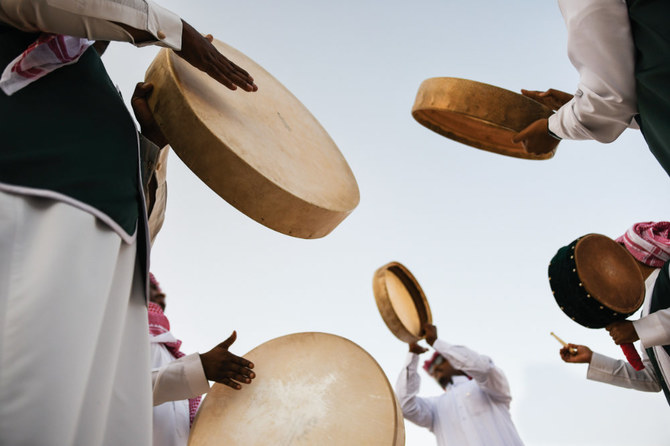

JEDDAH: Fireworks lit up the night skies across the Kingdom on Monday after the new moon of Shawwal was sighted, marking the end of the sunrise-to-sunset month of fasting.
Eid Al-Fitr begins in Saudi Arabia with families spending quality time with loved ones and exchanging gifts, known as “eidiyah.”
As Islam’s holy month of Ramadan ended, it is a particular special time because this will be the first Eid Al-Fitr for two years without any COVID-19 restrictions.
“Welcoming eid is always bittersweet,” said Abdalla Salih, 24, from Jeddah. “I’m always sad to see Ramadan go, it’s a month I feel especially spiritual … compared to the rest of the year, but eid is about spending time with family and friends and being happy.”
Salih told Arab News he often spends eid holidays with extended family in Sudan, but this year he will be staying in Jeddah.
“I’m glad COVID is basically over here. The restrictions over the last two years took a toll on everyone, and now it’s time to put all that behind us,” he said. “This Eid, I’ll be taking advantage of everything I wasn’t able to do before, see all my family and friends, go out to gatherings; Silat Al-Rahm is very important in Islam.”
Silat Al-Rahm is the Islamic concept of maintaining ties of kinship. Religious occasions like Ramadan and eid are great opportunities for Muslims to see their families and have meals together.
“As I grew older, I started to enjoy giving gifts more than receiving them. Maybe when I was younger, I preferred to receive gifts, but the problem now is my nieces and nephews look to me for their eidiyah.”
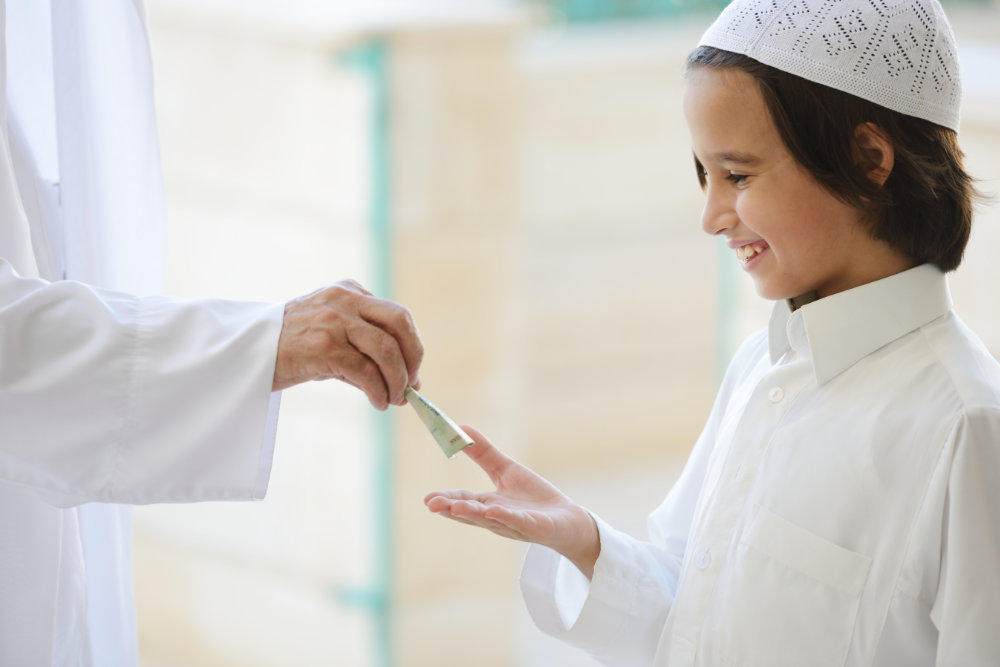
Money is most commonly given as eidiyah, but other types of gifts are also accepted, typically from older relatives to children in the family.
The money is often put in an envelope, and children gather around their parents, aunts and uncles to receive them.
“As you grow older, you hit a peak of how much you can get from family members. For me, it was around SR1,000 ($266), but after a certain point, you start to work, they stop giving you, and you’re now expected to give,” Salih said. “The torch has now been passed to the new generation.”
This eid, Salih will be attending the customary morning devotion with his family, which takes place after the Fajr prayer on the first day, and then head home to enjoy a “break-feast.”
“Most households in Saudi Arabia have big breakfasts with their families,” he said. “You can imagine after a month of fasting, it’s something we all look forward to very much. My favorite dishes are foul (fava beans), shakshooka (Arabian style eggs), some olives, cheeses, and fresh juices. After that, it’s pretty much goodnight for me.”
After seeing the family, Salih will see his friends over the remainder of eid with plans to gather on Jeddah’s beautiful beaches.
“Eid and beach are synonymous with the people of Jeddah, it’s something we all have to do here. My friends and I will stay at one of our friends’ beach houses in Durrah for a couple of days, enjoying the sunrise and sunsets together, talking and having laughs and playing some volleyball. It’s really my favorite time of the year.”


