ISTANBUL: NATO member Turkey said it was still talking to Russia about procuring a second batch of one of its most advanced missile defense systems despite the war in Ukraine.
The comments on state television late Tuesday by the head of Turkey’s military procurement agency underscore Ankara’s efforts to maintain good relations with Moscow during the conflict.
The agency and its chief, Ismail Demir, were sanctioned by Washington in the closing weeks of US president Donald Trump’s administration for its purchase of Russia’s S-400 missile defense system in 2017.
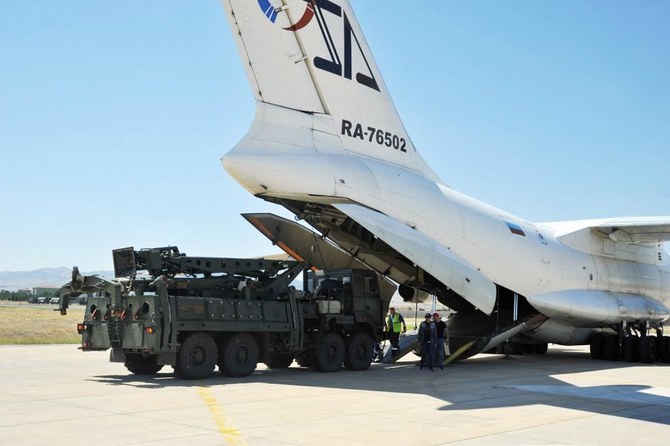
Turkey took delivery of the first batch of the surface-to-air missiles in 2019.
But Demir told state television that the 2017 contract always envisioned Turkey receiving two batteries of the Russian weapon.
“This was always a single project. We are not talking about creating a second project,” said Demir. “We are continuing to implement the same decision we made from the beginning.”
Turkey’s leading role in trying to mediate an end to the conflict through direct negotiations have helped to improve its relations with Washington in the past few months.
US President Joe Biden’s administration said earlier this month that it now believed that supplying Turkey with F-16 fighter jets — an idea proposed by Erdogan last year — would serve Washington’s strategic interests.
Turkey is looking to modernize its airforce after being kicked out of the F-35 fighter jet program because of its purchase of the Russian missiles.
Demir said Turkey did not take immediate delivery of the second batch of the Russian S-400 because of contractual disputes.
“We could have taken delivery of the second batch right away, but one of the important parameters of the project involved certain technological cooperation and joint production parameters,” he said.
“Since negotiations of these issues took some time, the (delivery) of the system spread over time.”


![]()

Turkey says still talking to Russia about missile deliveries
Short Url
https://arab.news/9fesp
Turkey says still talking to Russia about missile deliveries
- Turkey says it is talking to Russia about procuring a second batch of one of its most advanced missile defense systems


Latest updates


© 2026 SAUDI RESEARCH & PUBLISHING COMPANY, All Rights Reserved And subject to Terms of Use Agreement.