Pakistan posts $13 billion current account deficit as global commodity prices continue to bite

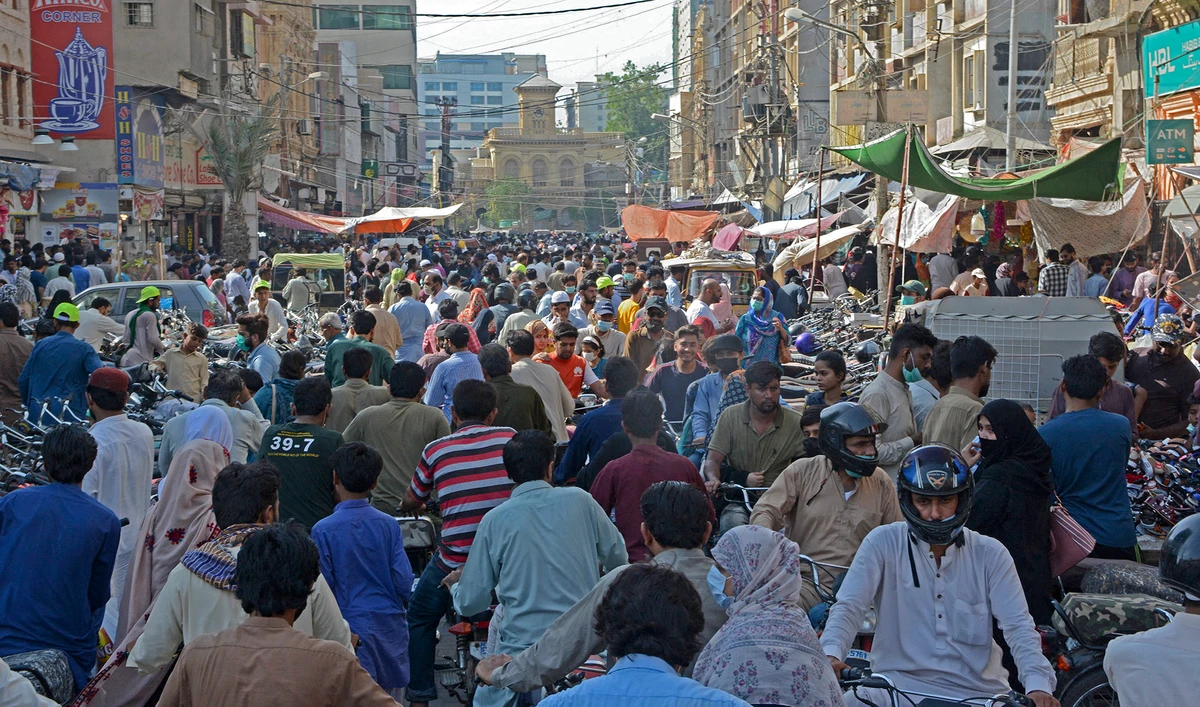
Shoppers throng a marketplace during the holy month of Ramadan ahead of the Eid al-Fitr festivities in Karachi, Pakistan, on May 8, 2021. (AFP/File)
Short Url
Updated 24 April 2022
Follow

Pakistan posts $13 billion current account deficit as global commodity prices continue to bite

  • Oil price plays key role in higher deficit as the country’s petroleum imports have doubled to $14 billion
  • Pakistan’s central bank says non-oil balance remained in surplus for the second consecutive month in March

KARACHI: Pakistan has posted over $13 billion or 4,688 percent higher current account deficit (CAD) this fiscal year from July 21 to March 22, mainly due to higher imports amid surging global commodity prices, according to official data and analysts. 

The gap between foreign expenditures and low income of the South Asian nation almost doubled in March to over $1 billion, compared to $519 million recorded in February 2022 and 179% higher than $369 million recorded in the same month of previous year, according to the data released by the central bank on Saturday.
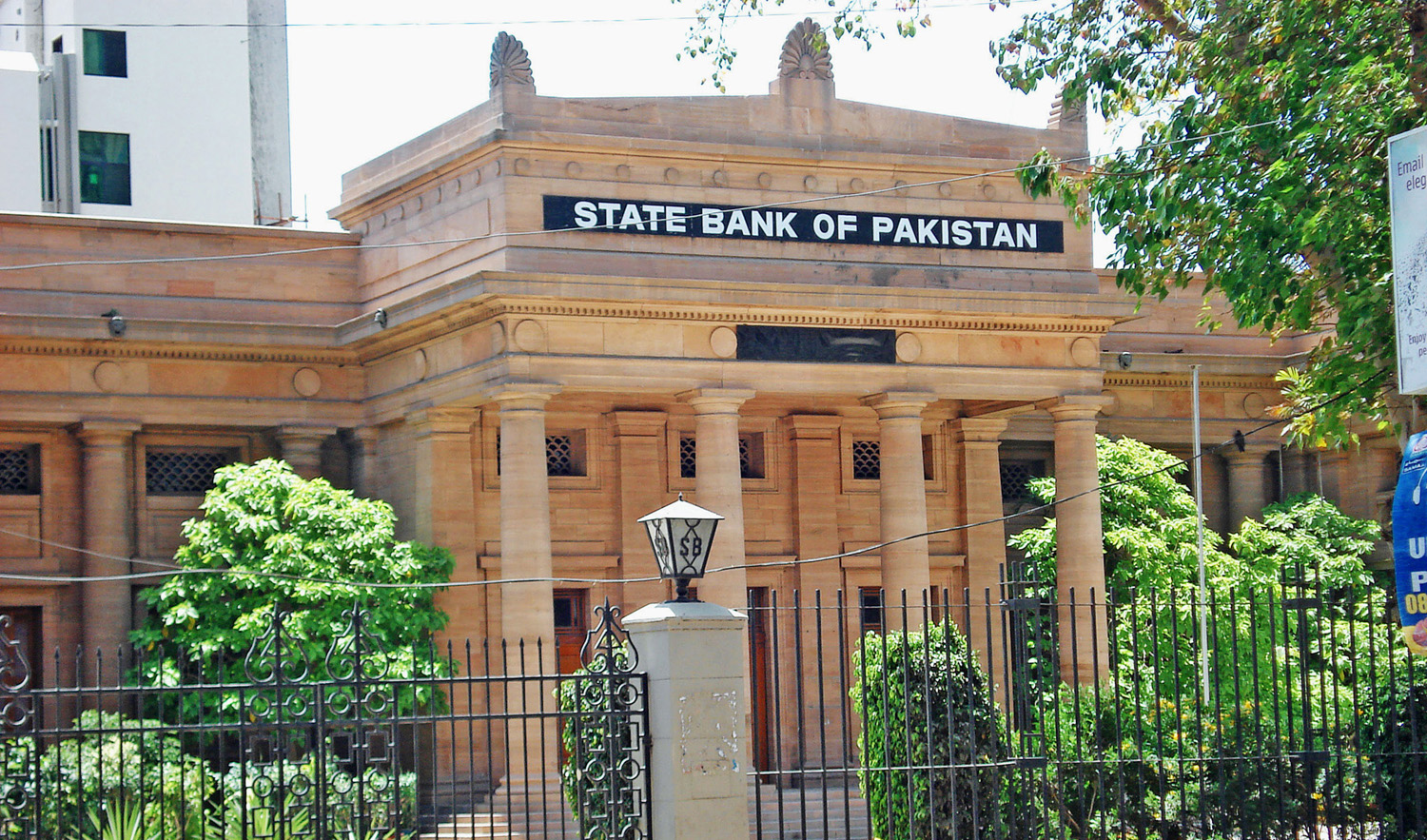


This undated file photo shows a general view of State bank of Pakistan premises in Karachi. (Shutterstock)

The higher deficit is attributed mainly to increased global commodity prices, particularly the prices of energy products that Pakistan imports to meet domestic energy needs. 

Pakistan’s imports of petroleum products have more than doubled to $14.81 billion dollar during this period (July-March) as compared to $7.55 billion during the same period of last fiscal year, according to the Pakistan Bureau of Statistics (PBS). 

This comes at a time when Pakistan's finance minister, Miftah Ismail, is in Washington to deal with International Monetary Fund (IMF) officials for the revival of stalled $6 billion loan program. 

“The CAD data is important as Pakistan negotiates with the IMF for the revival of stalled program because the data will come under discussions and will determine the future course of action,” Samiullah Tariq, research director at Pakistan-Kuwait Investment Company, told Arab News on Sunday. 

“The higher CAD is mainly due to global commodity prices that remain elevated due to a host of factors, including the Ukraine war.” 

However, Pakistan’s central bank said the deficit in March 2022 was lower as the non-oil balance in the current account remained in surplus for the second consecutive month in March.  

“Despite high global commodity prices, the turnaround in the current account continues, with a deficit of $1bn in March, $500 million lower than the average during FY22. Moreover, the non-oil balance remained in surplus for the second consecutive month,” the State Bank of Pakistan said on Twitter.  

Imports of goods and services cost a total of $62.14 billion during July-March as compared to exports of $28.85 billion. Rising imports have widened the trade deficit to over $30 billion putting lot of pressure on the national currency, with the dollar closing at Rs186.75 in the interbank market on Saturday.   

Analysts expect that a favorable outcome of talks between the IMF and Pakistani authorities would ease pressure on foreign exchange reserves and the currency.   

“I hope that the IMF program would be revived because lot of activities have been taking place [in Washington] during the visit of finance minister,” Tariq said.   

Experts believe the current account deficit will remain around $16-17 billion for the whole year due to an expected rise in exports and remittances.   

Pakistan has recorded around 30 percent growth in exports of Information Technology (IT) services to $1.94 billion from July 2021 to March 2022, up from $1.50 billion the previous year, according to the IT and Telecom ministry.


No casualties as blast derails Jaffar Express train in Pakistan’s south

Updated 26 January 2026
Follow

No casualties as blast derails Jaffar Express train in Pakistan’s south

  • Passengers were stranded and railway staffers were clearing the track after blast, official says
  • In March 2025, separatist militants hijacked the same train with hundreds of passengers aboard

QUETTA: A blast hit Jaffar Express and derailed four carriages of the passenger train in Pakistan’s southern Sindh province on Monday, officials said, with no casualties reported.

The blast occurred at the Abad railway station when the Peshawar-bound train was on its way to Sindh’s Sukkur city from Quetta, according to Pakistan Railways’ Quetta Division controller Muhammad Kashif.

No group immediately claimed responsibility for the bomb attack, but passenger trains have often been targeted by Baloch separatist outfits in the restive Balochistan province that borders Sindh.

“Four bogies of the train were derailed due to the intensity of the explosion,” Kashif told Arab News. “No casualty was reported in the latest attack on passenger train.”

The Jaffar Express stands derailed near Abad Railway Station in Jacobabad following a blast on January 26, 2026. (AN Photo/Saadullah Akhtar)

Another railway employee, who was aboard the train and requested anonymity, said the train was heading toward Sukkur from Jacobabad when they heard the powerful explosion, which derailed power van among four bogies.

“A small piece of the railway track has been destroyed,” he said, adding that passengers were now standing outside the train and railway staffers were busy clearing the track.

In March last year, fighters belonging to the Balochistan Liberation Army (BLA) separatist group had stormed Jaffar Express with hundreds of passengers on board and took them hostage. The military had rescued them after an hours-long operation that left 33 militants, 23 soldiers, three railway staff and five passengers dead.

The passenger train, which runs between Balochistan’s provincial capital of Quetta and Peshawar in the country’s northwest, had been targeted in at least four bomb attacks last year since the March hijacking, according to an Arab News tally.

The Jaffar Express stands derailed near Abad Railway Station in Jacobabad following a blast on January 26, 2026. (AN Photo/Saadullah Akhtar)

Pakistan Railways says it has beefed up security arrangements for passenger trains in the province and increased the number of paramilitary troops on Jaffar Express since the hijacking in March, but militants have continued to target them in the restive region.

Balochistan, Pakistan’s southwestern province that borders Iran and Afghanistan, is the site of a decades-long insurgency waged by Baloch separatist groups who often attack security forces and foreigners, and kidnap government officials.

The separatists accuse the central government of stealing the region’s resources to fund development elsewhere in the country. The Pakistani government denies the allegations and says it is working for the uplift of local communities in Balochistan.