

Oil Update — Crude climbs; CNOOC soars in market debut; Brazil mulls output rise

Oil prices traded higher but in a narrow range on Thursday. (Shutterstock)
Short Url
Updated 21 April 2022
Follow

Oil Update — Crude climbs; CNOOC soars in market debut; Brazil mulls output rise

RIYADH: Oil prices traded higher but in a narrow range on Thursday, after being rocked earlier in the week by supply losses from Libya and a worrying outlook for demand as the International Monetary Fund cut its global growth forecasts.

Brent crude futures rose 55 cents, or 0.5 percent, to $107.35 a barrel at 0117 GMT, recouping losses from the previous session.

US West Texas Intermediate crude futures gained 41 cents, or 0.4 percent, to 102.60 a barrel, adding to a 19-cent gain in the previous session.

Chinese oil giant soars in Shanghai debut
(Shutterstock)

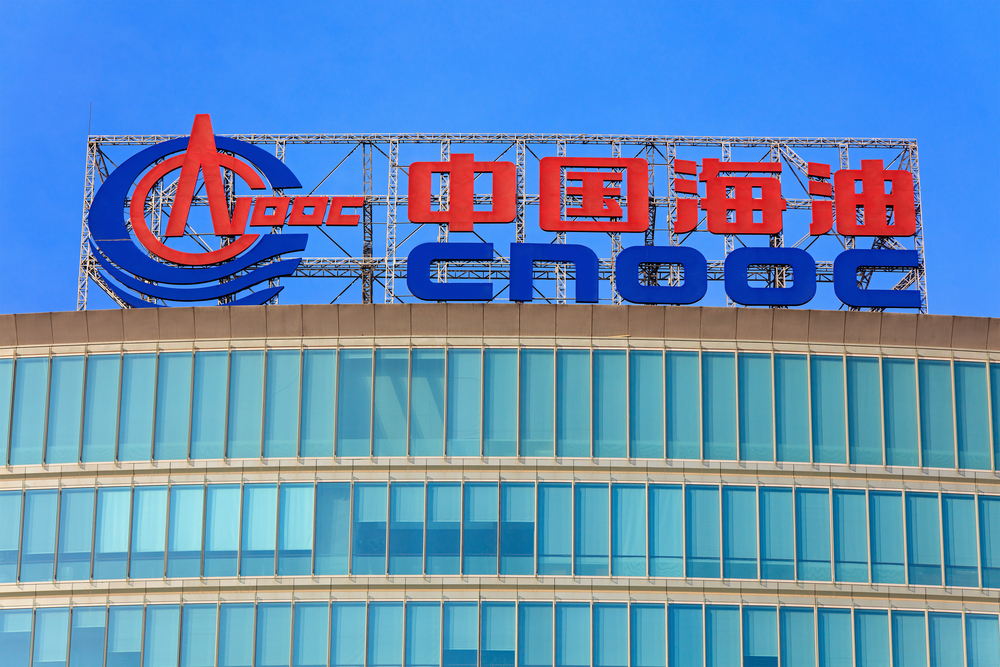
China’s CNOOC Ltd. saw its stock surge as much as 44 percent in its Shanghai debut on Thursday in defiance of overall market weakness, as investors sought safety in the oil giant amid lofty energy prices and quickening inflation.

The stock started to trade 20 percent higher than its offering price. But the Shanghai Stock Exchange almost immediately imposed a 30-minute trading suspension when the price hit the upper limit of the daily allowable band for new main-board listings, citing abnormal fluctuation.

The stock ended morning trade up 28.8 percent in a market that saw China’s blue-chip index shed 1.4 percent. CNOOC’s Hong Kong-listed stock was down roughly 3 percent after surging as much as 4.3 percent.

China’s largest offshore oil producer raised $4.41 billion in the country’s 11th-biggest public stock offering. It said it would use the proceeds to fund one gas and seven oilfield projects in China and overseas, and replenish capital.

Brazil discussing oil output boost
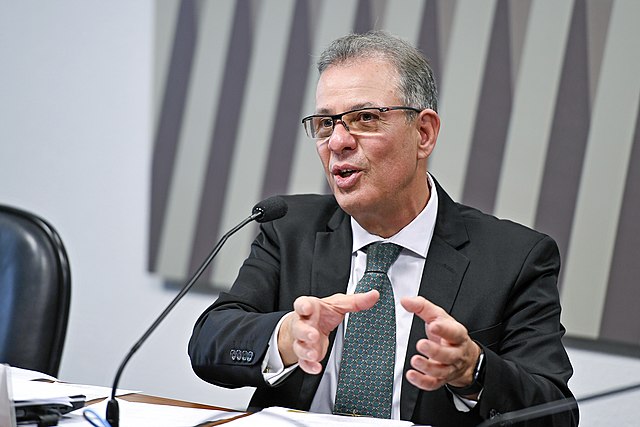
Brazilian Energy Minister Bento Albuquerque (Flickr of the Federal Senate of Brazil)

Washington and Brazil have discussed the South American nation’s role in keeping a lid on global crude prices since Russia’s invasion of Ukraine, Brazilian Energy Minister Bento Albuquerque told Reuters in an interview on Wednesday.

Brazil, with a current output of around 3 million barrels of oil per day, has been increasing production for years and is aiming for a 10 percent increase to 3.3 million bpd in 2022.

Asked if the US had reached out to talk about potential production increases, Albuquerque said the two countries were cooperating.

“I already had two meetings with energy secretary (Jennifer) Granholm, and we have been talking about this, the importance to stabilize the offer and demand of oil and gas around the world,” he said.

Albuquerque’s comments underline the breadth of the Biden administration’s diplomatic campaign to find alternatives to Russian crude.

Albuquerque, however, said a dramatic short-term boost would be logistically difficult.

(With inputs from Reuters) 


US trade policy uncertainty sees muted response from markets

Updated 7 sec ago
Follow

US trade policy uncertainty sees muted response from markets

RIYADH: President Donald Trump renewed his condemnation of the US Supreme Court on Monday after it ruled against his sweeping tariff program last week, vowing to ‌turn to ‌other ​powers ‌and ⁠licenses ​but giving no ⁠details.

The Supreme Court, in a 6-3 ruling on Friday, voided most of the tariffs Trump imposed in 2025, finding that the emergency law he relied on did not allow the imposition of the levies.

Trump said on Saturday he would raise ‌a temporary tariff from 10 percent to 15 percent on US ⁠imports ⁠from all countries, the maximum level allowed under the law, a day after the court ruled he had exceeded his presidential authority when he imposed an array of higher rates ​under an ​economic emergency law.

"The court has also approved all other Tariffs, of which there are many, and they can all be used in ⁠a much more ‌powerful and obnoxious ‌way, with legal ​certainty, than ‌the Tariffs as initially ‌used," he wrote in a social media post.

US stock index futures slipped on Monday as traders reacted to the latest twist in the US’s economic policy. 

At 12noon GMT, Dow E-minis were down ​162 points, or 0.33 percent, Nasdaq 100 E-minis ‌were down 129 points, or 0.51 percent, and S&P 500 E-minis were down 23.75 points, or 0.34 percent.

Most ‌megacap and growth stocks were lower in premarket trading, though Alphabet bucked the trend with a 0.3 percent gain after rising around 4 percent on Friday.

“It’s really hard from ​a ‌business ⁠standpoint when ​you ⁠are at a company to know how do you plan if you’re not even sure about suppliers, supply chains and what the tariffs are going to look like,” said Arthur Laffer Jr., president of Laffer Tengler Investments, according to Reuters.

“That’s a huge concern for corporate America and why it was really important to get that hammered out and ironed out as fast as possible, so that companies know what the playing field really looks like, and they can plan accordingly,” he added.

All three main stock ⁠indexes clocked weekly gains on Friday as markets took the Supreme ‌Court’s decision in stride, with the Nasdaq snapping a five-week ‌losing streak.

Other stock markets across the world greeted the latest wave of uncertainty with a muted response.

In the Gulf region, Saudi Arabia’s main market — which had been closed on Sunday due to a national holiday — ended the day up 0.34 percent.

Dubai’s main share index closed up 1.82 percent, led by a 3.64 percent gain in blue-chip developer Emaar Properties and a 2.92 percent leap in Emirates NBD Bank.

In Abu Dhabi, the index ended the session up 0.55 percent, with Americana Restaurants International leading the gainers with its share price surging 7.73 percent.

Qatar’s index closed up 1.08 percent, driven ​by banking shares, including ​a 0.43 percent uptick in Qatar National Bank, the region’s largest lender. 

Other global markets faced a mixed picture, with the UK's FTSE 100 subdued on Monday.

The blue-chip ‌index was up ‌0.1 percent at 12:00noon GMT, after closing ​at ‌record ⁠highs ​last week. For the UK, the ⁠tariff rate has increased from 10 percent ‌to 15 percent,

Unicredit analysts noted, ‌following Trump's latest announcement.

Vijay Valecha, chief investment officer at Century Financial said the possible US tariff increase from 10 percent to 15 percent “ has brought trade tensions back into focus, tempering the optimism seen after the recent Supreme Court tariff ruling.”

He added: “Markets are now reassessing the economic impact of higher import costs, possible retaliation from trade partners, and the broader implications for global growth.”