

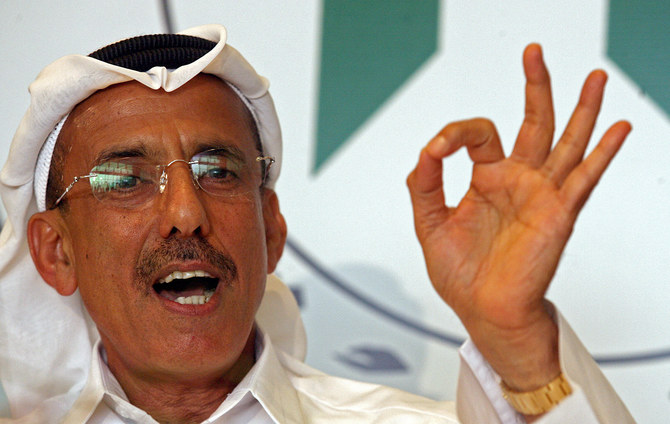

LONDON: UAE billionaire real estate tycoon Khalaf Al-Habtoor slammed Forbes Middle East following its publication of a list of the top 10 richest Arab billionaires.
“We see global newspapers competing to publish lists of the wealthiest Arabs based on their personal fortunes,” Habtoor tweeted.
“The question here is, what did these newspapers rely on for their conclusion? Note that most of the names mentioned are owners of private companies and institutions that do not report their profits or budgets, and it is known that their businesses are much larger than what is advertised,” he added.
نرى الصحف العالمية تتسابق لإصدار لوائح أغنياء العالم العربي مقيمة ثرواتهم بطرقها الخاصة.
والسؤال هنا، علام اعتمدت هذه الصحف في هذه التحاليل؟ علماً أن غالبية الأسماء المذكورة هي لأصحاب شركات ومؤسسات خاصة لا تبلّغ عن أرباحها أو ميزانياتها، ومعروف أن أعمالها أكبر بكثير مما يُعلن.— Khalaf Ahmad Al Habtoor (@KhalafAlHabtoor) April 9, 2022
Topping the Forbes list was Egyptian billionaire businessman Nassif Sawiris with $7.7 billion, followed by Algerian Yassaad Rabab and family at $5.1 billion, Nassif’s brother Naguib at $3.4 billion and the Lebanese Mikati brothers — Najib and Taha — each at $3.2 billion.
The bottom five included UAE real estate magnate Hussein Al-Sajwani with $2.7 billion and banker Abdullah bin Ahmad Al-Ghurair and family at $2.6 billion. Egypt’s Mohammed Mansour, Oman’s Suhail Bahwan and Emirati Abdullah Al-Futtaim and family came in at $2.5 billion each.
The list of the richest Arabs released by #Forbes for this year includes 21 billionaires with a combined fortune of $52.9 billion. Although Nassef Sawiris’ fortune dropped by $600 million last year, he is still the wealthiest Arab.
https://t.co/3dVp9krx4t pic.twitter.com/0ZkeXn0rIU
— Forbes Middle East (@Forbes_MENA_) April 7, 2022
At the bottom of the Forbes list was a disclaimer that said: “Forbes stopped following the wealth of Saudi billionaires since 2018.” However, while there was no reason for this exclusion, other notable absences from the list included Qatari individuals. The country is the wealthiest Arab state by GDP per capita, according to the World Bank.
Forbes Middle East Editor-in-Chief Khuloud Al-Omian responded to Habtoor’s tweet, noting that the “Forbes wealth scale relies on public disclosure and the market value of the value of shares owned by individuals, and not companies without debt.
“Undisclosed private wealth is not approved out of respect for privacy unless the businessman submits financial reports approved by a financial auditor,” she said.
سعادتك، تسمحي الرد على سؤالك، تعتمد فوربس مقياس الثروات على الإفصاح العام والقيمة السوقية لقيمة الاسهم المملكومة من الافراد وليس الشركات من غير الديون، لا يتم اعتماد الثروات الخاصة غير مصرح عنها احتراما للخصوصية الا في حال قام رجل الأعمال بتقديم تقارير مالية معتمدة من مدقق مال
— خلود العميان (@KhuloudAlOmian) April 9, 2022
However, Habtoor responded further, claiming that the findings were inaccurate because Forbes “does not calculate the private wealth or the value of the private companies owned by these people, which often represents more than 90 percent of their wealth.”
سيدة @KhuloudAlOmian المحترمة،
شكراً على الرد.
إن كنتم لا تحتسبون الثروات الخاصة أو قيمة الشركات الخاصة المملوكة من هؤلاء، وهي في الغالب تمثل فوق ال90% من ثرواتهم، فمعنى ذلك أن المقياس المعتمد في هذه اللوائح غير دقيق. وهذا ما أعنيه بتغريدتي. https://t.co/fhhaL8pKTJ— Khalaf Ahmad Al Habtoor (@KhalafAlHabtoor) April 9, 2022
Following that, Al-Omian said that to avoid legal accountability if a businessman does not submit an approved financial report — especially in the Arab world because of the lack of disclosure — the law requires that only publicly declared wealth be tracked.
شكرا لسعادتك، ابتعادا عن المسائلة القانونية اذا لم يقم رجل الأعمال بتقديم تقرير مالي معتمد
خصوصا في المنطقة العربية بسبب عدم الإفصاح
يلزم القانون اتباع فقط الثروات العامة المصرح عنها فقط، مؤشر الثروات هذا فردي وليس عائلي. كما ترى وفي الأغلب الشركات العربية شركات عائلية.— خلود العميان (@KhuloudAlOmian) April 9, 2022
Agreeing with Habtoor, she added that “they are all discretionary fortunes, and it is always indicated and noted that they are discretionary fortunes according to what has been disclosed only. With the exception of the value of palaces, yachts, jewelry, private islands and lands unless they are approved by a financial auditor, businessmen often do not want to declare them.”
صحيح سعادتك ، ما تفضلت فيه صحيح، جميعها ثروات تقديرية ودائما يتم الإشارة والتنويه انها ثروات تقديرية حسب ما تم الإفصاح عنه فقط.
مع استثناء قيمة القصور واليخوت و المجوهرات والجزر الخاصة والأراضي ما لم يتم اعتمادها من مدقق مالي ، في الأغلب لا يرغب رجال الأعمال بالتصريح عنها.— خلود العميان (@KhuloudAlOmian) April 9, 2022
The list itself also drew controversy online for featuring Lebanese Prime Minister Mikati and his brother — at a time when the country is enduring one of the worst financial and economic crises in its history — and the growth of their wealth by about $700 million.
“The prime minister of a bankrupt government who wants the Lebanese to endure bankruptcy, austerity and deprivation continues to remain on the list of the wealthy,” one Twitter user said.
رئيس الحكومة المفلسة اللي بدو اللبنانيين يتحملو الافلاس والتقشف والحرمان ما بيترك لائحة الأثرياء. وثروت زايدة 700 مليون دولار https://t.co/ONVX2yejJ4
— Rania Berro (@Ayonadre) April 7, 2022
Another user tweeted: “And they wonder how Lebanon went broke.”
ويقولون ليش لبنان افلست . https://t.co/zf41IomrdZ
— Plotx. هاشم الفحماوي. (@FahmawiHashim) April 7, 2022


