
JEDDAH: Doing away with its old strategy of carrying out all projects itself, the King Abdullah Economic City, KAEC, now welcomes third-party developers and investors to develop the city faster.
KAEC wants to work as an enabler and facilitator for investors and third-party developers to help them benefit from the city’s existing infrastructure, KAEC CEO Cyril Piaia told Arab News in an exclusive interview.
Piaia attributed this change in approach to KAEC’s partnership with the Kingdom’s Public Investment Fund and describe the new strategy as a “rebirth for the city.”
“We welcomed PIF into our shareholding with 25 percent share and that’s really the start of a new story, a rebirth for the city.”
We cannot be experts in everything.
Cyril Piaia, KAEC CEO
The partnership with PIF will strengthen the status of the city in several ways as, when the PIF invests “in a project this is not for the short term, this is for the long term, this is actually bringing the stability that we need to develop our city,” the CEO said.
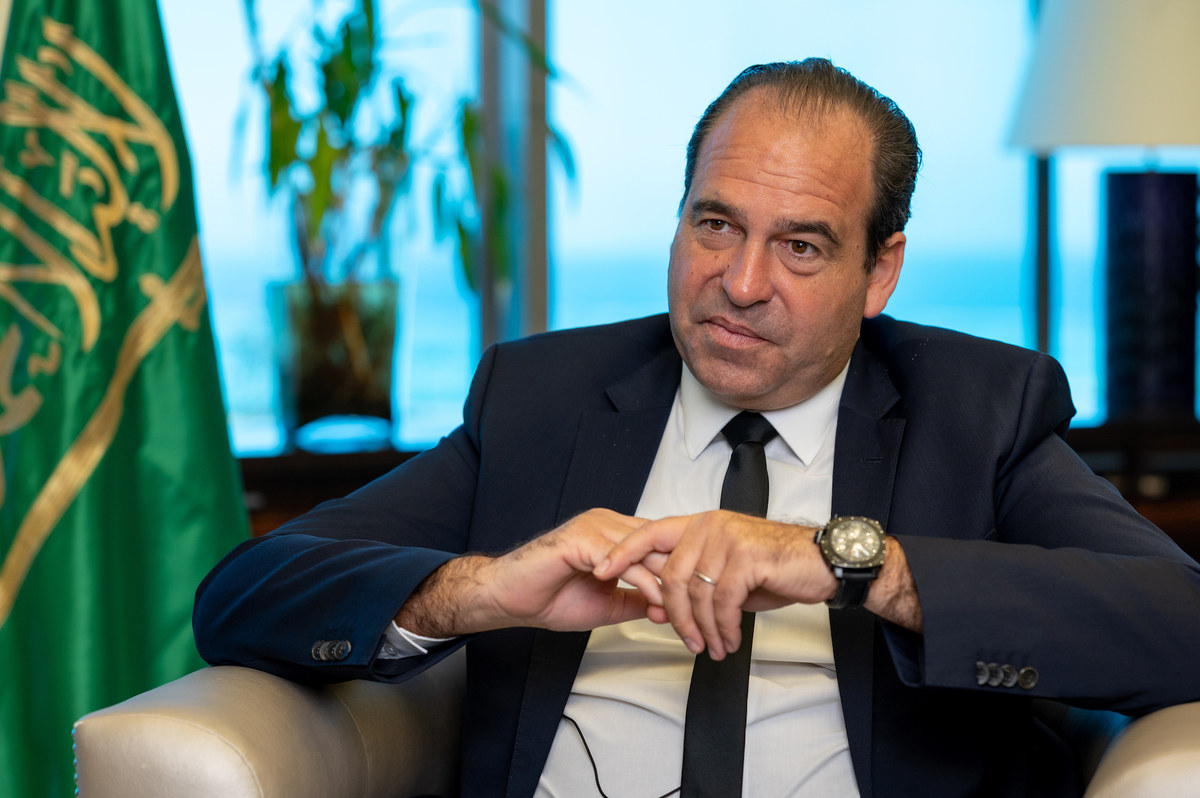
Cyril Piaia
Piaia has served in several urban projects in the Gulf including Orascom group’s cities in Oman, where he followed a strategy that limited the scope of work for the company to only become a master planner, developing only primary infrastructure and leaving the rest of the development to external investors.
“We cannot be experts in everything,” he said, highlighting KAEC’s new strategy to rely on third-party developers.
Piaia said by adopting this new strategy KAEC will be able to generate capital and fast track the city’s development as well.
HIGHLIGHTS
• The 185-million-square meters city is twice the size of Paris and includes three hotels, a college, a world-class golf club, and an advanced school.
• KAEC’s main focus today is to leverage on a special economic zone that combines its industrial valley with a port.
“If I do everything myself I’ll be limited by my own capital, I will do one project slowly after the other, on the contrary, if I shared the business with third-party developers I can develop the city on a fast track mode,” said Piaia.
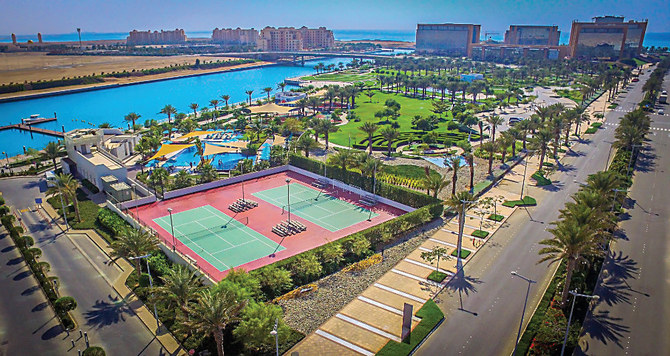
The 185-million square meters city is twice the size of Paris and includes three hotels, a college, a world-class golf club, and an advanced school called “The World Academy.”
We welcomed PIF into our shareholding with 25 percent share and that’s really the start of a new story, a rebirth for the city.
Cyril Piaia, KAEC CEO
The school started back in 2012 with 30 students, today it has around 600 students from 28 different nationalities.
KAEC and Giga projects
The CEO is finding KAEC as a good opportunity for the PIF to start testing what it wants to do in its giga projects under development.
“We, as a city, are a vision-ready platform where you can come and test your initiative with us, and then you can replicate it at a country level,” he said.
KAEC’s main focus today is to leverage on a special economic zone that combines its industrial valley with a port.
“What we need to do is integrate the port and the industrial valley together into one special economic zone that is 60 million square meters,” Piaia told Arab News.
This project, he added, will be an added value for the city as it would help attract leading investors to carry out operations in the city.
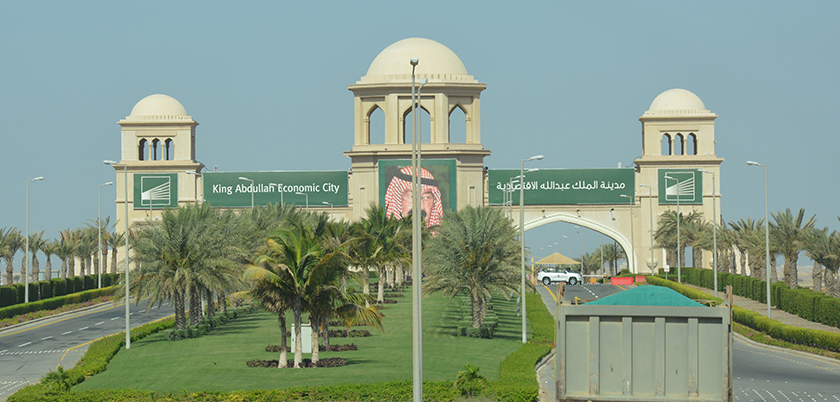
The city recently welcomed Lucid’s first electric vehicle plant outside the US.
The plant will produce up to 150,000 electric vehicles per year and help create several thousands jobs in the city.
The move has accelerated negotiations with similar parties to follow Lucid’s footprints.
KAEC in talks with other manufacturer to establish operations in the city, Piaia told Arab News without giving out the name of the companies.
Read More: PIF-backed Lucid targets 150k EVs a year from its first $3.4bn Saudi plant
The CEO’s new strategy involves focusing on what is known as KAEC’s downtown, which would help create density.
The only way to make a city living is by creating density, adding a heart to the city, increasing population in that area, and generating good business opportunities for retailers and F&B businesses, he said.
Tourism plan
Piaia’s strategy aims to place the rest of the city as a global tourism anchor.
KAEC signed an SR1.6 billion ($480 million) deal with the international hotel, Rixos. The CEO expects to see the hotel become operational during the last quarter of 2023.
The CEO is not worried about competition with other tourism projects in the Kingdom, as he believes that the targeted visitors are different.
“We don’t have the same customer segment, we are more into affordable luxury,” Piaia said.
KAEC also enjoys a competitive advantage being centered an hour away by train from both the holy cities of Makkah and Madinah.
The city already has a train station next door.
“We will offer pilgrim tourism where people will stay here, take the train and go directly to Makkah or Madinah.”