

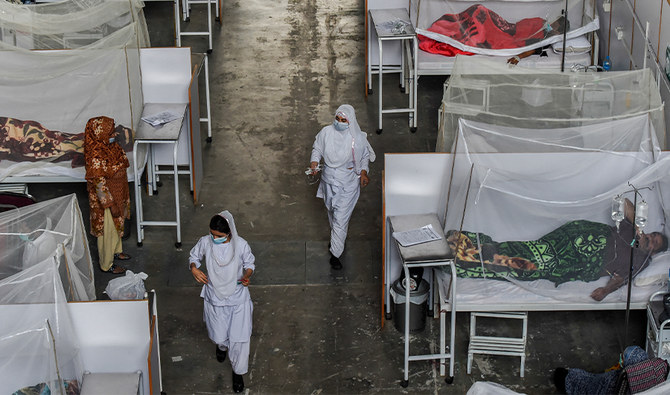

Paris: Tuberculosis (TB) may have been overtaken by Covid-19 as the world's deadliest infectious disease, but it continues to defy vaccines and antibiotics to wreak a grim global toll, with two-thirds of cases concentrated in eight countries: Bangladesh, China, India, Indonesia, Nigeria, Pakistan, the Philippines and South Africa.
Here are five things to know about an infection that has scourged the world for tens of thousands of years, ahead of World Tuberculosis Day on Thursday.
TB first emerged around 40,000 years ago, according to genetic studies.
For a long time, scientists believed that tuberculosis in humans came from TB in cattle, and that it had been transmitted when livestock farming started in the Neolithic Age.
But recent studies paint a different picture, showing that TB already existed in humans before they started to raise cattle. Traces of the illness have been discovered in human remains that are around 11,000 years old.
World TB Day is marked each year on March 24, the anniversary of the announcement of the discovery of the bacillus in 1882 by Nobel laureate Robert Koch of Germany.
It was, however, only in 1921 that France's legendary Pasteur Institute developed the Bacillus Calmette-Guerin (BCG) vaccine, which became one of the world's oldest and most trusted jabs.
A century on, the vaccine is still in use and is particularly effective in preventing tuberculosis in children, but results are variable in adults.
In the 1940s and 1950s, the discovery of streptomycin and other antibiotics made it possible to treat pulmonary TB, the most common form of the disease amongst adults and teens.
But drug-resistant strains of tuberculosis emerged, forcing doctors to use antibiotic cocktails to efficiently muzzle the bacteria and to apply their treatment over several months.
Some strains are resistant to several TB drugs, forcing the use of alternative treatments for many months and leading in some cases to therapeutic failures.
TB was the world's second-deadliest infectious disease after Covid-19 in 2020 (the latest year for which figures are available), accounting for 1.5 million deaths, according to the World Health Organization (WHO).
Covid killed more than 1.8 million people that year, according to an AFP count based on official figures.
Before Covid emerged, TB had occupied the top spot, claiming more lives than HIV/AIDS, which cost 680,000 lives in 2020 according to UNAIDS.
TB is also a major cause of death amongst people living with HIV.
Disruptions in access to healthcare because of the Covid pandemic have erased years of progress toward tackling the curable disease.
As a result TB is on the rise again globally, with the number of deaths rising by seven percent in 2020.
TB is present on all five continents, but developing countries are disproportionately affected.
In 2020, two regions accounted for the biggest number of new cases: southeast Asia recorded 43 percent of the new cases and Africa 25 percent, according to the WHO.


