

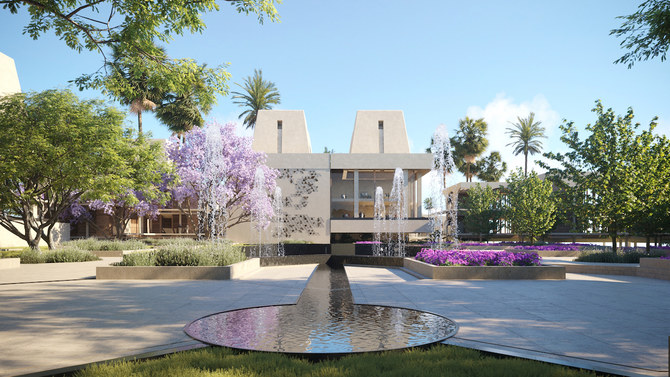
How a Saudi luxury tourism site uses underground water to lure visitors

Short Url
Updated 22 March 2022
Follow

How a Saudi luxury tourism site uses underground water to lure visitors

  • AMAALA makes a splash on World Water Day

RIYADH: The first global integrated family wellness destination along the northwestern Red Sea coastline of Saudi Arabia had much to cheer about as environmentalists celebrated UN World Water Day, which this year is themed “Groundwater – Making the Invisible Visible” on Tuesday. 

AMAALA, as the project is known, is ready to complete its initial phase of development by the end of 2024 by opening nine hotels. The aim is to provide a tourism experience without using the underground water in its spas.

Spanning over 4,155-sq.-km, the project will feature unique heritage and landscape, pristine ecosystems and state-of-the-art facilities.

Although the heart and soul of a luxury spa is the natural water from the area, according to its Wellness Director Stephan Wagner, AMAALA will not compromise the sustainability for the wellness experiences.

“As in keeping with AMAALA’s sustainability pledges, all assets including spas must meet the company’s regenerative targets,” he informed.
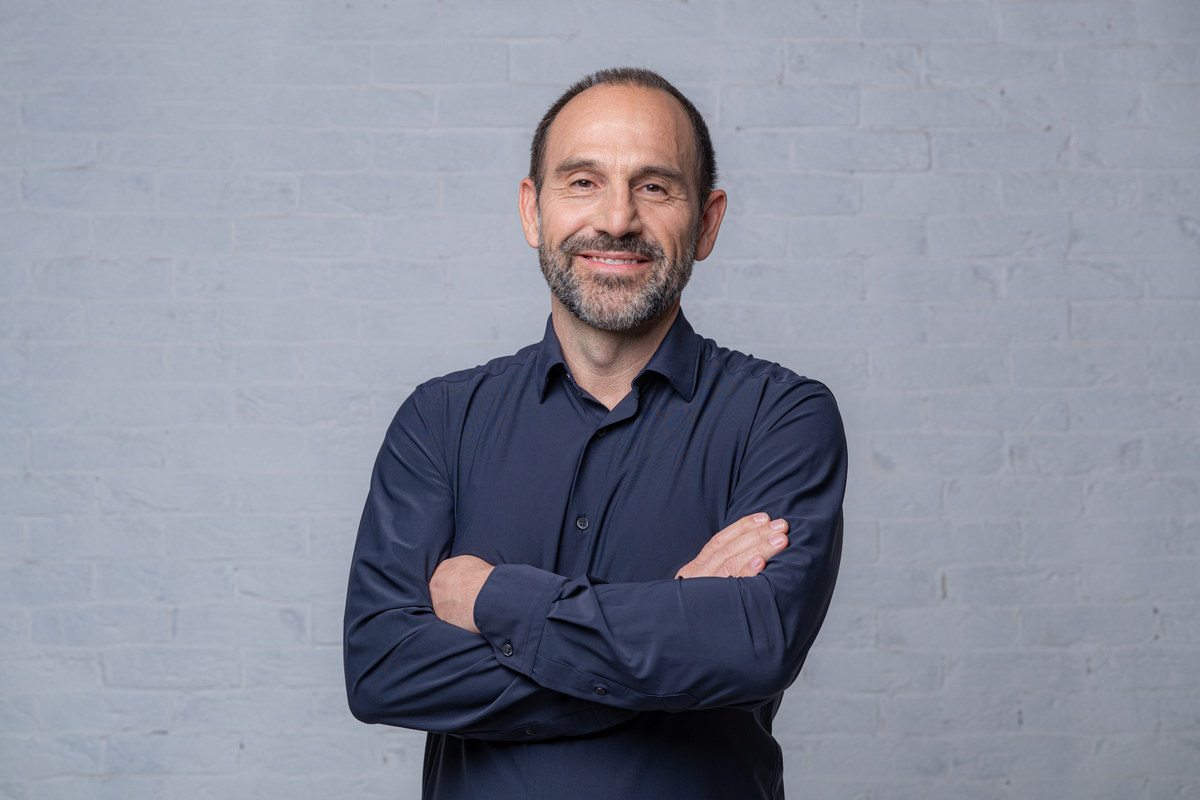


Stephan Wagner, Wellness Director, AMAALA

Talking of water — the main component as a natural resource at wellness centers and spas — it will apparently be well used in designs and treatments at AMAALA. Wagner explained with enthusiasm how the wellness centers and spas will be used for treatment.

“For thousands of years now, people have been using the power of water to heal ailments, to detoxify, to improve their appearance and to pamper themselves,” he explained.

“Therapeutic bath culture goes back more than 3,000 years. Water is a healing agent and bathing in it for 15 and more minutes is literally a treatment. Minerals can be absorbed through the skin barrier such as magnesium, zinc, potassium or sulphur which helps with muscle and joint pain. We will design unique mineral baths circuits, floating pools with underwater sound systems and vitality pools with the underwater massage jets,” he added.

Asked how frequent multisensory experience of clean water that is very good for psycho-physiological well-being, will help drive more tourists Wagner’s replied: “In addition to the pool and swimming features in the resorts, we will encourage inviting guests to bathe and soak in the lagoons and private pristine beaches at AMAALA.”
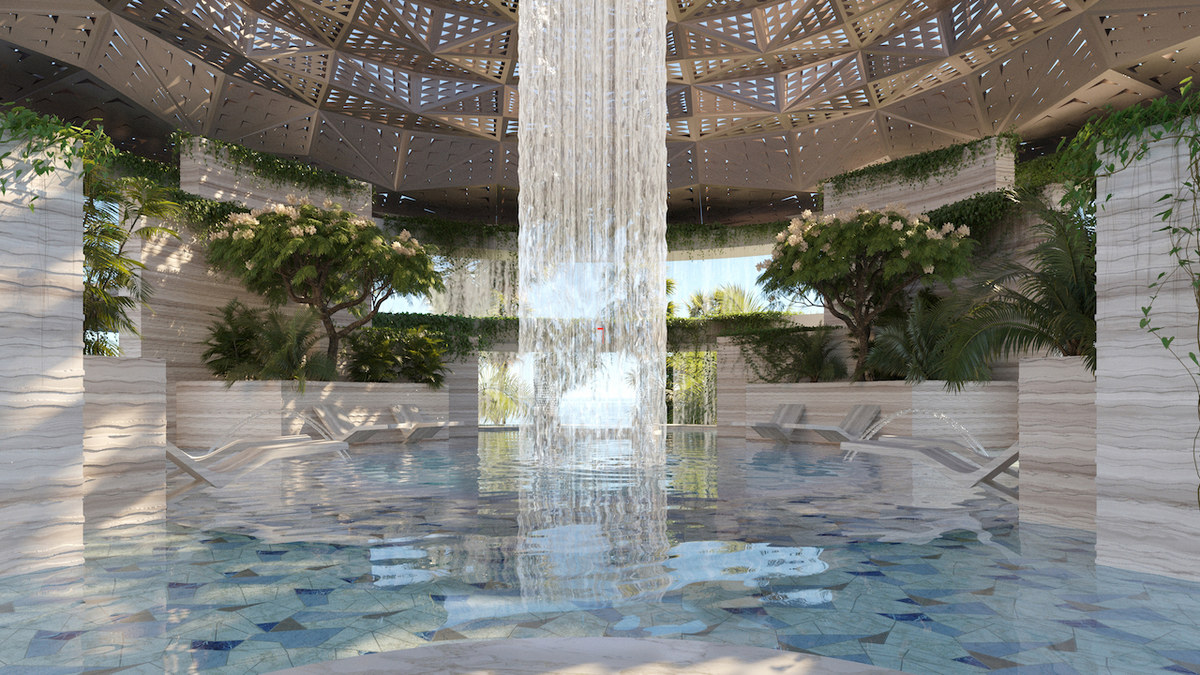
The wellness director was also eager to talk about the spa, which he hoped would be a big attraction for tourists who want to unwind and relieve their muscles.

“The word spa in Latin means Sanus per Aquam meaning health through water,” he said. “If you are healthy, water can further elevate your health and if you suffer from any ailments our wellness and medical staff will advise which pools and treatments are best for you.”

Inspired by the arts, wellness and the purity of the Red Sea, the luxury destination that is hidden in plain sight aims to redefine the definition of “wellness”. It will, not surprisingly, be a place of self-transformation.

People behind this project hope that it would be an added boon to the Kingdom’s economy and could create up to 50,000 jobs in the future.

As a significant driver of domestic and foreign direct investment, stimulating economic growth and job creation, AMAALA will support the diversification of Saudi Arabia’s leisure and tourism industry. 


IsDB announces $2.41bn in new financing for strategic development sectors

Updated 24 February 2026
Follow

IsDB announces $2.41bn in new financing for strategic development sectors

JEDDAH: The Islamic Development Bank has approved $2.41 billion in new financing for a series of transformative projects during its 364th Executive Board meeting, chaired by IsDB President Mohammed Al-Jasser.

The approvals underscore the bank’s ongoing commitment to regional cooperation, economic development, and climate- and environment-friendly investments that advance the UN Sustainable Development Goals across its member countries.

The new financing includes an additional $40 million for the Central Asia–South Asia Electricity Transmission and Trade Project (CASA-1000) in Tajikistan, aimed at boosting regional energy trade, improving electricity access and reliability, and mitigating climate change through the export of clean and renewable energy.

The bank also approved €116 million ($135 million) to upgrade Senegal’s Dakar Expressway Project.

The initiative is designed to improve health, education, and economic services for local populations, reduce traffic congestion and peak travel times, and enhance road safety measures to halve traffic-related deaths and injuries, with a particular focus on women and young pedestrians.

A $1.307 billion allocation was approved for Kazakhstan’s Economic and Industrial Zones Project to foster sustainable industrial development.

The initiative is expected to promote economic diversification, attract investment, create jobs, and boost global competitiveness through infrastructure upgrades and operational efficiency in special economic zones, industrial zones, and specialized industrial zones.

Bahrain will receive $330.07 million to expand its industrial capacity and strengthen economic competitiveness. The funding will support the development of modern industrial land with resilient infrastructure, advanced export-oriented manufacturing, effective internal connectivity, and reclaimed land facilities.

The project aims to stimulate private investment, generate employment, and reinforce Bahrain’s position as a regional industrial and logistics hub.

The IsDB approved $160 million to enhance utilities, water, and urban development sectors in Jordan.

The financing will secure future drinking water supply for Aqaba, Amman, and northern regions, support climate adaptation and mitigation, foster economic growth, and promote private sector participation in sustainable, long-term water solutions to alleviate severe water stress.

Azerbaijan was granted $436.67 million to improve agricultural productivity by reducing irrigation water losses and supporting sustainable rural development, in line with Azerbaijan’s 2030 vision.

The project will also promote green growth, strengthen climate resilience, and ensure long-term food security.

The approved projects reflect the IsDB’s strategic focus on fostering sustainable and inclusive growth across member countries by addressing critical infrastructure, energy, water, transport, and industrial development challenges.

These initiatives are expected to deliver lasting impact and contribute effectively to achieving the Sustainable Development Goals.