


RIYADH: The Saudi Ministry of Culture is hosting an event to let the Kingdom’s youth interact with the customs and traditions of the Bedouin across the Arabian Peninsula.
“The Sadu Tale” is running from March 16-20 at the Cultural Palace in Riyadh’s Diplomatic Quarter.
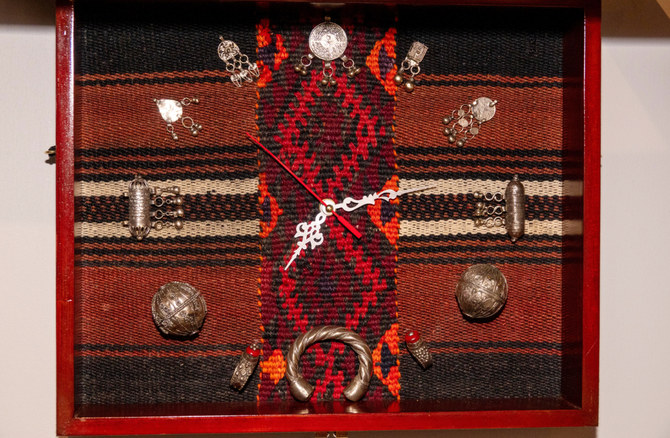
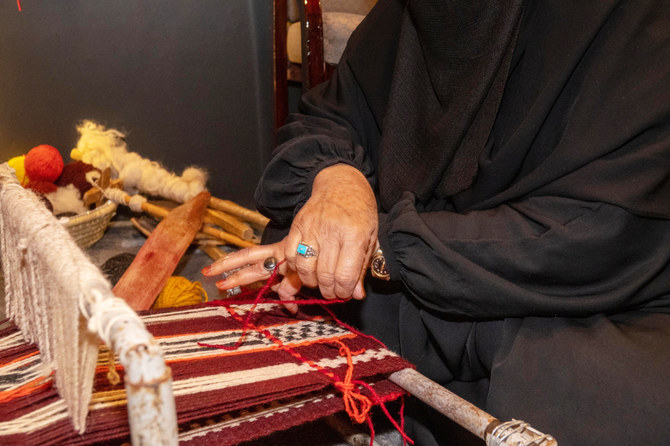
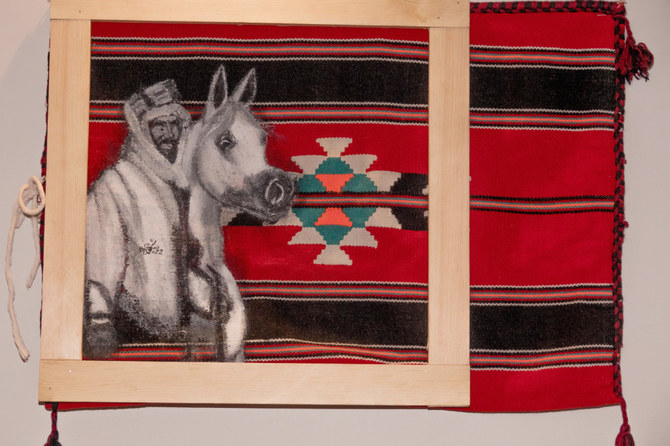
Sadu, a traditional embroidered Bedouin fabric weaved from camel hair, goat hair, or sheep’s wool, is a common feature in traditional clothing across the Arabian Peninsula.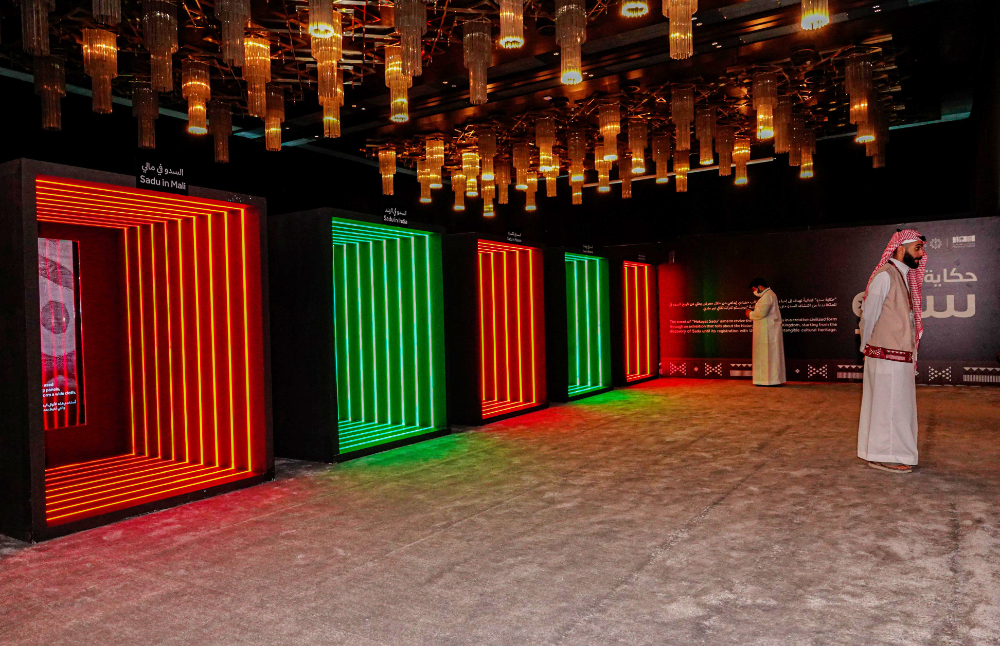
It is also used in the construction of the Bait Al-Sha’ir, the Bedouin tent which protects those inside from the heat of the sun and the cold of the desert.
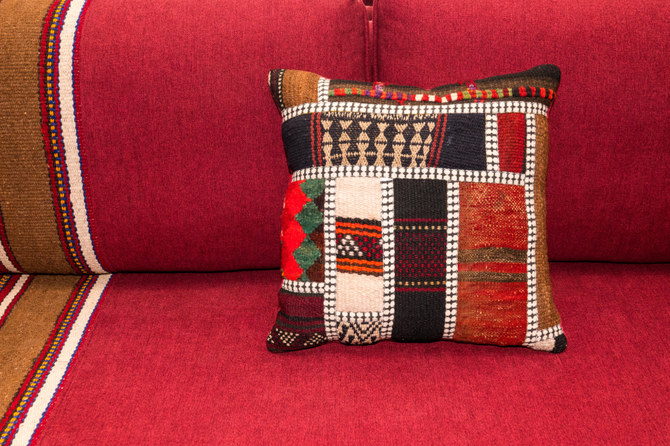
Raef Bukhari took part in the exhibition with his family business, Desert Designs, bringing along home pieces like couches and chairs made in the Al-Sadu style.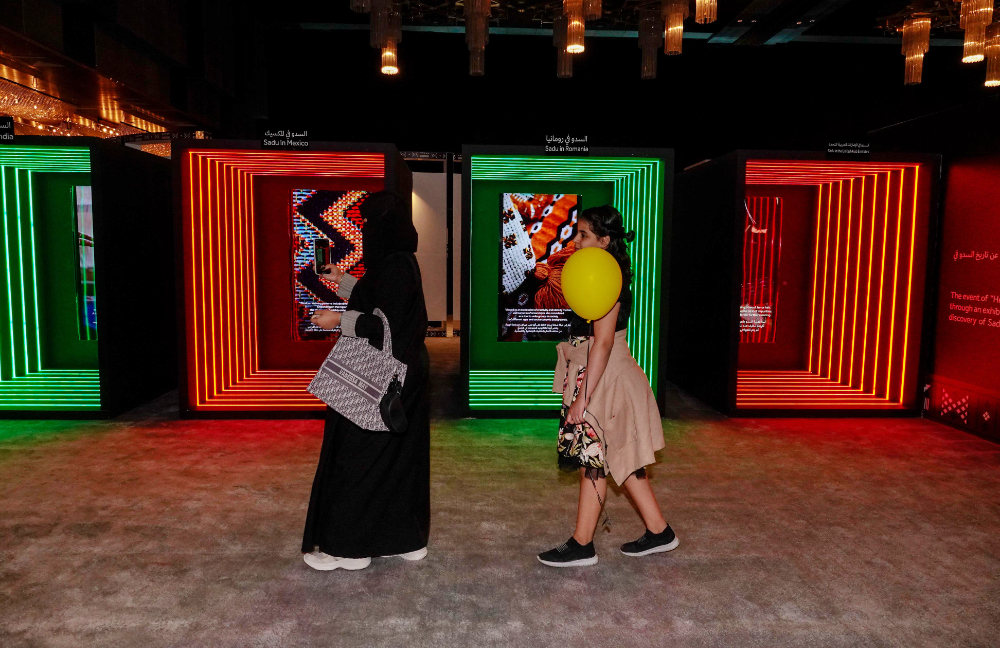
“All the Sadu that we use is natural from camels hair and sheep wool. We implement them in the pieces in a modern way. Before Sadu became a trend, it was always our style in Desert Design to mix different kinds of Sadu together in one piece.”
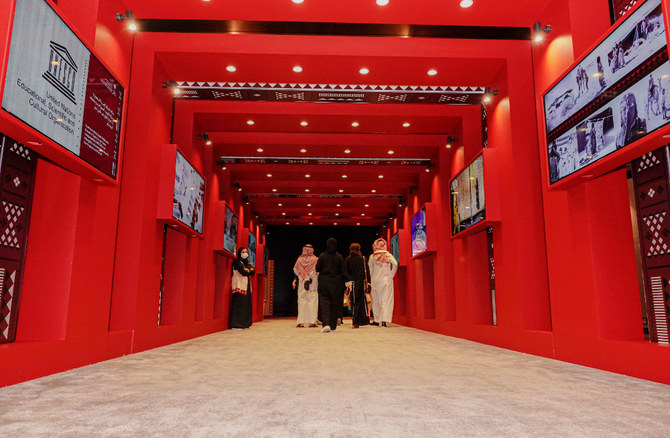
The unique exhibition features a variety of activities that emphasize Sadu and its ties to the Kingdom’s history — from its beginnings to its UNESCO designation as containing intangible cultural heritage.
When entering the event, visitors will find hologram arts explaining that Sadu is known in countries as wide-ranging as Mali, India, UAE, Romania and Mexico.
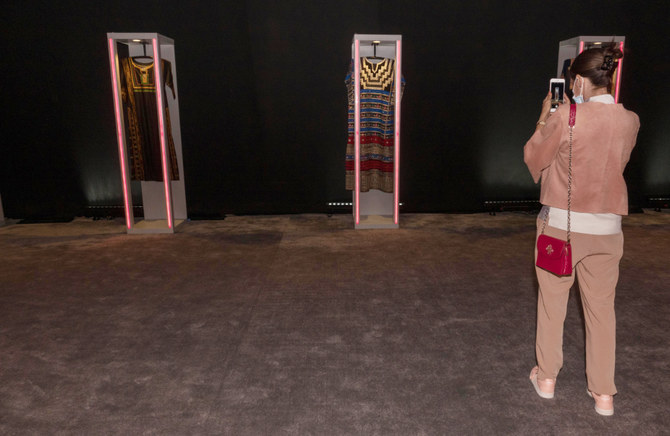
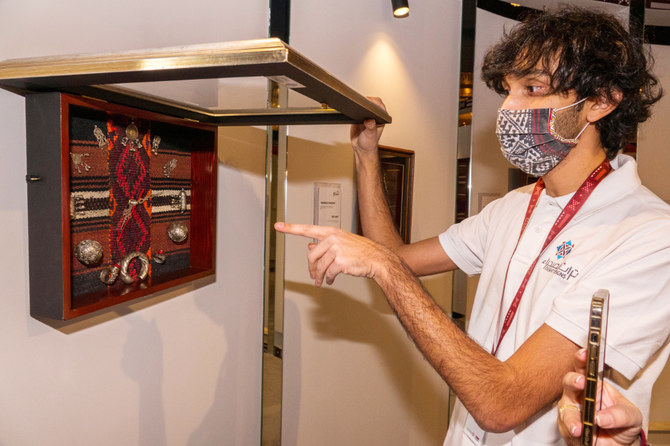
There are five main sections in the exhibition: Sadu Across Continents, Sadu Weaving Exhibition, Art Exhibitions, Sadu Fashion Exhibition and Saudi Sadu in the Eye of the World.
There are also accompanying events from Saudi designers, with craftsmen and musicians taking part to create a culturally enriching experience for visitors.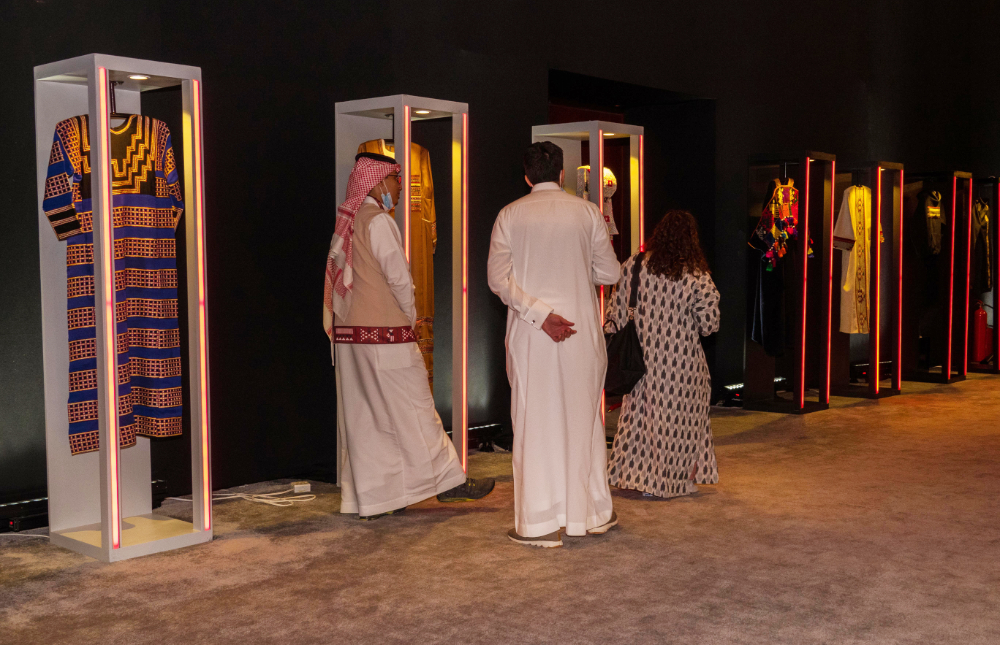
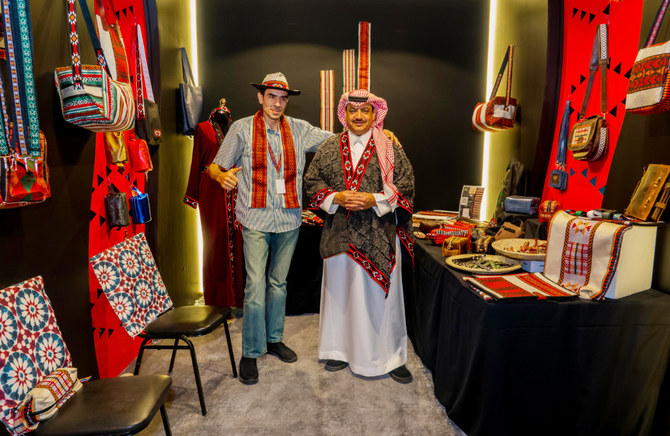
Lujain Al-Zuaby, a fashion designer who took part in the event, said: “This event tells everything about our business. We make leather pieces mixed with Sadu art and what is amazing is that you are carrying a piece of art that was there for 300 years.”
Umm Fahad, a Sadu craftswoman at the exhibition who makes handbags, belts and wall pieces, also took part in Dubai Expo 2020, and said that the Ministry of Culture supported her “financially and morally.”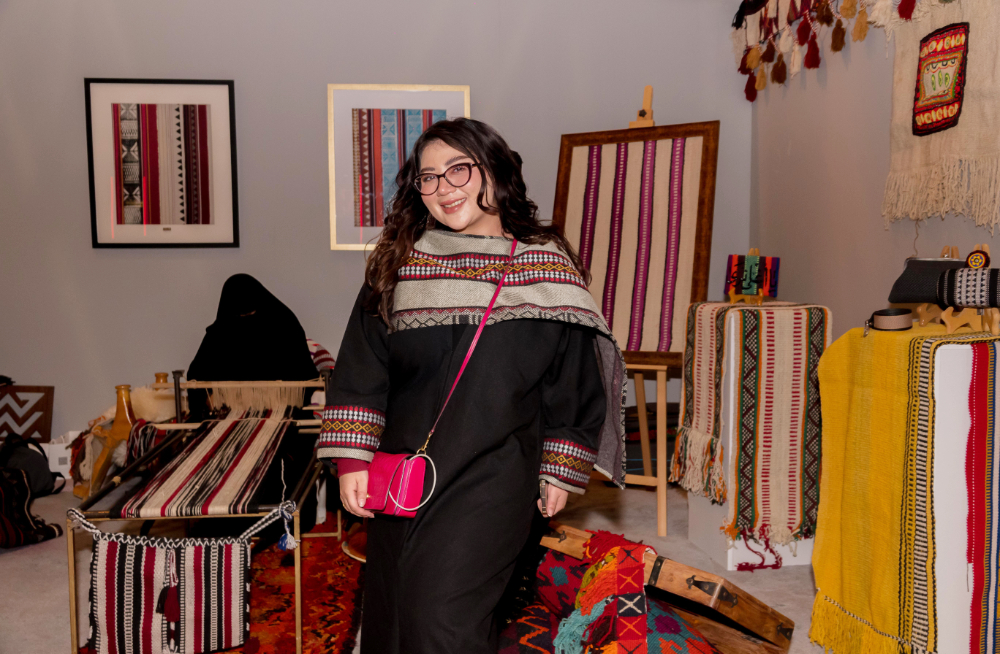
She said: “I started knitting when I was 13 years old with my mother, and in our time it was a necessity because we needed this craft to make tents and Bait Al-Sha’ir. We bring sheep wool and we color it to make amazing shapes.”
The exhibition also features a corner for children, who can take part in “The Legacy of Generations,” an interactive educational game.
The Kingdom is hosting cultural events to preserve heritage and customs. Recent efforts include Founding Day, Diriyah events, the Made in Saudi Expo and the AlUla Design Award.