

Lithium prices to hinder energy transition; Ford to cut vehicle production: NRG matters

(Shutterstock)
Short Url
Updated 07 February 2022
Follow

Lithium prices to hinder energy transition; Ford to cut vehicle production: NRG matters

RIYADH: The energy sector is being swamped with shortages as a lack of certain key materials and supplies have led to warnings of power cuts and an increase in prices.

Looking at the bigger picture:

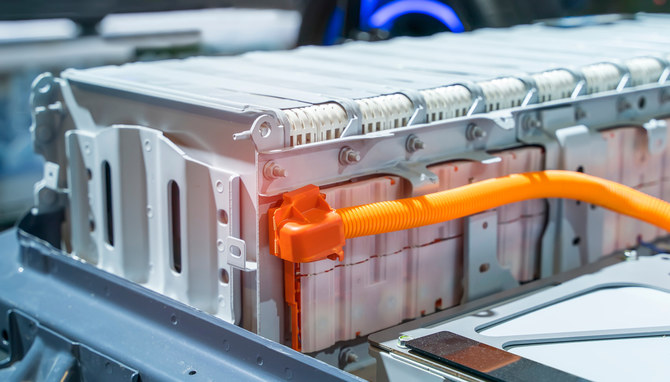
  • A deficiency in lithium carbonate and lithium hydroxide — used for manufacturing batteries for mobiles and electric cars — has accounted for a sharp rise in prices, the Financial Times reported. The jump in costs is projected to hinder the energy transition process.
  •  The French government is allowing electricity producers to burn more coal through February to secure enough electricity supply, Bloomberg reported. This comes after the nation’s grid operator warned there could be power shortages.
  • The US Postal Service says it has capacity to order more than the 5,000 electric vehicles it has already purchased if extra funds from the Congress are made available, Bloomberg reported. With no such funding at hand, the agency is forced to “make fiscally responsible decisions,” which will include purchasing gasoline powered vehicles, Bloomberg reported, citing Postmaster General Louis DeJoy.
  • Egypt's Environment Ministry is working with the Egyptian stock exchange on a proposal to set up a platform that would allow companies to buy and sell carbon credits, local newspaper Al Mal reported.

Through a micro lens: 

  • American multinational automobile manufacturer Ford will cut vehicle production of multiple vital cars in the upcoming week amid global semiconductor chips shortage, CNBC reported. The vehicles affected include the Mustang Mach-E electric crossover and Bronco SUV, among others. 

Saudi Arabia ranks 2nd globally in digital government, World Bank 2025 index shows


Updated 18 December 2025
Follow

Saudi Arabia ranks 2nd globally in digital government, World Bank 2025 index shows


WASHINGTON: Saudi Arabia has achieved a historic milestone by securing second place worldwide in the 2025 GovTech Maturity Index released by the World Bank.

The announcement was made on Thursday during a press conference in Washington, DC, which evaluated 197 countries.

The Kingdom excelled across all sub-indicators, earning a 99.64 percent overall score and placing it in the “Very Advanced” category.

It achieved a score of 99.92 percent in the Core Government Systems Index, 99.90 percent in the Public Service Delivery Index, 99.30 percent in the Digital Citizen Engagement Index, and 99.50 percent in the Government Digital Transformation Enablers Index, reflecting some of the highest global scores.

This includes outstanding performance in digital infrastructure, core government systems, digital service delivery, and citizen engagement, among the highest globally.

Ahmed bin Mohammed Al-Suwaiyan, governor of the Digital Government Authority, attributed this achievement to the unwavering support of the Saudi leadership, strong intergovernmental collaboration, and effective public-private partnerships.

He highlighted national efforts over recent years to re-engineer government services and build an advanced digital infrastructure, which enabled Saudi Arabia to reach this global standing.

Al-Suwaiyan emphasized that the Digital Government Authority continues to drive innovation and enhance the quality of digital services, in line with Saudi Vision 2030, supporting the national economy and consolidating the Kingdom’s transformation goals.

The 2025 GTMI data reflects Saudi Arabia’s excellence across key areas, including near-perfect scores in core government systems, public service delivery, digital citizen engagement, and government digital transformation enablers. This balanced performance places the Kingdom firmly in the “Grade A” classification for very advanced countries, demonstrating the maturity of its digital government ecosystem.

Saudi Arabia’s progress in the index has been remarkable: from 49th place in the 2020 edition, to third in 2022, and now second in 2025, confirming its status as a global leader in digital transformation and innovation.

The achievement also reflects the Kingdom’s focus on putting people at the center of digital transformation, enhancing user experience, improving government efficiency, and integrating artificial intelligence and emerging technologies across public services.