- A senior official in Balochistan says Iranian authorities had assured Pakistan to control cross-border attacks in the past
- Pakistan army linked overnight attacks on security personnel in Panjgur and Naushki to handlers in Afghanistan and India
KARACHI: A senior official in Balochistan province said on Thursday the militants who targeted security forces in Panjgur and Naushki could have traveled to Pakistan from Iran, adding such cross-border attacks constituted a major concern and were previously discussed by border authorities in both countries.
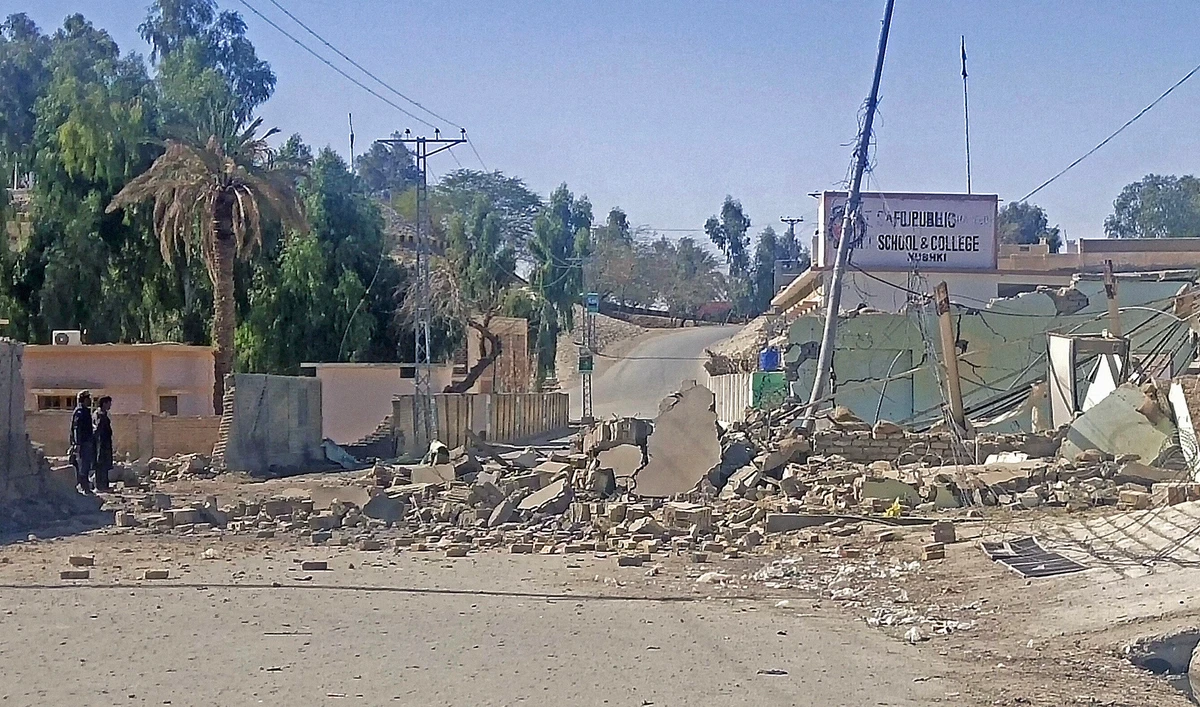
The statement was issued hours after the Pakistani military said its intelligence had linked overnight twin attacks on Frontier Corps bases to handlers in India and Afghanistan.
The attacks in Panjgur and Naushki that killed at least seven troops and left 13 militants dead were claimed by the separatist Baloch Liberation Army, which said it had used suicide bombers to enter the bases.
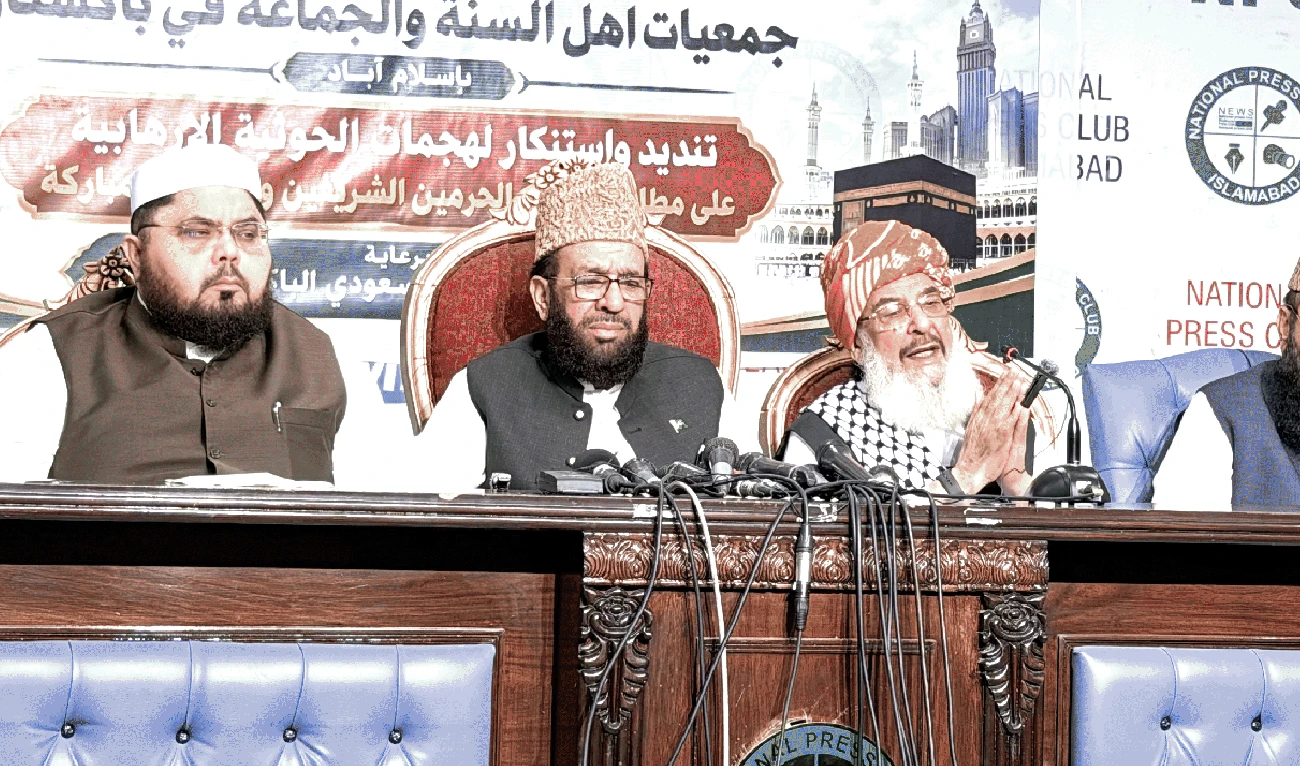
Addressing a news conference in Quetta, the advisor to Balochistan chief minister on home affairs said the militants could have used the Iranian soil and traveled from the neighboring country.
“They get support from Afghanistan from time to time,” Meer Zia Ullah Langau said. “They come and go [there] and the attacks which happened this time, you know, that we have a very long border with Iran. It is not necessary that state elements [from Iran] were supporting them. They [the militants] have relatives [across the border]. They visit each other, so there may also be non-state elements. So, they [militants] have some easy access from there [Iran] as well.”
Asked if the Pakistani authorities had taken up the issue with Iranian authorities, Langau said officials in the neighboring country had assured to look into the matter and bring it under control.
“When the meeting [of border management committee] was held the other day … we brought into their notice all these things and they assured us too that if something is happening from their side of the border, they will look into it and will also control it,” he added.
The Pakistan-Iran border, which begins at the Koh-i-Malik Salih mountain and ends at Gwadar Bay in the Gulf of Oman, includes a diverse landscape of mountain ridges, seasonal streams and rivers.
It is also notorious for human trafficking, smuggling and cross-border militancy.
In April 2019, Pakistan demanded Iran to act against “terrorist camps” in its border regions following an attack in Balochistan that left 14 army personnel dead.
The move came amid fears that the situation could escalate into a full-blown conflict between the two countries if it was not properly addressed.
“We have identified terrorist camps that exist in Iran’s border areas,” Pakistan’s foreign minister Shah Mahmood Qureshi said after gunmen belonging to an alliance of three Baloch separatist organizations disguised as Pakistani security officials and killed 14 army personnel on the Makran coastal highway.