- Pakistan recorded “abnormal increase” of 711 percent in cryptocurrency value in 2021
- Cryptocurrency and property remained best performing asset classes in 2021
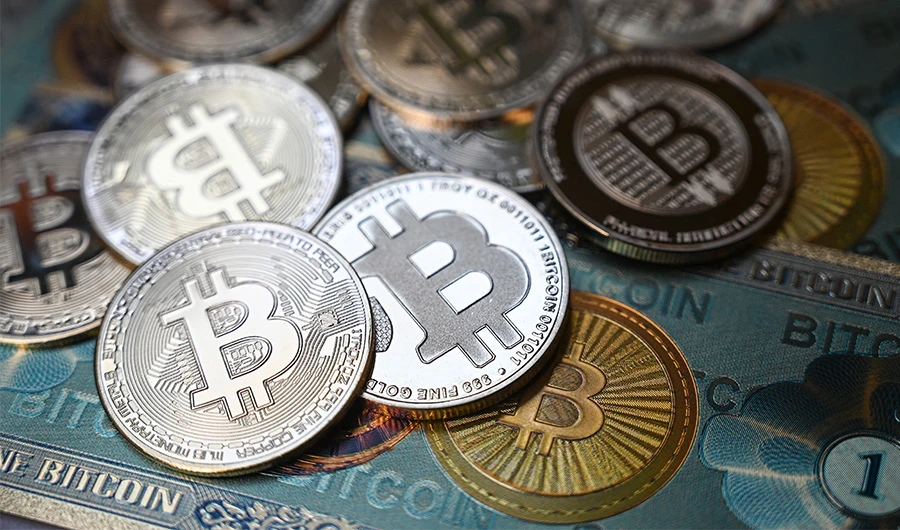
KARACHI: Cryptocurrencies and property remained top performing assets in Pakistan during the outgoing year, with the country recording about $20 billion in cryptocurrency value in 2021, an amount in excess of current federal reserves, according to new research studies.
Pakistan’s central bank declared in 2018 that virtual currencies like Bitcoin were not legal tenders issued or guaranteed by the country’s government. But despite not being recognized by the State Bank of Pakistan (SBP), interest in cryptocurrencies has been on the rise. The country ranked third in the global crypto adoption index in 2020-21 after India and Vietnam.
“Pakistan recorded around $20 billion of cryptocurrency value in 2020-21, showing an abnormal increase of 711 percent,” the Federation of Pakistan Chamber of Commerce and Industry (FPCCI), the country’s top trade body, said in a new research report.
The central bank has not commented on FPPCI’s findings so far.
Cryptocurrencies thrived during the coronavirus pandemic on the back of retail investor influx, huge leverage availability and low transaction costs, FPCCI said.
“The biggest crypto exchange used by Pakistani investors is Binance which is headquartered in Cayman Island whereas other renowned platforms include Localbitcoins.com, Binomo and others,” the chamber’s report said.
About 67 percent of crypto investors in Pakistan use centralized services whereas only 33 percent use decentralized financing (DeFi) platforms for crypto-related transactions. The peer-to-peer model for investing in cryptocurrencies works in a way that buyers transfer money directly to sellers whereas service providers act as intermediaries and provide escrow services to hedge counterparty credit risks.
Traditional international payment instruments, such as debit and credit cards, cannot be used for the purchase of these currencies due to the SBP’s prohibition on financial institutions under its umbrella.
Most investors, therefore, use bank transfers or utilize other means like JazzCash or EasyPaisa for the purpose, said the FPCCI report.
While Pakistan’s northwestern Khyber Pakhtunkhwa province unanimously passed a resolution to legalize cryptocurrency in December 2020 and formed an advisory committee in March 2021, it acknowledged that the ultimate decision on digital currency could only be taken by the federal government.
The FPCCI has demanded a national cryptocurrency strategy, saying there should be a proper regulatory framework to adopt the new financial ecosystem at the earliest to safeguard the economic interests of people and minimize the vulnerabilities of the new system.
There are more than 5,000 different cryptocurrencies in circulation in the world. These virtual or digital currencies are based on blockchain technology which is a decentralized ledger of all transactions across a peer-to-peer network.
“Amongst major asset classes used by local investors, cryptocurrency and property remained the best performing asset classes in Pakistan in 2021,” another report issued by Topline Securities, a major brokerage house in Karachi, said on Friday.