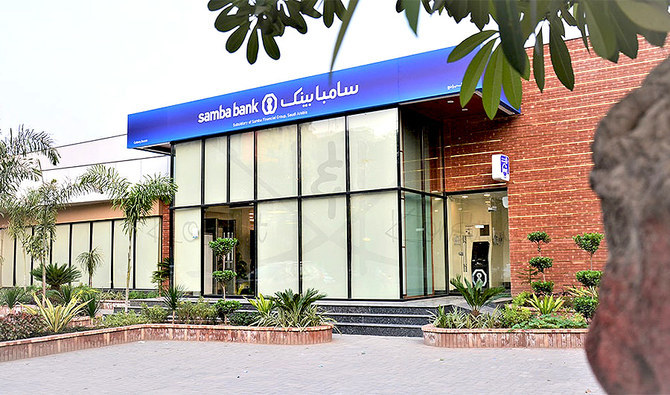
KARACHI: Pakistan’s Fatima Fertilizer Company plans to acquire Samba Bank Pakistan (SBL), a subsidiary of Saudi National Bank (SNB), after evaluation and due diligence of the bank, a stock filing on Monday said.
Last month, Pakistan’s central bank granted approval to SNB, the immediate parent company of Samba Bank, to start the sell-off process of SBL and undertake due-diligence.
SBL is a subsidiary of SNB, formally SAMBA Financial Group (SFG), which holds 84.51 percent shares of the bank as of September 30, 2021.
On Monday, according to a material disclosure submitted by the company to the Pakistan Stock Exchange, the Board of Directors of Fatima Fertilizer accorded “in-principal approval to the Company (Fatima) to evaluate and pursue (including as part of a consortium of parties) the potential acquisition of the majority shareholding (i.e. approximately 84.51 percent) of Samba Bank Limited.”
The company is allowed to evaluate and conduct a due diligence of Samba Bank prior to the approval of the final transaction.
The acquisition of SBL is subject to “obtaining the requisite permission of the State Bank of Pakistan, appoint advisers and consultants, carry out necessary disclosures and regulatory steps/procedures, obtain regulatory approvals and carry out negotiations.”
“Furthermore, the Board authorized persons to take necessary actions and steps prior to final approval of the Board for the proposed transaction,” the filing added.
SNB in September this year announced that it was considering all strategic options in relation to its shareholding in Samba Pakistan Limited, including potential mergers, acquisitions, divestment and/or restructuring as part of a strategic review. Subsequently, SNB announced that it had decided to divest SBL.
SNB will commence an orderly and well-managed divestment of SBL subject to final board evaluation of the offers received, the bank has informed its shareholders, saying it had appointed advisers to assist the SBL management with the process and as necessary, provide consultancy to the management of the Bank on engagements with regulators in Pakistan.
TSBL, which has a network of 43 branches located in 14 major cities across the country, will be offered for sale to potential buyers after the evaluation of the bank’s assets and liabilities.
SFG, from Saudi Arabia, entered into a legally binding merger agreement with The National Commercial Bank (NCB) of Saudi Arabia in October 2020, according to a financial report of Samba Bank.
As per the agreement, SGF was merged into NCB with effect from April 2021 in accordance with the applicable laws of the kingdom and NCB was renamed the Saudi National Bank from the effective date of merger.
Consequent to the merger, all assets and liabilities of SFG, including its shareholding in the Bank, stood vested in SNB by operation of law and SFG ceased to exist from the effective date of merger.


![]()

Pakistan’s Fatima Fertilizer to acquire Saudi Samba Bank from Saudi National Bank
Short Url
https://arab.news/9tx3y
Pakistan’s Fatima Fertilizer to acquire Saudi Samba Bank from Saudi National Bank
- Last month, Pakistan’s central bank granted approval to Saudi National Bank to start the sell-off process of SBL and undertake due-diligence
- SNB in September this year announced that it was considering all strategic options in relation to shareholding in Samba Pakistan Limited
Latest updates


© 2026 SAUDI RESEARCH & PUBLISHING COMPANY, All Rights Reserved And subject to Terms of Use Agreement.