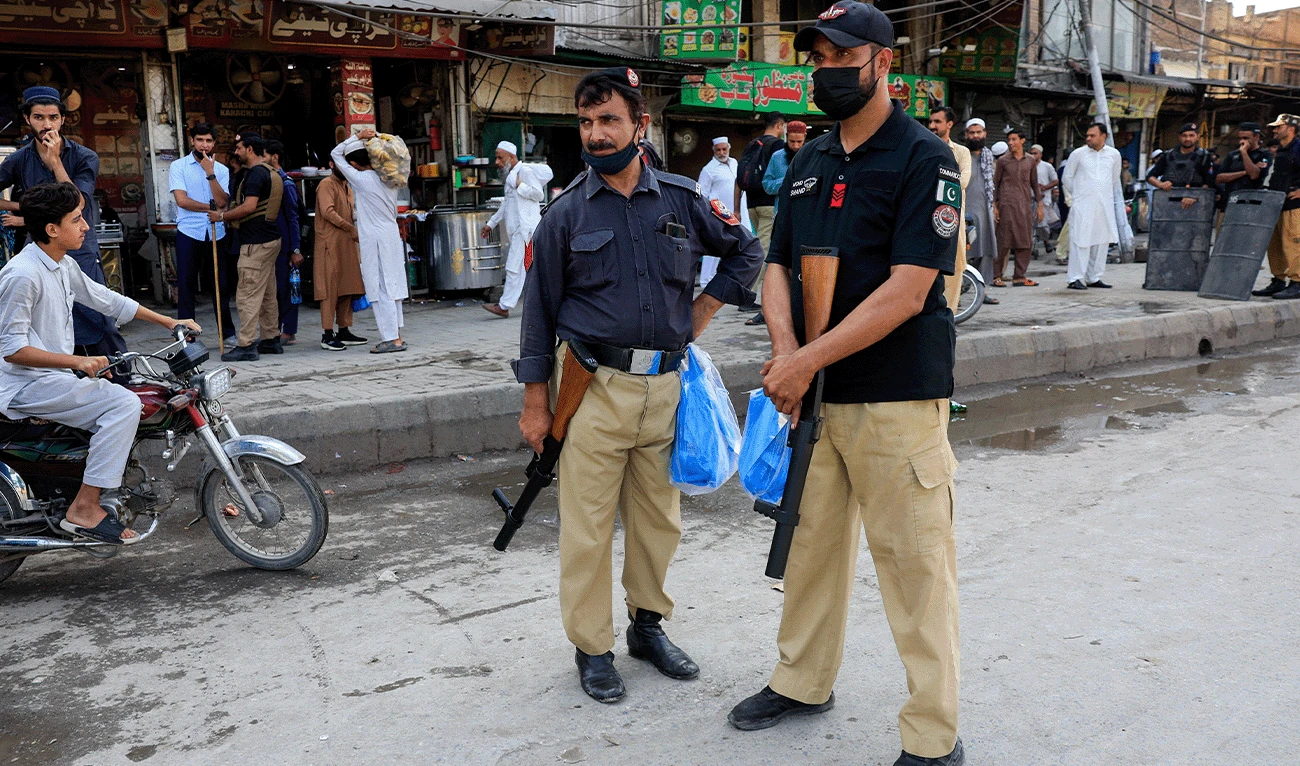
- Locals of port city have long complained Chinese presence and investment there has done little to improve residents' lives
- Protests against the lack of basic facilities have gone since November under the banner of “Give Gwadar its Rights”
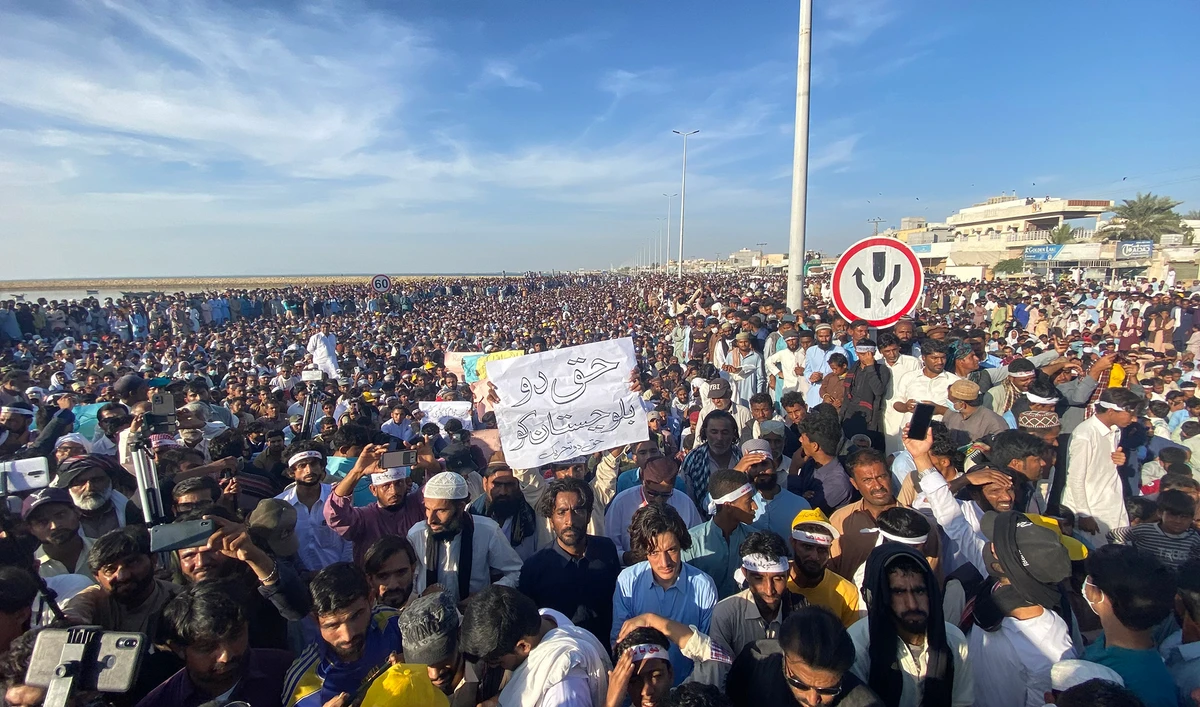
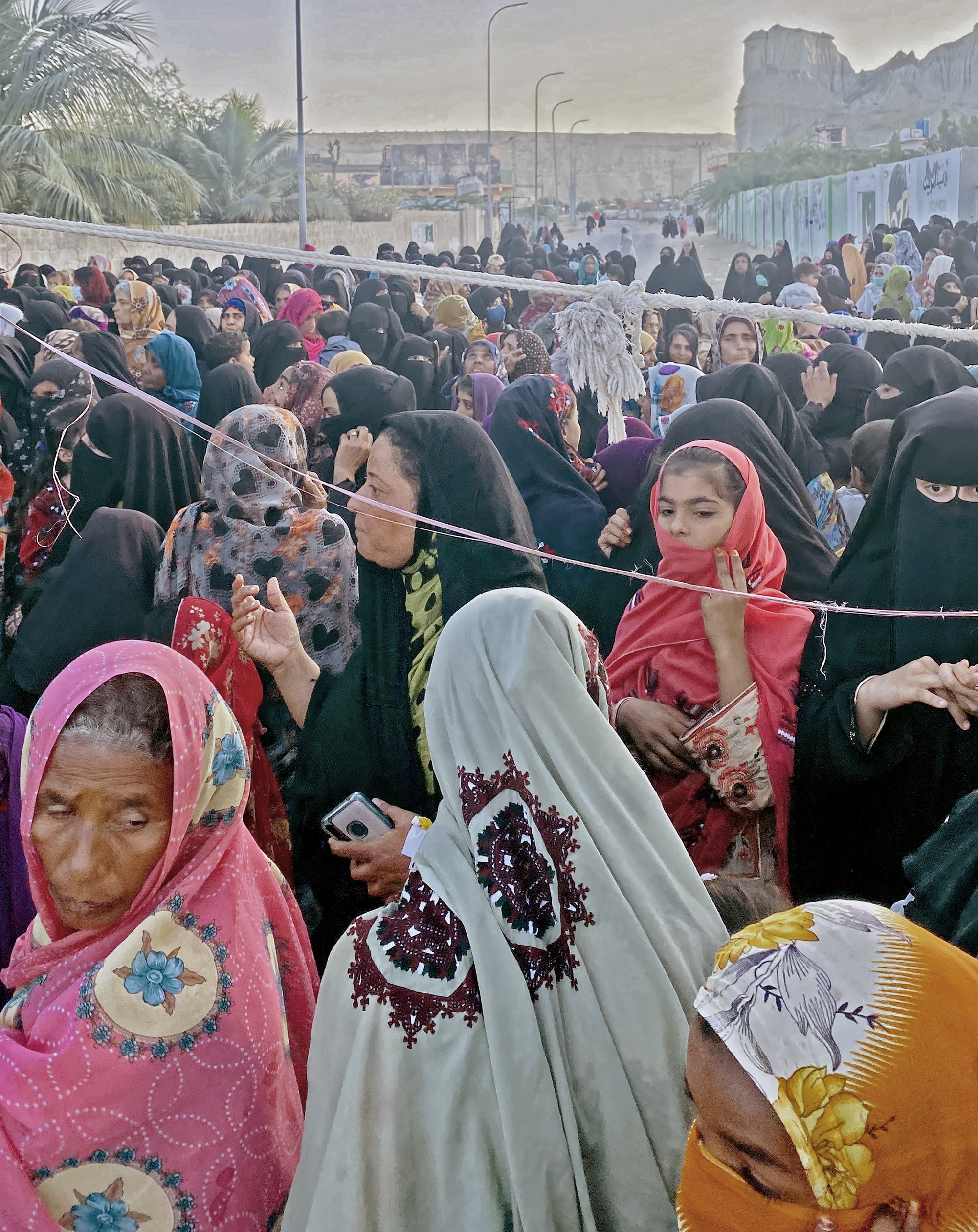
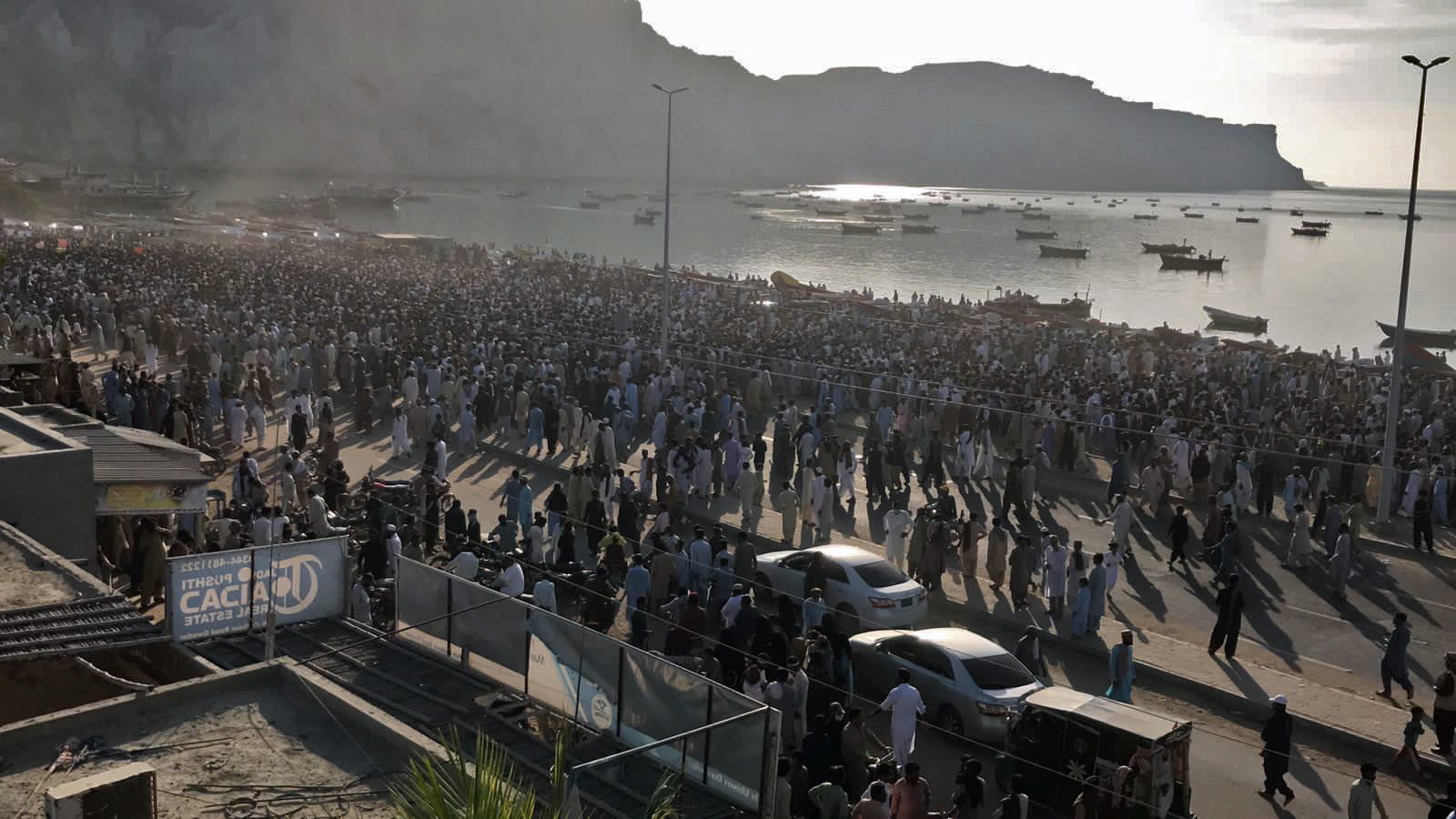
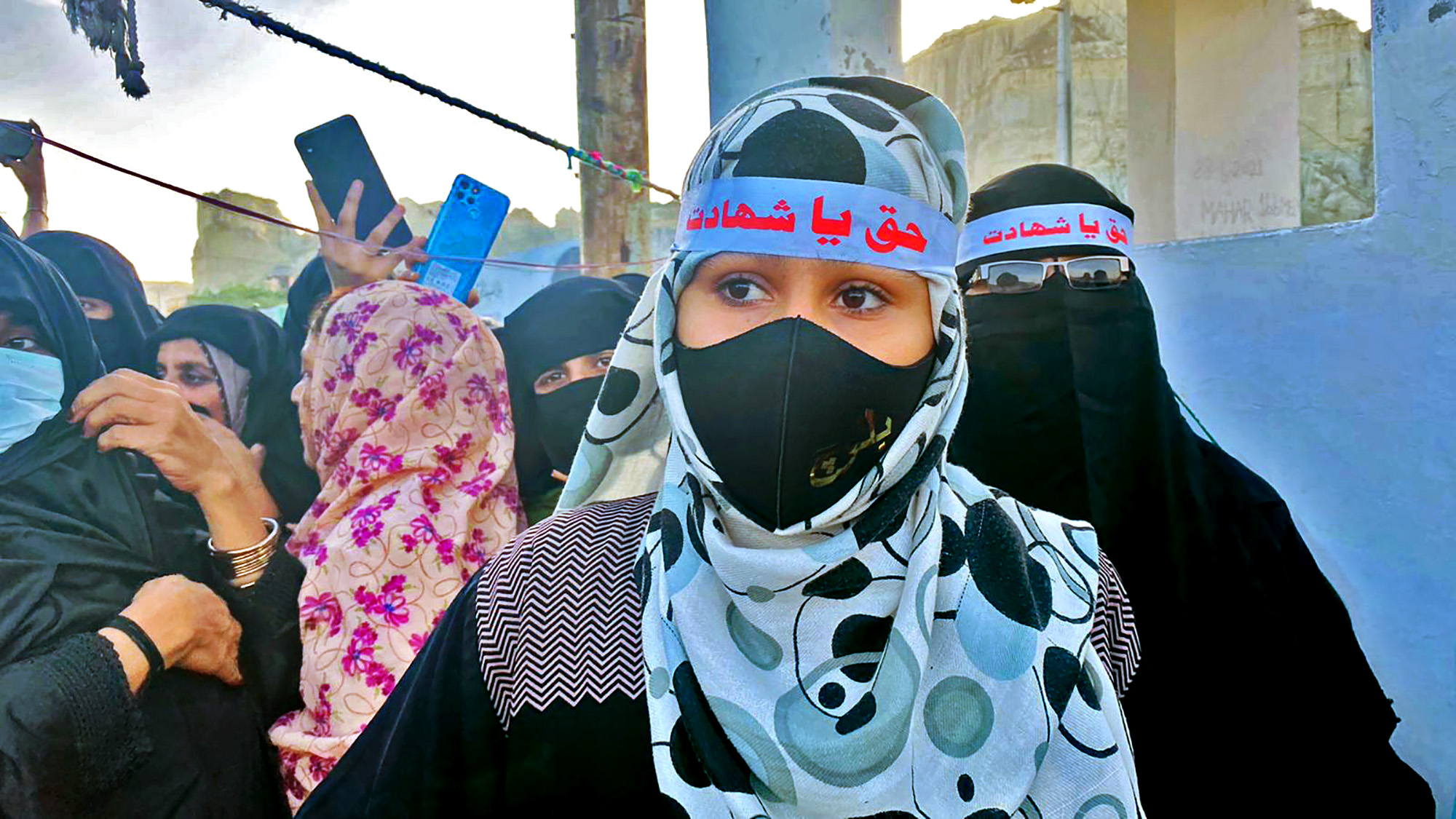
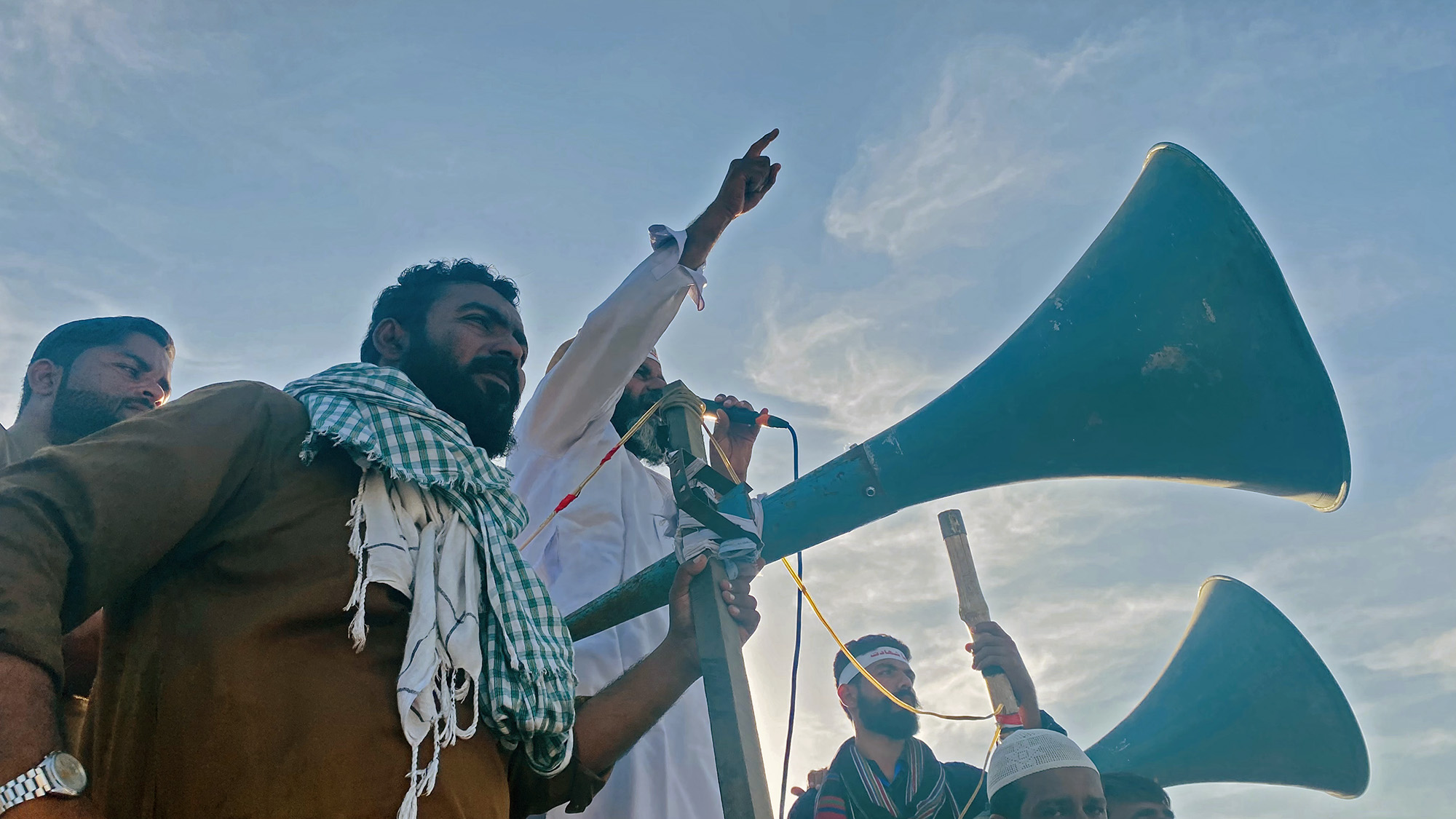
GWADAR: Thousands of male protesters occupied a major thoroughfare along the coastline in Pakistan’s Gwadar port city on Friday while hundreds of women arranged a sit-in a few kilometers away as part of a protest movement for rights that started last month.
Gwadar is in Pakistan’s impoverished southwestern province of Balochistan, a sparsely populated, mountainous, desert region bordering Afghanistan and Iran. China is involved in the development of the Gwadar port on the Arabian Sea as part of a $60 billion China-Pakistan Economic Corridor, which is itself part of China's Belt and Road infrastructure project.
But locals of the city have long complained that Chinese presence and investment in the area has done little to improve their lives, particularly with regards to water scarcity and jobs. Protests against the lack of basic facilities have gone since November under the banner of “Give Gwadar its Rights,” with thousands of women and children also joining the demonstrations in an unprecedented development.
The protesters main demands include the provision of basic health and educational facilities, action against illegal trawling, the abolishment of a token system at the Pakistan-Iran border, removal of security check posts in the city and an end to narcotics smuggling.
“We are living in a big jail where we are humiliated in the name of security checking,” protest leader Maulana Hidayat-ur-Rehman, Balochistan's general secretary for the Jamaat-i-Islami political party, told Arab News after addressing a rally at Gwadar Marine Drive.
“We don’t need anything from CPEC. All we want from our government is to stop snatching our sources of livelihood which is being done by allowing illegal trawling and strict border management.”
He said police tried to arrest him on Thursday night after a case was lodged against him and Yousuf Masti Khan, a Baloch leader from Karachi, who was taken into custody from a local hotel but released on Friday after getting bail from a local court.
“The provincial administration of Balochistan will not be able to control the situation if I am arrested,” Rehman said, adding that the protest would continue even if he was detained. “The government is not honoring its commitments. Illegal trawling is still going on while the border situation has not improved either.”
Earlier this week, Balochistan planning minster Zahoor Ahmed Buledi told Arab News authorities had agreed to meet most of the demands presented by the demonstrators.
“They presented twelve demands, four of them were major while others were minor,” he said. “There has been progress on almost all the twelve demands: Trawling has decreased in the sea to a great extent, the border trade management system has improved and the issue of check posts has been largely addressed.”
Rehman, however, said the sit-in would continue: “We, as Pakistan’s citizens, have rights which we are not going to leave.”
Speaking to Arab News, Abid Qamar, a youth resident of Gwadar who brings petrol from the Pakistan-Iran border areas to sell in other districts of the region, said his family’s survival had become difficult because of a token system on the frontier that only benefited "influentials."
“We have been in this line of work for at least three generations,” he said. “Now I spend 20 to 25 days in the mountains without much food. Even then there is no guarantee that I will get the token to benefit from border trade since these tokens are only given to influential people.”
Qamar said he had joined the rally because of the deteriorating financial condition of his family.
Asked about the participation of women at the sit-in, Fatima Raza, a student, said Gwadar’s female residents understood the importance of fighting for their basic rights.
“My father and brother are marching on the road and I have taken their place over here,” she told Arab News. “We have the right to earn our livelihood, but it is increasing becoming difficult to do that because of the illegal trawling.”
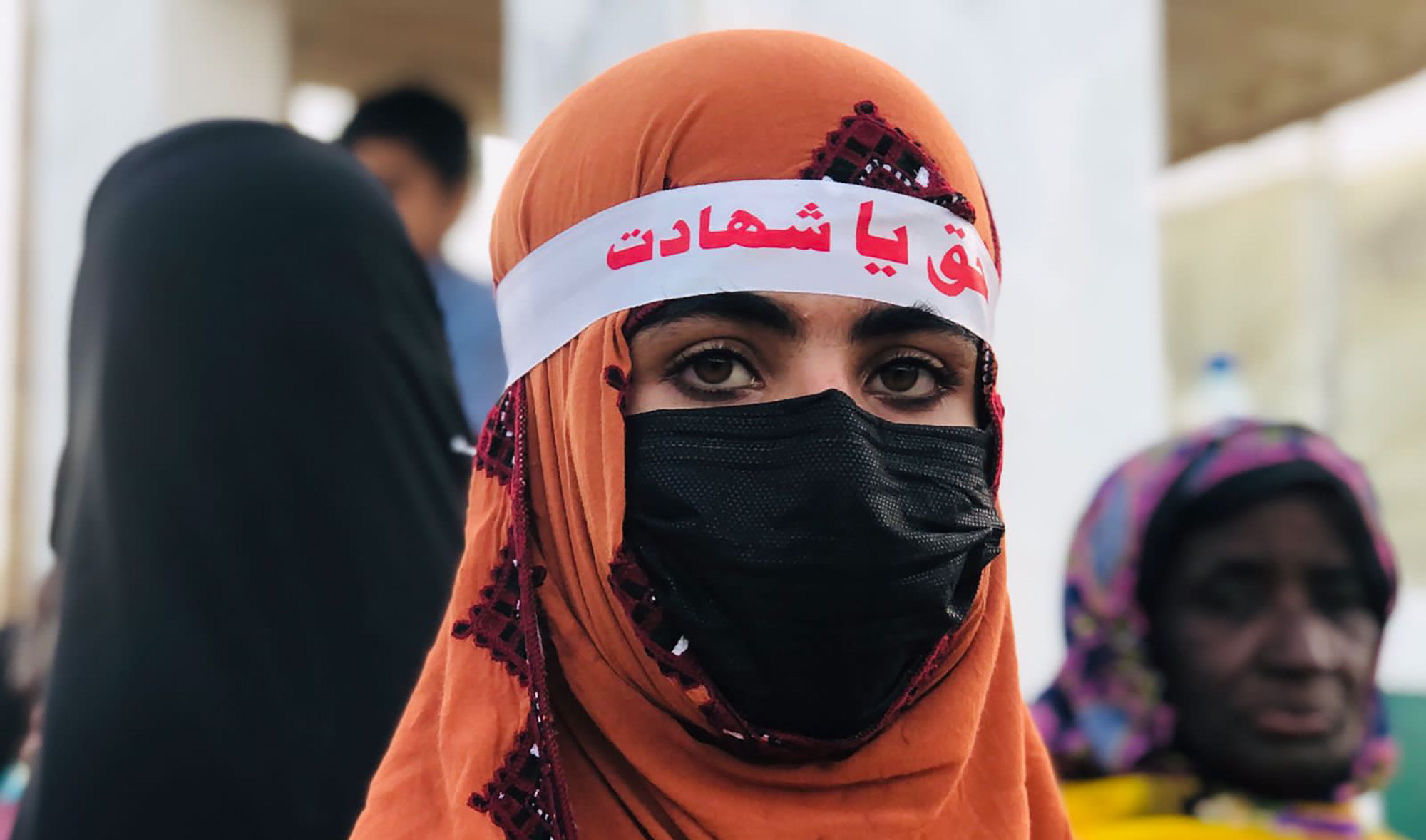
Teenager Mahnoor Baloch added: “This protest matters to everyone since it is about our rights.”
Last month China said it was willing to work with Pakistan to ensure its projects delivered benefits for Gwadar locals.
Speaking at a weekly press briefing on November 29, Foreign Ministry Spokesperson Wang Wenbin said CPEC had long focused on “people’s livelihood and well-being and [on] benefiting the local people.”
“China is ready to work with Pakistan to advance the high-quality development of CPEC so as to deliver more benefits to the local people,” he said. “The Gwadar Port, a leading project of CPEC, focuses on development and people’s livelihood.”
Wang said the China-Pakistan Gwadar Faqeer Middle School, a vocational training institute in Gwadar and the China-Pakistan Fraternity Emergency Care Center in Gwadar, which had been completed, had “played important roles in and made China’s contributions to creating education opportunities, improving employment skills and responding to COVID-19 for the benefit of the local people.”
He reiterated that China was ready to work with Pakistan to “jointly advance high-quality development of CPEC, build and operate all CPEC projects including the Gwadar Port well, play a more positive part in improving people’s livelihood in both countries, and build an even closer China-Pakistan community with a shared future in the new era.”