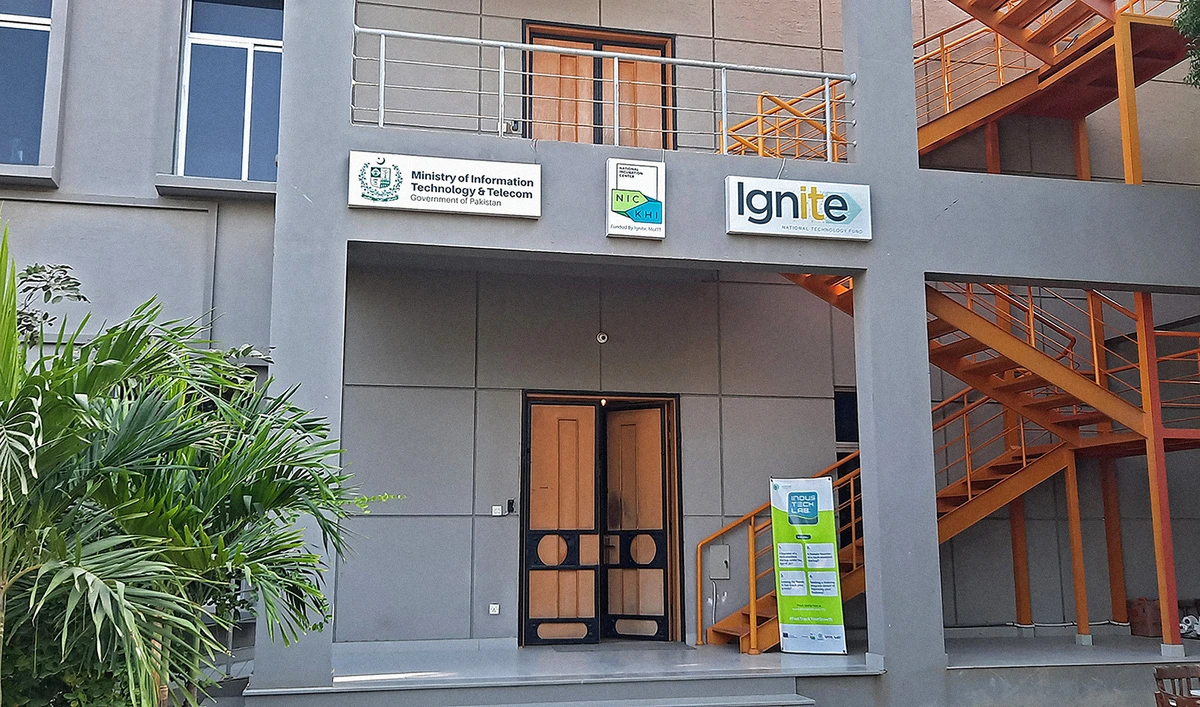
- A senior Pakistani official says the country is likely to witness the emergence of a startup firm that is valued at $1 billion or more
- Local startups received $320 million in the last 10 months, with 90 to 95 percent investment coming from abroad
KARACHI: Pakistan is likely to witness the emergence of its first “unicorn,” a startup company valued at $1 billion or more, after newly established technology solutions providers in the country attracted record investments during the course of the year, said a senior Pakistani official on Monday.
There was a significant rise in the number of startup firms in Pakistan recently that amassed over $300 million of funding from overseas investors, including venture capitalists.
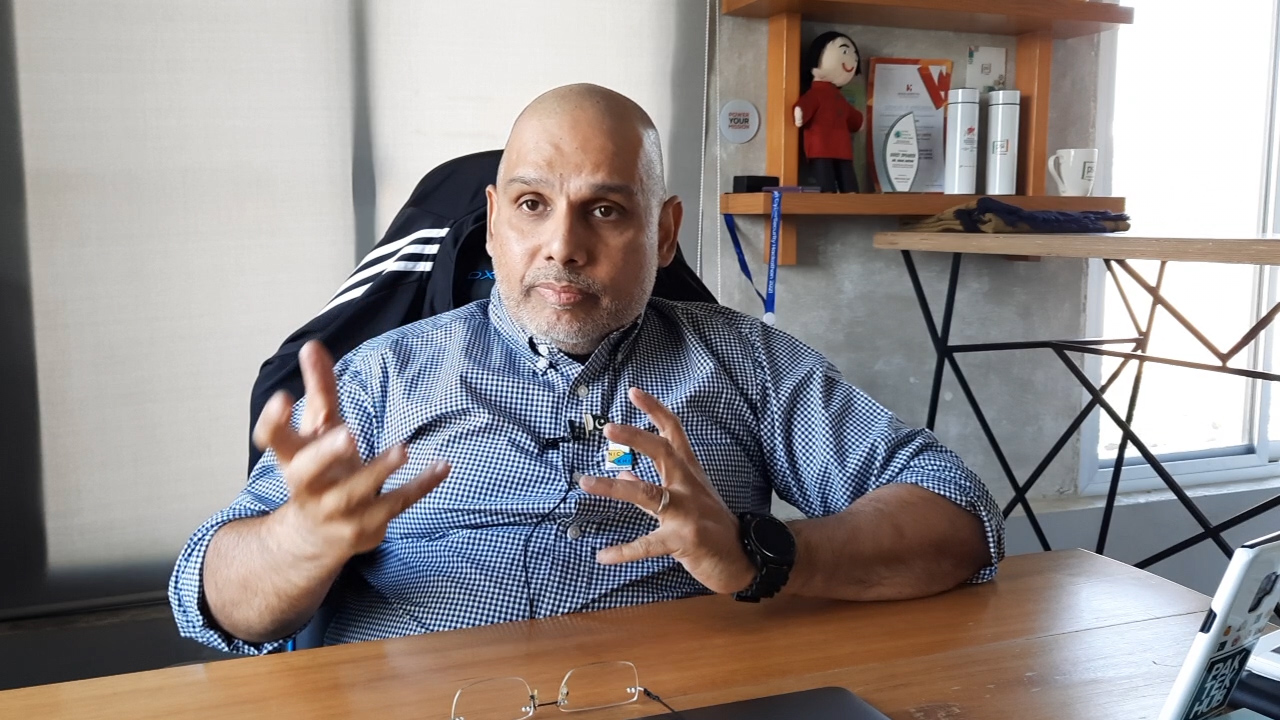
“The startup ecosystem is on fire in Pakistan with huge amount of investment coming to the country from abroad,” Omar Abedin, director of National Incubation Center, Karachi, which is part of the country’s information technology ministry, told Arab News in an exclusive interview. “Pakistan’s startups have received $320 million in the last 10 months with 90 to 95 percent investment coming from abroad.”
“The trend, in my view, is just beginning,” he continued. “Within the next few months, we will see the first unicorn coming out of Pakistan.”
He added such an instance would also be an indication for the global investment community to take Pakistan more seriously.
Abedin maintained that Lahore-based Airlift, a Pakistani tech startup operating in logistics and quick commerce, and Karachi-based transportation, logistics and cash on delivery payments platform, Bykea, could easily become the country’s first unicorns.
“I think Airlift is going to be the first to break the unicorn barrier,” he said. “It has a team that is very practical and really building something. I honestly believe it will become Pakistan’s first unicorn, though it will be followed by several other firms.”
The estimated value of Airlift is over $300 million, following the $85 million funding round which closed in August.
It was also the largest single private funding round in the history of Pakistan.
“I am also keeping my fingers crossed for Bykea,” he said while mentioning the logistical and transportation company that benefited from his incubation center before spreading its operations in major Pakistani cities.
“It is time to make global investors write big cheques,” he continued, adding: “The biggest challenge global investors face is that most Pakistani startups only require a few hundred thousand dollars while big venture capital firms do not write such small cheques.”
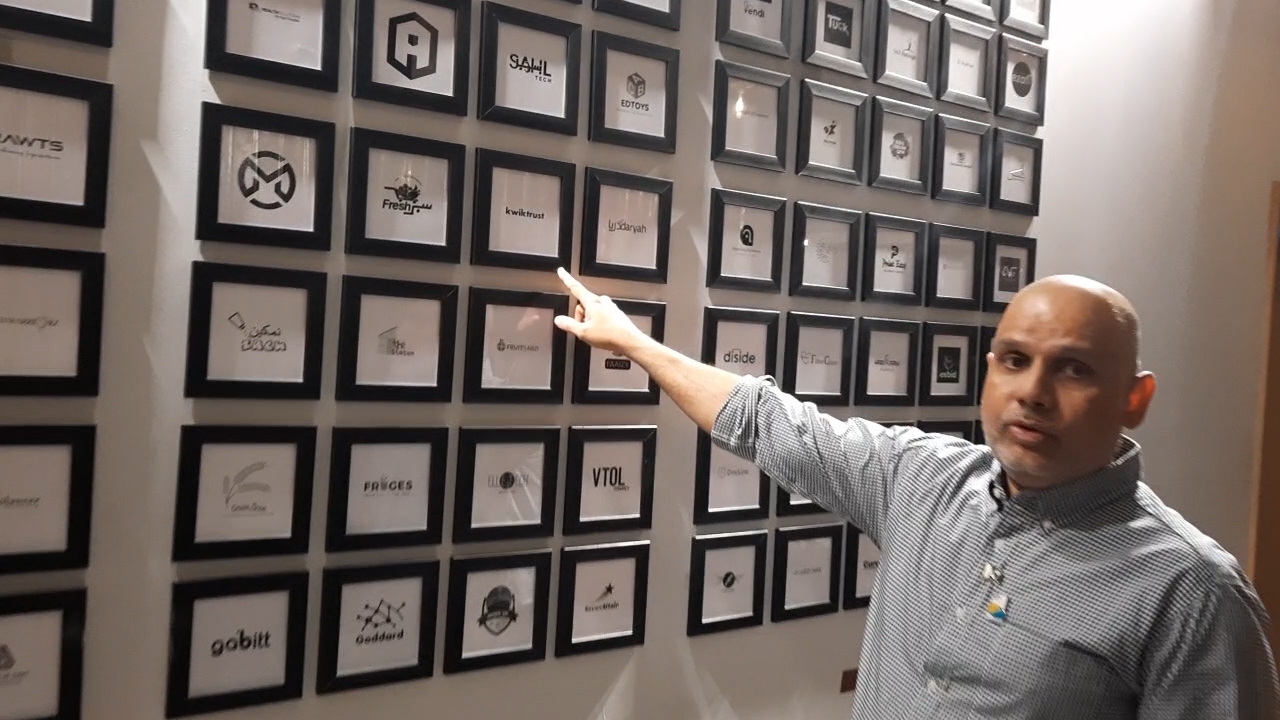
Abedin maintained Pakistan was now witnessing a rise of startups which were much bigger in value and, therefore, more attractive to foreign investors looking for higher returns.
He added Pakistan could produce more unicorns by following in the footsteps of the United Arab Emirates and Saudi Arabia.
The UAE earlier this month announced its target to become home to 20 unicorns by 2031 and decided to set up $272 million private equity fund for lending to small and medium enterprises from the first quarter of 2022.
“They will do it because they have made life easier for startups and now every startup is thinking about setting up its office in the UAE or go to Saudi Arabia next door,” Abedin said.
He said Pakistan became an attractive destination for foreign funding after it managed to address the security deficit. Apart from that, global investors realized the incredible amount of talent available in the country which has a young and tech savvy population and over 100 million internet users.
Asked about the challenges faced by Pakistani startups, he said it was not easy to bring money from abroad. Besides, dealing with tax agencies posed another challenge to these companies.
“There are many creative ideas in fintech and e-commerce which are difficult to implement because the regulatory regime is slow. People to wait for years to get approvals before moving from the pilot to the final consumer stage,” he said.
However, he added there were also some improvements in the regulatory framework of the country which could make it easier to set up such companies, bring investment from abroad and repatriate profits.