KHARTOUM: Sudan’s Prime Minister Abdalla Hamdok said on Monday that maintaining the economic gains from the past two years was among the reasons he had decided to return to his post, under a deal with the military nearly a month after he was removed in a coup.
In an interview at the Khartoum residence where he had been held under house arrest following the Oct. 25 military takeover, Hamdok said he believed a technocratic government he is expected to appoint would have a chance to improve living standards.
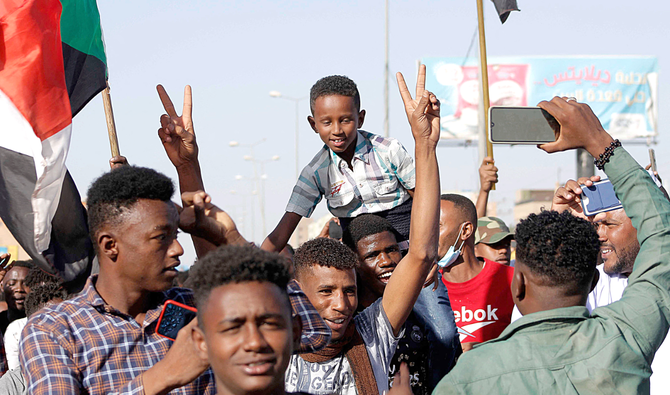
Prominent political parties and Sudan’s powerful protest movement have opposed Hamdok’s decision to sign the agreement with the military on Sunday, with some calling it a betrayal or saying it provided political cover for the coup.
“Among the reasons for my return is preserving the economic gains and the economic opening to the world,” Hamdok said.
Since Hamdok was first appointed prime minister in 2019 under a power sharing deal following the overthrow of Omar Bashir, Sudan has carried out economic reforms including the lifting of fuel subsidies and a managed float of its currency.
The reforms, monitored by the International Monetary Fund, won Sudan approval for forgiveness on much of its more than $50 billion in foreign debt — a deal that was thrown into doubt by the coup.
The World Bank and some bilateral donors paused badly needed economic assistance after the military takeover.
“We will continue our contacts with international financial institutions, and the new budget that will begin in January will proceed on the path of economic reform and open the do or to investment in Sudan,” Hamdok said.
The civilian coalition that had been sharing power with the military before the coup and its former ministers said they rejected the agreement, citing a violent crackdown on anti-military protests over the past month.
But Hamdok said a new, technocratic government could help improve Sudan’s economy, which has suffered a prolonged crisis involving one of the world’s highest rates of inflation and shortages of basic goods.
It could also work toward completing a peace deal signed with some rebel groups last year to end years of internal conflict, Hamdok said.
“Implementing the Juba agreement and completing the peace processes with groups that did not sign the Juba agreement are at the top of the new government’s agenda,” he said.
After the deal between the military and Hamdok was announced on Sunday, protesters who had previously championed Hamdok began shouting slogans against him. Hamdok said he signed it to prevent further bloodshed.
“We are committed to the democratic path, freedom of expression and peaceful assembly and greater opening to the world,” he said on Monday.