


RIYADH: The US and European powers told Gulf countries on Thursday that they were determined to address Iran’s destabilizing activities in the region.
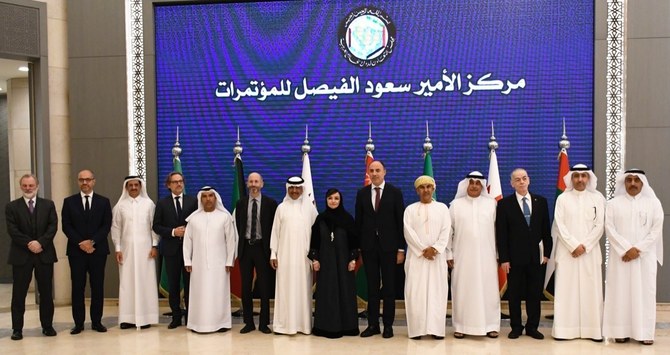
The comments came during talks in Riyadh between officials from France, Germany, the UK and GCC countries, along with US Special Envoy for Iran Robert Malley. Jordan and Egypt were also represented.
Malley and the Europeans condemned Iran’s “destabilizing activities in the region, including the use and transfer of ballistic missiles and UAVs (drones) that have led to attacks against regional partners,” a State Department spokesperson said.
Saudi Arabia is attacked regularly with explosive drones and missiles fired across the border from Yemen by the Iran-backed Houthi militia.
The talks also focused on upcoming talks with Iran over rebooting the 2015 deal to curb Tehran’s nuclear ambitions. Iran has repeatedly breached the terms of the deal with world powers after Donald Trump withdrew the US from the accord in 2017.
“Representatives of the E3 (Germany France, UK) and the United States reiterated the importance – for Europe, the United States, the region and beyond – of quickly reaching and implementing a negotiated solution to that end and of ensuring that Iran’s nuclear program is exclusively for peaceful purposes,” the statement said.
A day earlier, US and Gulf officials convened their Working Group on Iran, during which they said Iran’s nuclear program was of “grave concern.”
The group said Iran’s continued enrichment of uranium to quantities and purity higher than those stated in the JCPOA had no civilian need but would be “important to a nuclear weapons program.”
The group condemned a “range of aggressive and dangerous Iranian policies, including the proliferation and direct use of advanced ballistic missiles and Unmanned Aircraft Systems (UAS).”
“These weapons have been used by Iran or its proxies in hundreds of attacks against civilians and critical infrastructure in Saudi Arabia and civilian merchant seamen in international waters of the Sea of Oman, and endangered American troops combatting ISIS (Daesh),” the group said.


